Staff in the Department of Educational Studies
In this section
Staff list
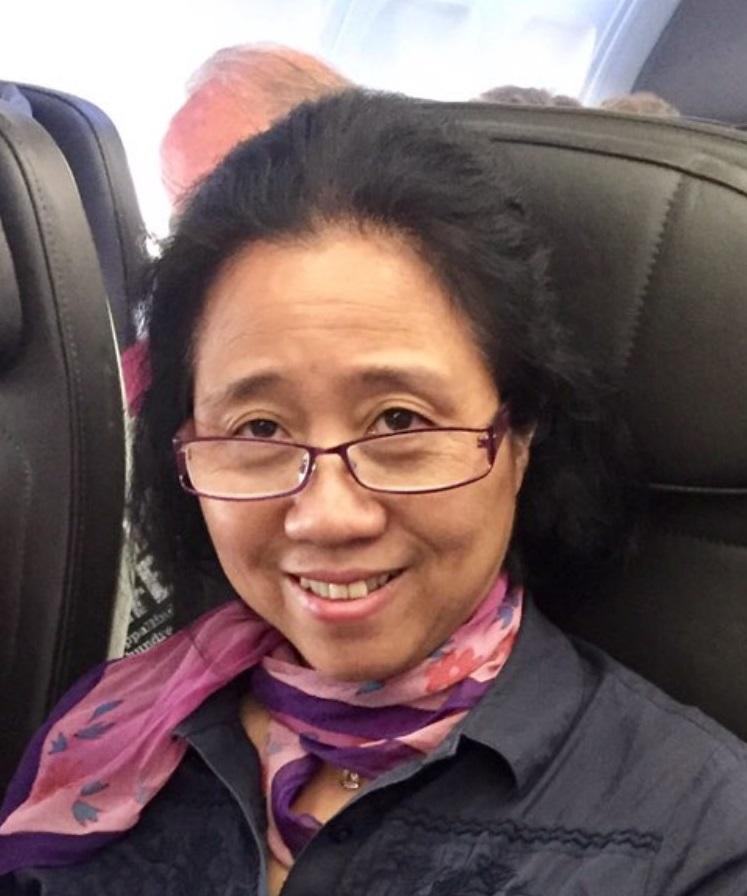
Dr Yangguang Chen
y.chen (@gold.ac.uk)
Yangguang researches into the field of educational bilingualism, focussing on implications of educational policy.
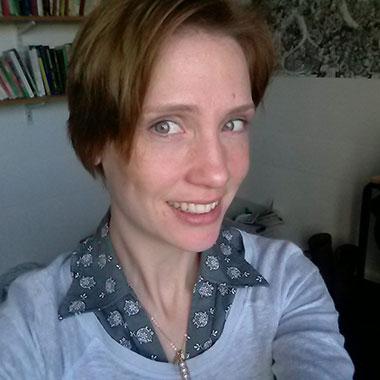
Dr Sheryl Clark
sheryl.clark (@gold.ac.uk)
Sheryl's research focuses on girlhood, sport, physical culture, youth, schooling and identities.
.jpg)
Dr Emily Corbett
e.corbett (@gold.ac.uk)
Emily is a specialist in children's and YA literature, with particular interest in twenty-first-century fiction.
Una Coyne
u.coyne (@gold.ac.uk)
Una currently teaches on both the Primary PGCE and BA Education, Culture and Society courses.
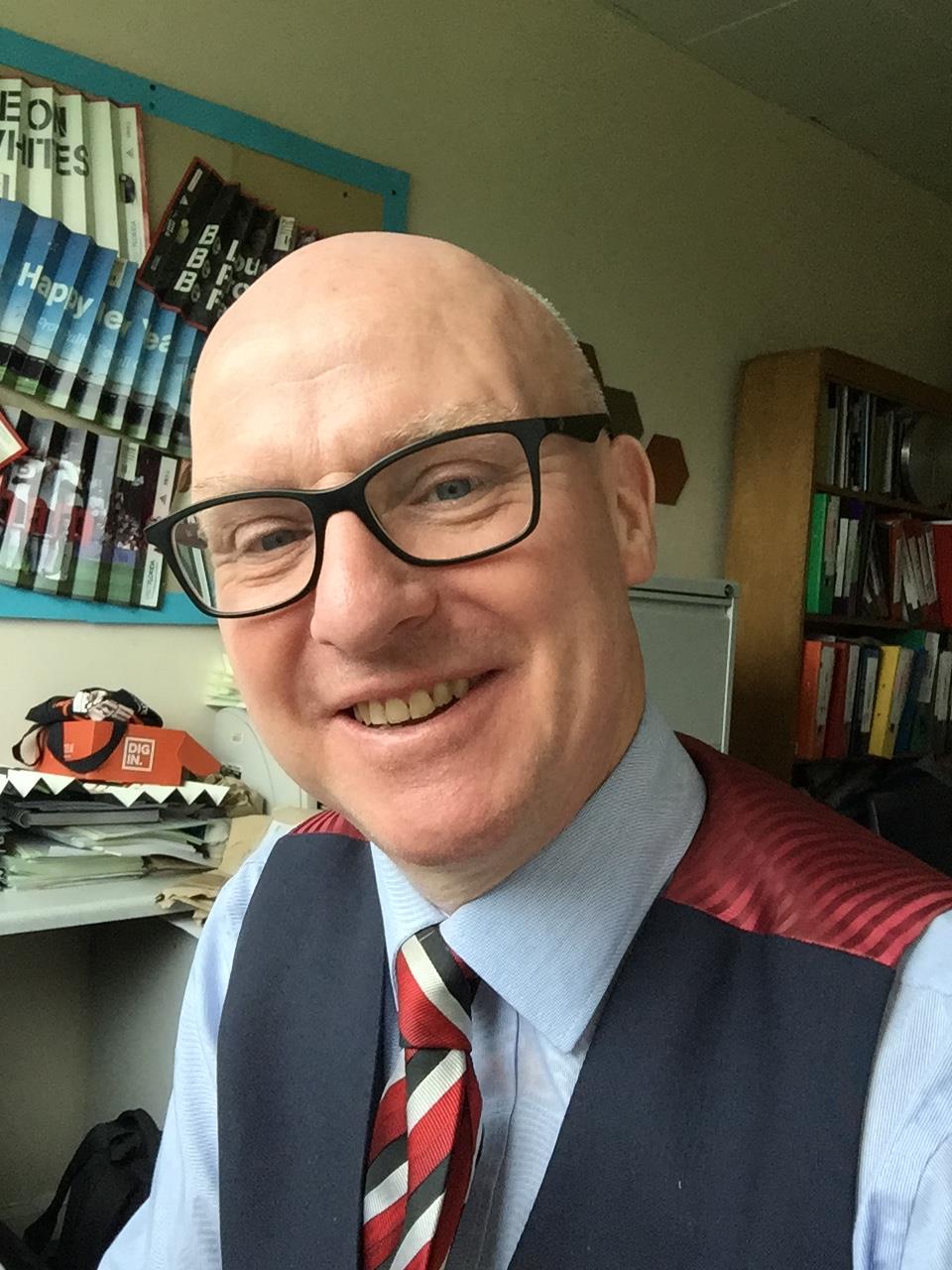
Dave Dennis
d.dennis (@gold.ac.uk)
Dave is the Course Coordinator for the Secondary Science PGCE having been a classroom practitioner for 32 years.

Sue Dixon
s.j.dixon (@gold.ac.uk)
Sue has an interest in Eating Disorders particularly the role of self help support groups in supporting recovery
Kimberley Foster
Kimberley.Foster (@gold.ac.uk)
Kimberley is an artist and researcher whose work focusses on pedagogical approaches to art practice in the art museum.
Dr Yael Gerson
y.gerson (@gold.ac.uk)
Dr Francis Gilbert
f.gilbert (@gold.ac.uk)
Francis approaches Creative and Life Writing from an educational perspective to understand how it is taught.
Anna Grant
Anna.Grant (@gold.ac.uk)
Anna works on the Primary PGCE and Education, Culture and Society, specialising in Maths and Children’s Literature.

Victoria Hedlund
victoria.hedlund (@gold.ac.uk)
Dr Julia Hope
j.hope (@gold.ac.uk)
Julia’s research interests are in children’s literature, refugee education and children’s literature about refugees.
Dr Aminul Hoque
a.hoque (@gold.ac.uk)
Aminul's work focusses on issues of multicultural Britain, youth policy, religion, race relations and Islamic feminism.
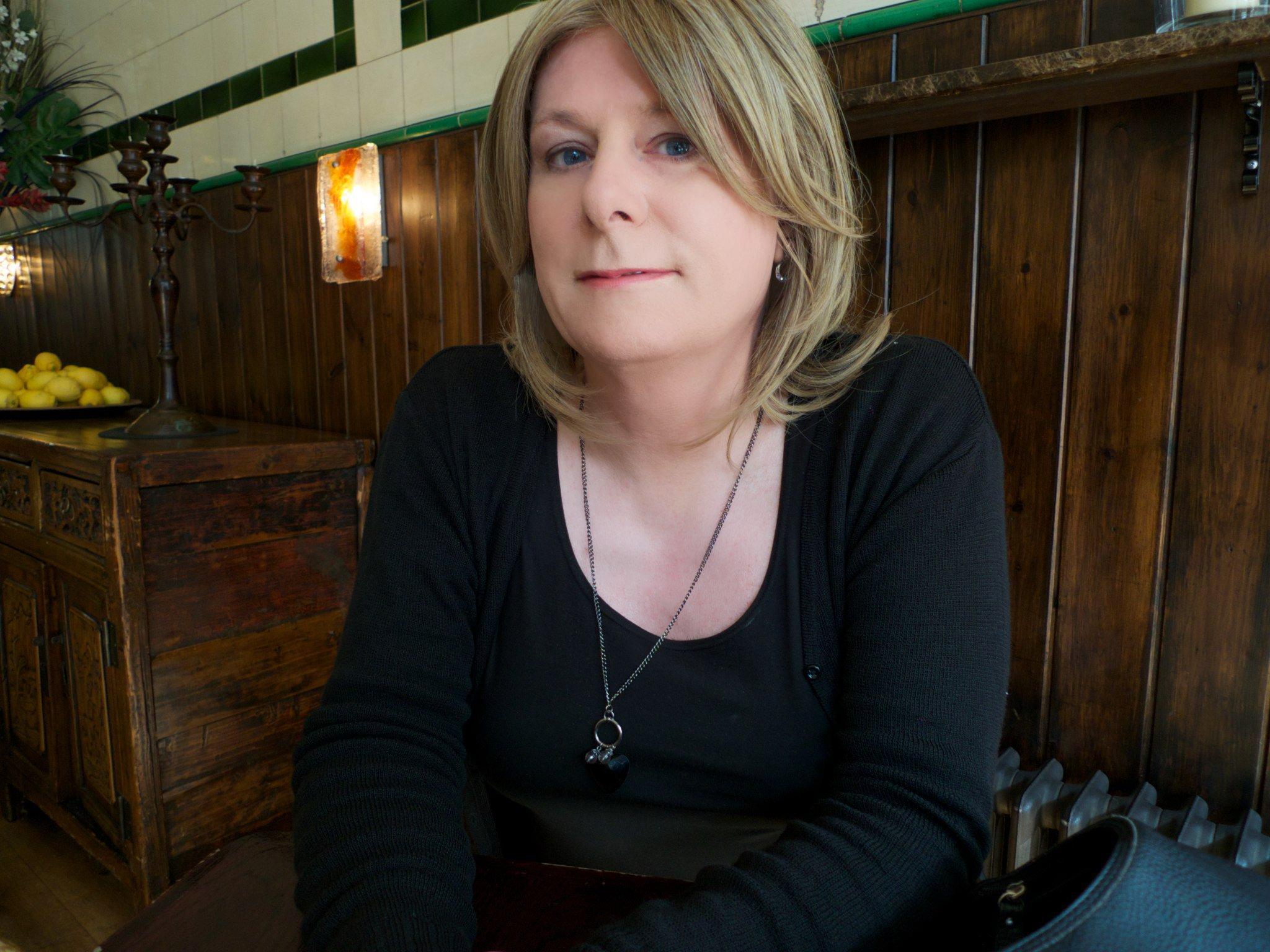
Dr Natacha Kennedy
n.kennedy (@gold.ac.uk)
Amanda Kipling
a.kipling (@gold.ac.uk)
Amanda researches the healing nature of the arts in schools, which forms the basis of her doctoral study.
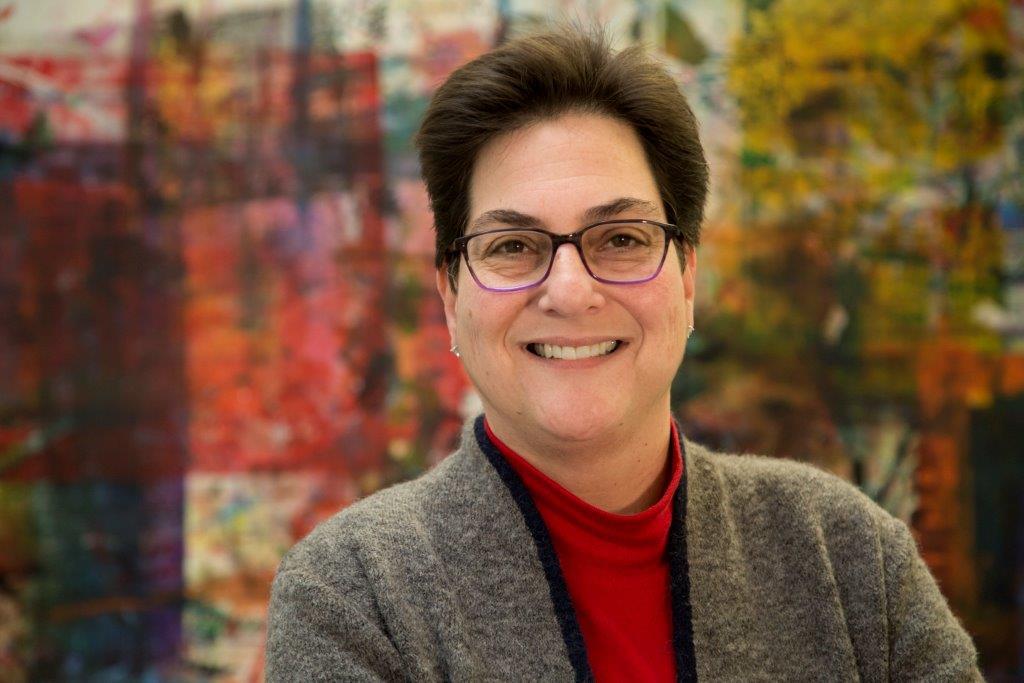
Dr Vally Lytra
v.lytra (@gold.ac.uk)
Vally investigates multilingualism in society and language education in migration and minority contexts
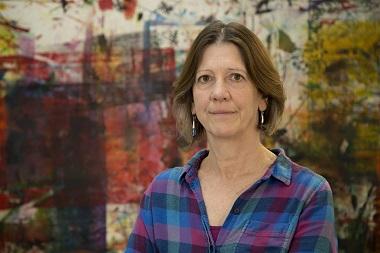
Professor Vicky Macleroy
v.macleroy (@gold.ac.uk)
Vicky’s expertise is in language and literacy with a strong focus on creative practices and digital technologies.
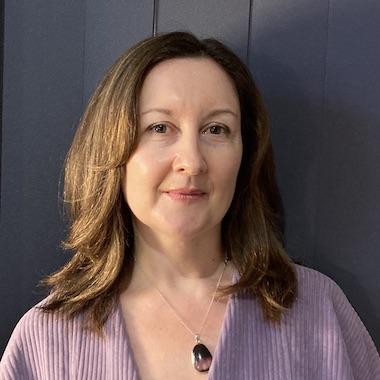
Dr Miranda Matthews
m.matthews (@gold.ac.uk)
Dr. Miranda Matthews is Associate Head of School for Student Experience in Professional Studies Science and Technology
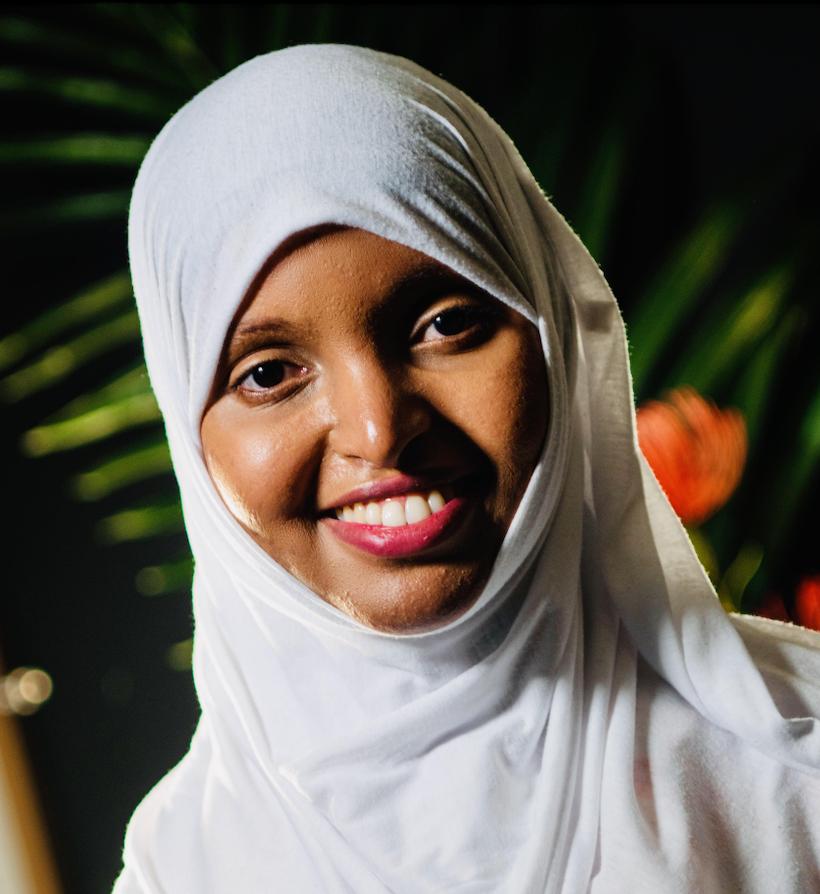
Dr Khadija Mohamud
K.Mohamud (@gold.ac.uk)
Khadija's expertise is in digital technologies for development and education in Sub-Saharan Africa

Dr Chris Millora
c.millora (@gold.ac.uk)
Chris researches the links between youth learning/literacies and social justice, particularly in Global South contexts.
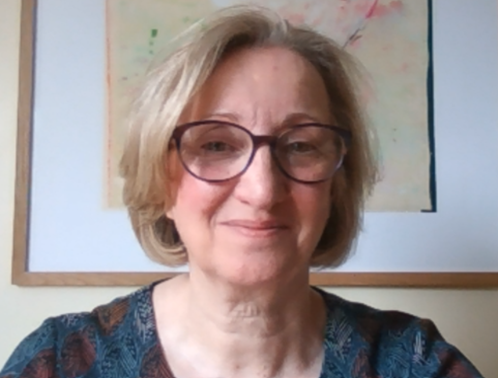
Dr Liz Morrison
l.morrison (@gold.ac.uk)
Liz is Head of the Secondary PGCE programme and teaches Secondary Science.
Dr Sipho Morrison
s.morrison (@gold.ac.uk)
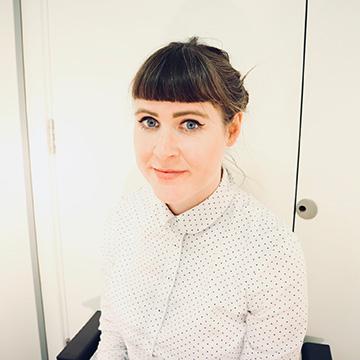
Kerry Murphy
k.murphy (@gold.ac.uk)
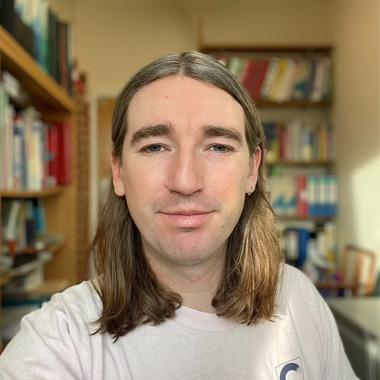
George Nicholls
g.nicholls (@gold.ac.uk)
George is a Lecturer on the PGCE Primary programme teaching Science and Music.

Professor Tara Page
t.page (@gold.ac.uk)
Tara explores making and learning with new materialist theories using practice and empirical methods and methodologies.
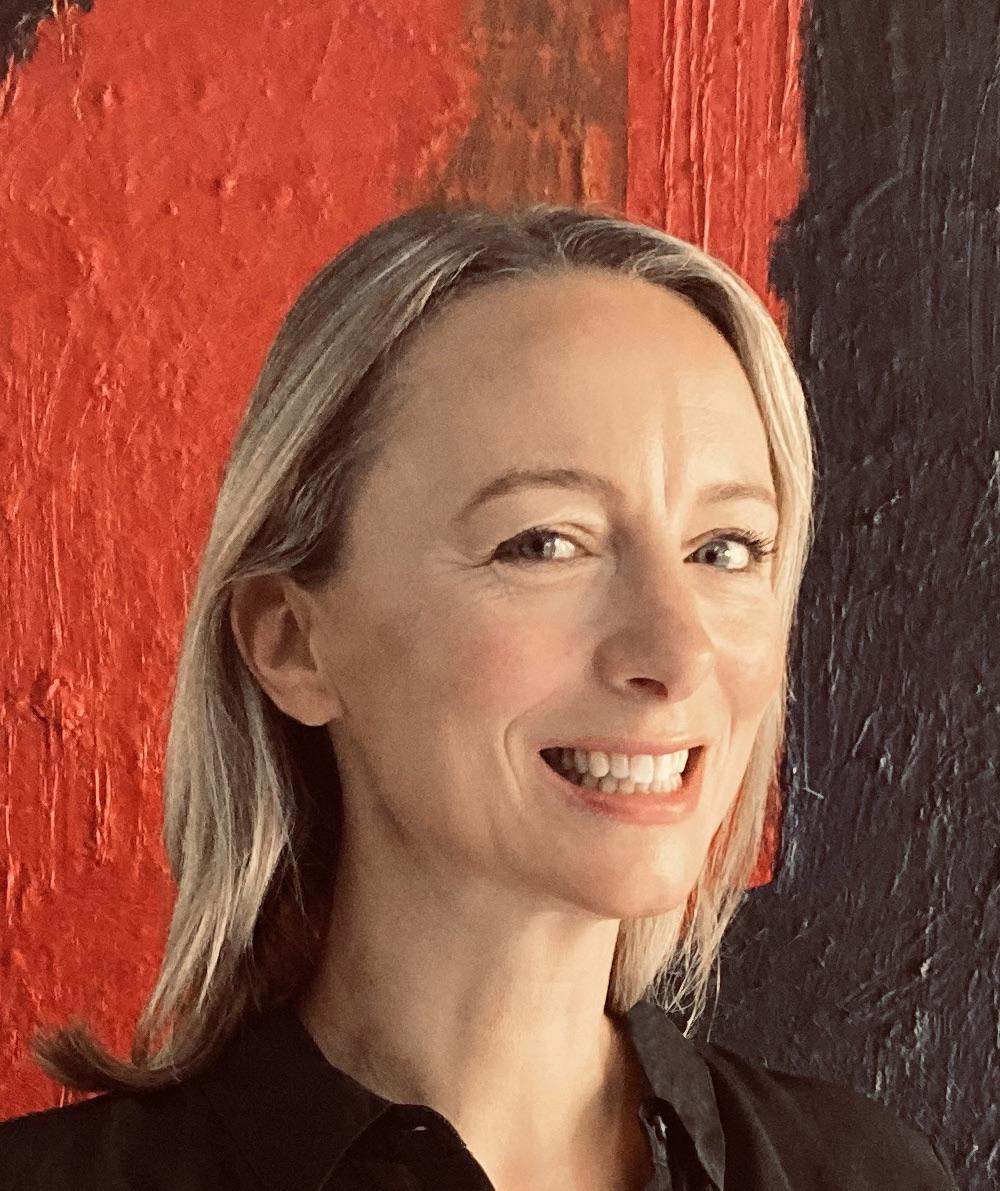
Dr Sarah Pearce
s.pearce (@gold.ac.uk)
Sarah looks at how white teachers understand their racialised positioning and how this impacts on their work.
Jez Pinfold
J.Pinfold (@gold.ac.uk)
Jez is the Course Coordinator for the Secondary English PGCE having been a classroom practitioner for 25 years.
Dr Veronica Poku
v.poku (@gold.ac.uk)
Veronica specialises in the impact of racism on minoritised teacher trainees and children in primary schools.
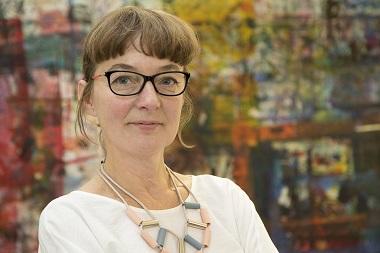
Dr Cristina Ros i Solé
cristina.ros (@gold.ac.uk)
Cristina carries out research into embodied approaches to language learning and interculturality
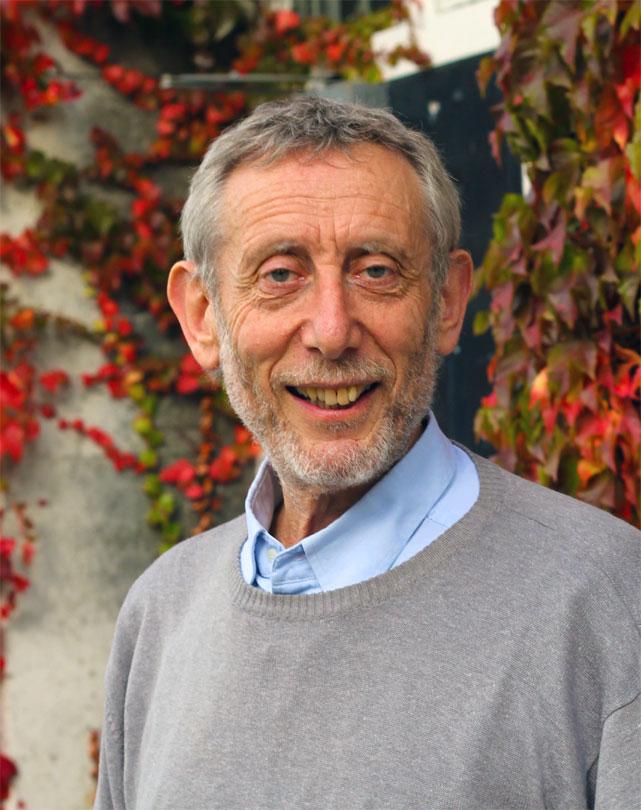
Professor Michael Rosen
(@gold.ac.uk)
Poet and children’s author, Michael’s research areas include processes of naming and the poetics of everyday speech.
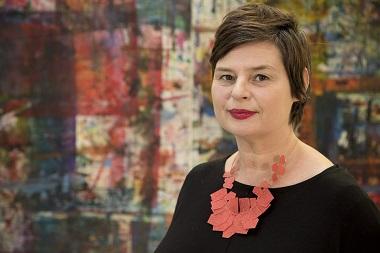
Vicki Ryf
V.Ryf (@gold.ac.uk)
Vicki’s research interests centre on creativity and English teaching in the Early years and primary classroom.
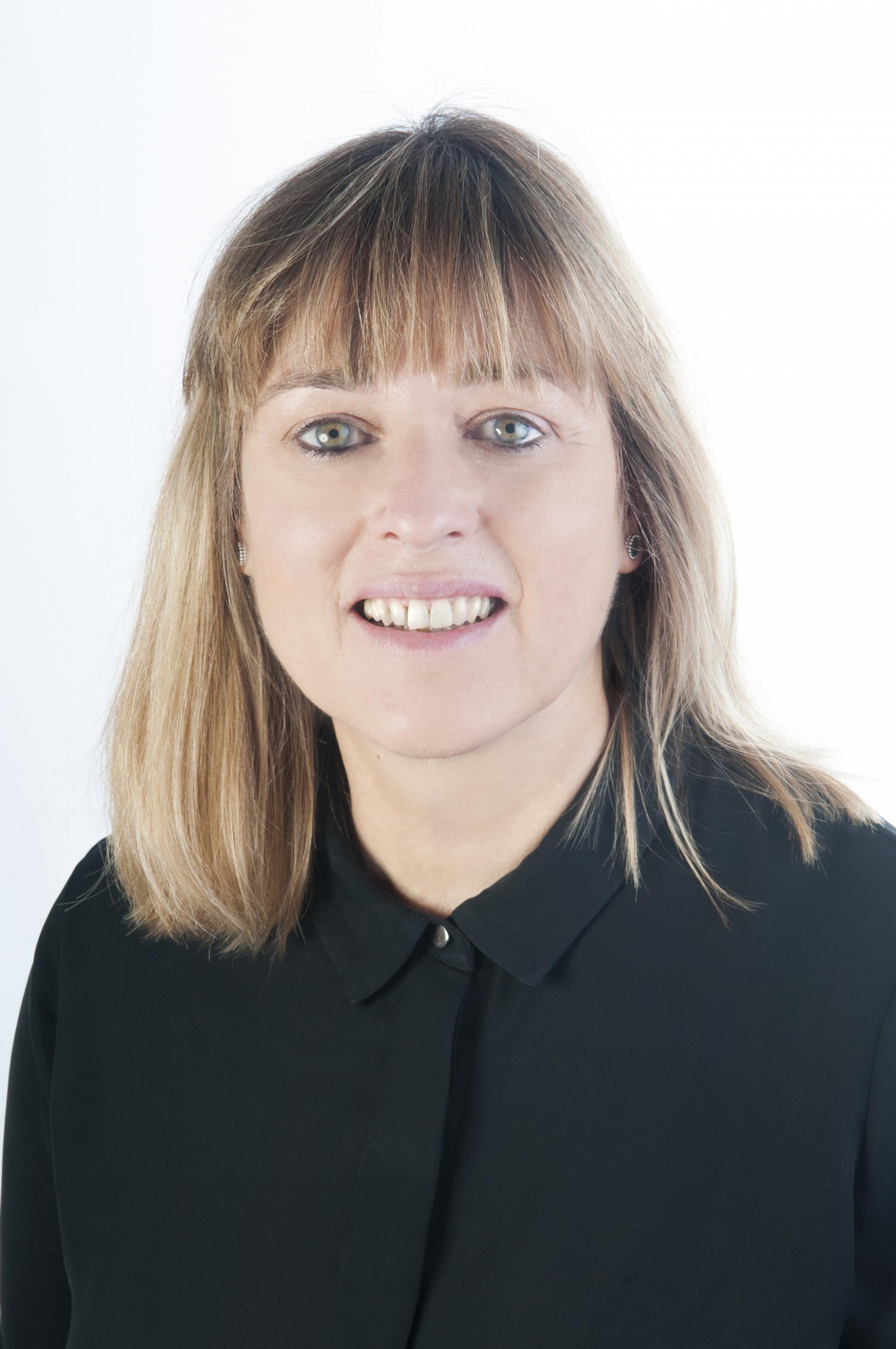
Susi Sahmland
S.Sahmland (@gold.ac.uk)
A teacher of German, Spanish and French, Susi’s interests are in primary languages, bi-lingual learners and coaching.
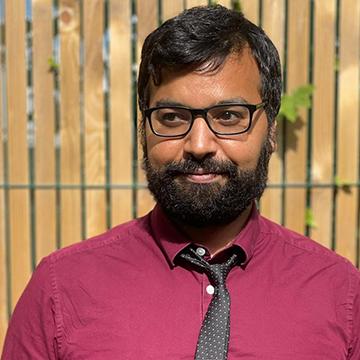
Faris Sanhaji
faris.sanhaji (@gold.ac.uk)
Faris is the Joint Coordinator of the PGCE Secondary Modern Languages Programme
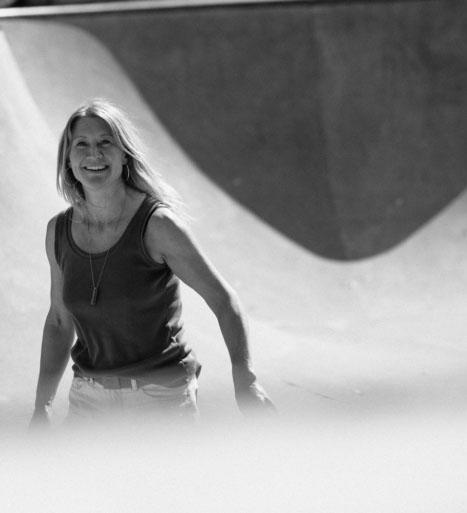
Dr Esther Sayers
esther.sayers (@gold.ac.uk)
Learning and participation in the arts, culture and sport, with a particular focus on equity and inclusion.
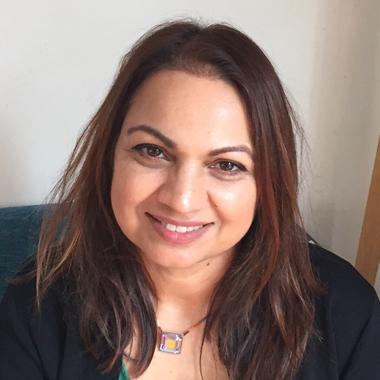
Professor Farzana Shain
F.Shain (@gold.ac.uk)
Farzana is a sociologist of education. She specialises in educational inequalities and education policy and politics.
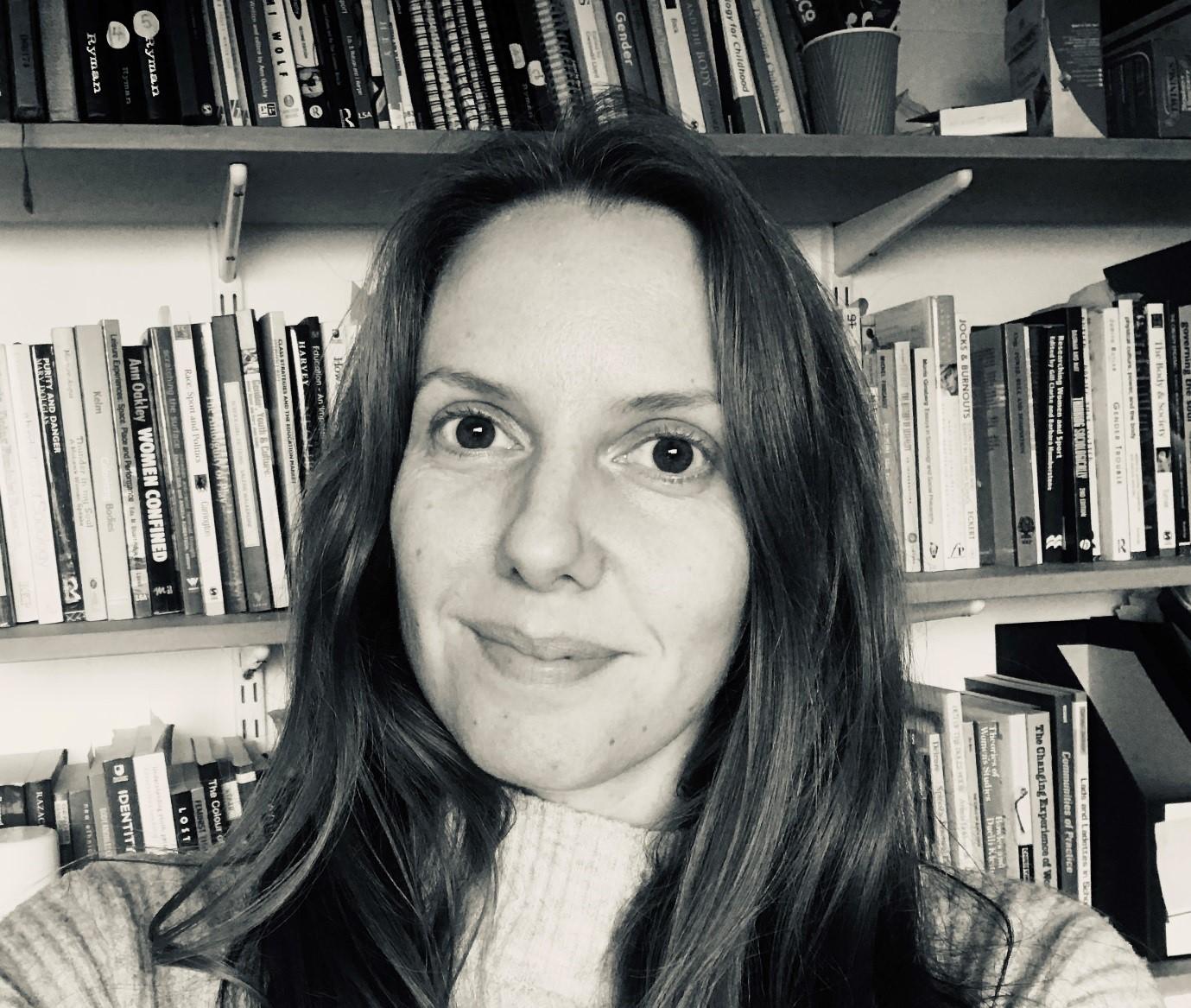
Camilla Stanger
c.stanger (@gold.ac.uk)
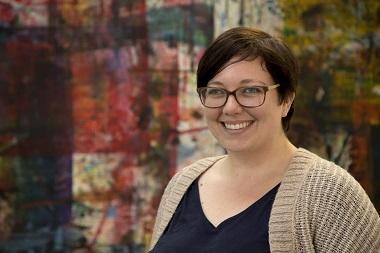
Laura Teague
l.teague (@gold.ac.uk)
Laura’s current research focusses on pedagogy, counter politics and subjectivities.
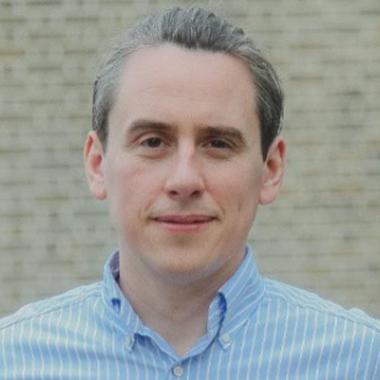
James Titley
j.titley (@gold.ac.uk)
An experienced KS1 and KS2 teacher, James has interests in coaching and mentoring, social class, social identities.
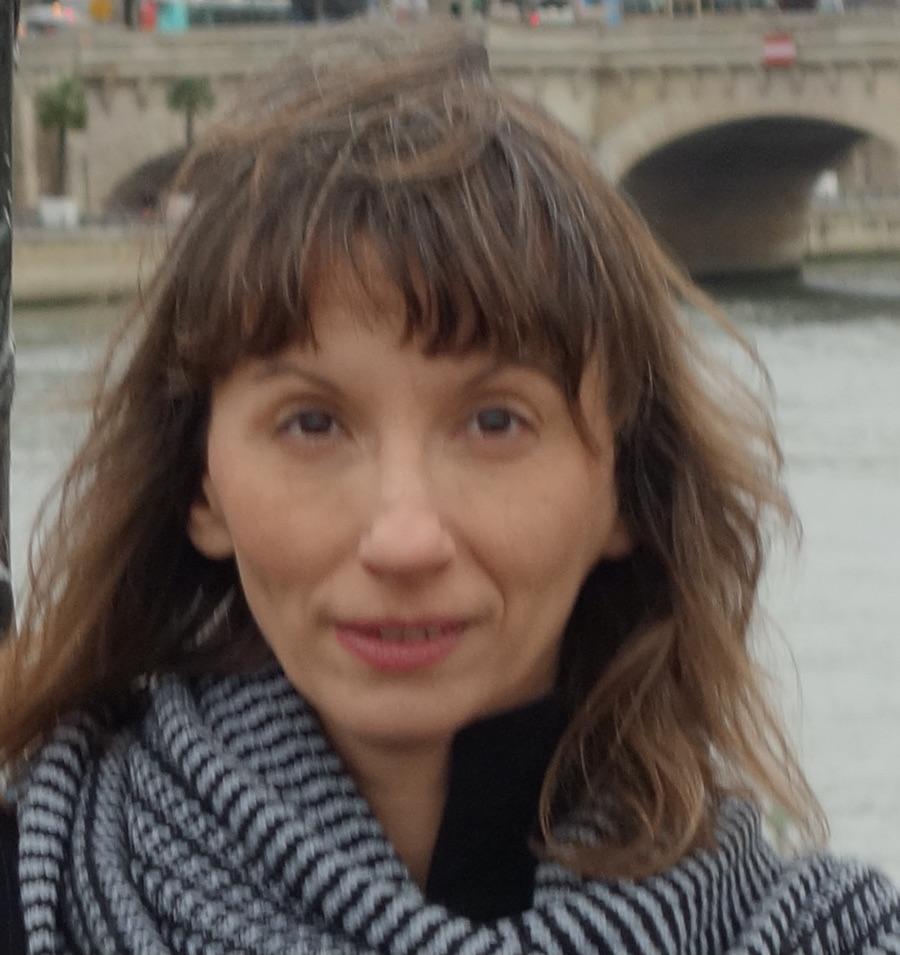
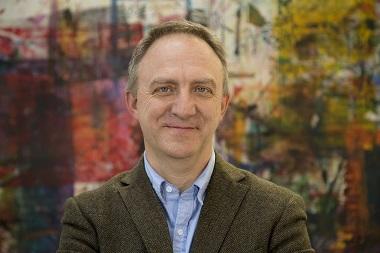
Neil Walton
n.walton (@gold.ac.uk)
Neil is currently working on how Robert Brandom's inferentialism can be applied in art and design education.

Dr Andrew Wilkins
Andrew.Wilkins (@gold.ac.uk)
Andrew Wilkins is a policy sociologist interested in education policy, comparative education and education governance.
Martin Williams
m.williams (@gold.ac.uk)
Martin teaches on the BA Social and Cultural Studies programme.

Dr Thomas Zacharias
t.zacharias (@gold.ac.uk)
Thomas researches into ‘race’ and racism, the production of difference in political discourse and diaspora identities.
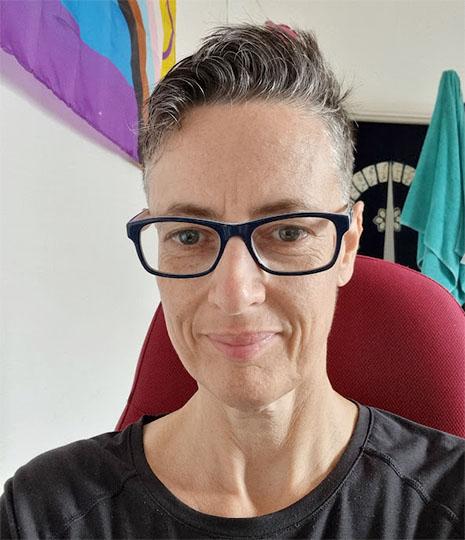
Dr Matthew Carlile
a.carlile (@gold.ac.uk)
Matthew’s areas of research and teaching cluster around social justice and institutional prejudice.
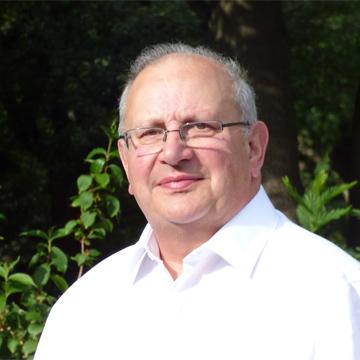
Dr Jim Anderson
j.anderson (@gold.ac.uk)
Jim has a broad interest in language-and-culture education and critical and creative approaches to pedagogy.
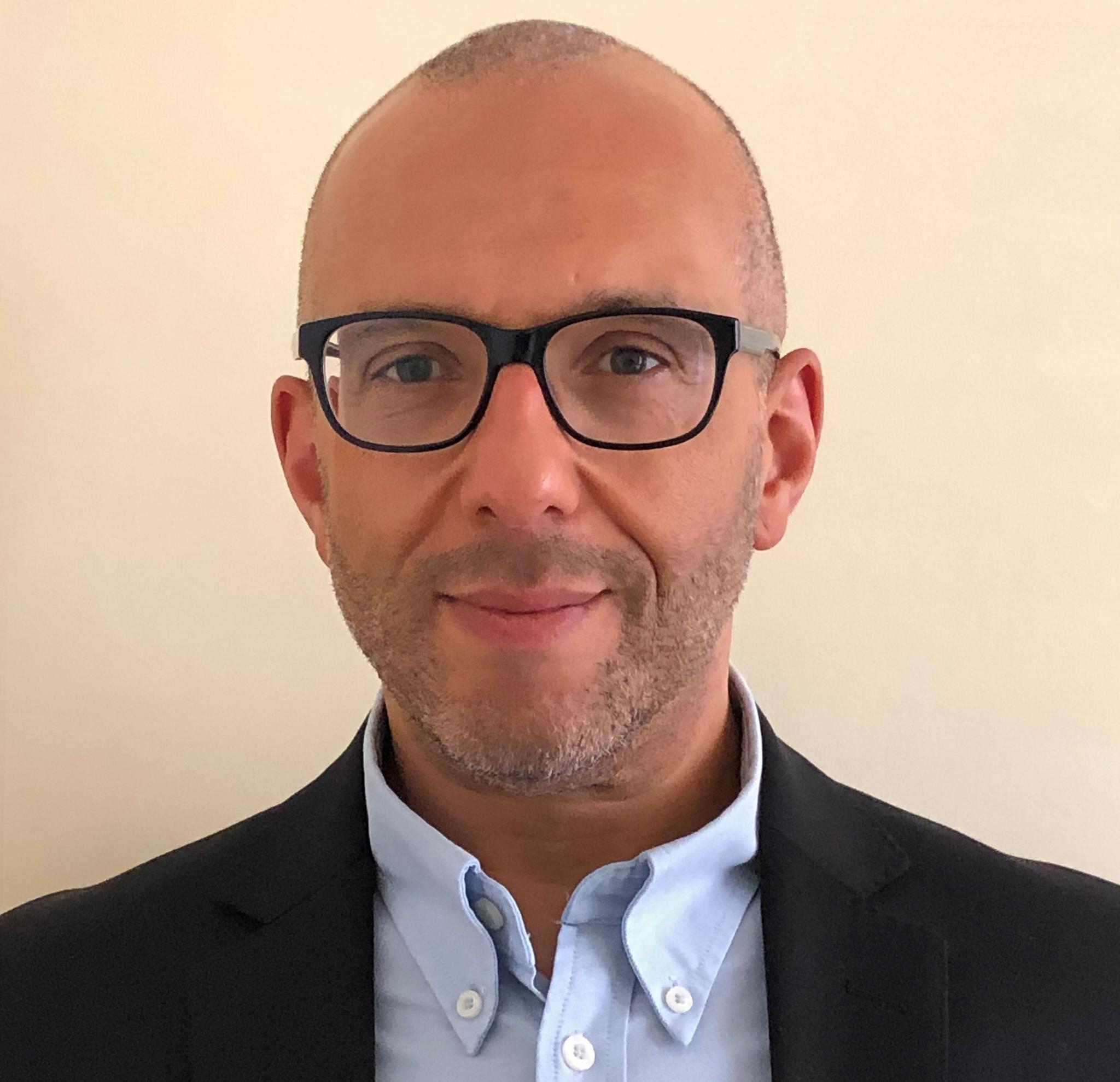
Professor Paul Warmington
P.Warmington (@gold.ac.uk)
Paul’s research focuses on critical race studies, education and social justice.
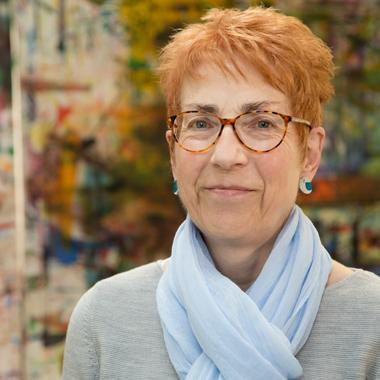
Dr Maggie Pitfield
m.pitfield (@gold.ac.uk)
Maggie’s schools-based research focuses on the contribution of educational drama practices to learning in English.
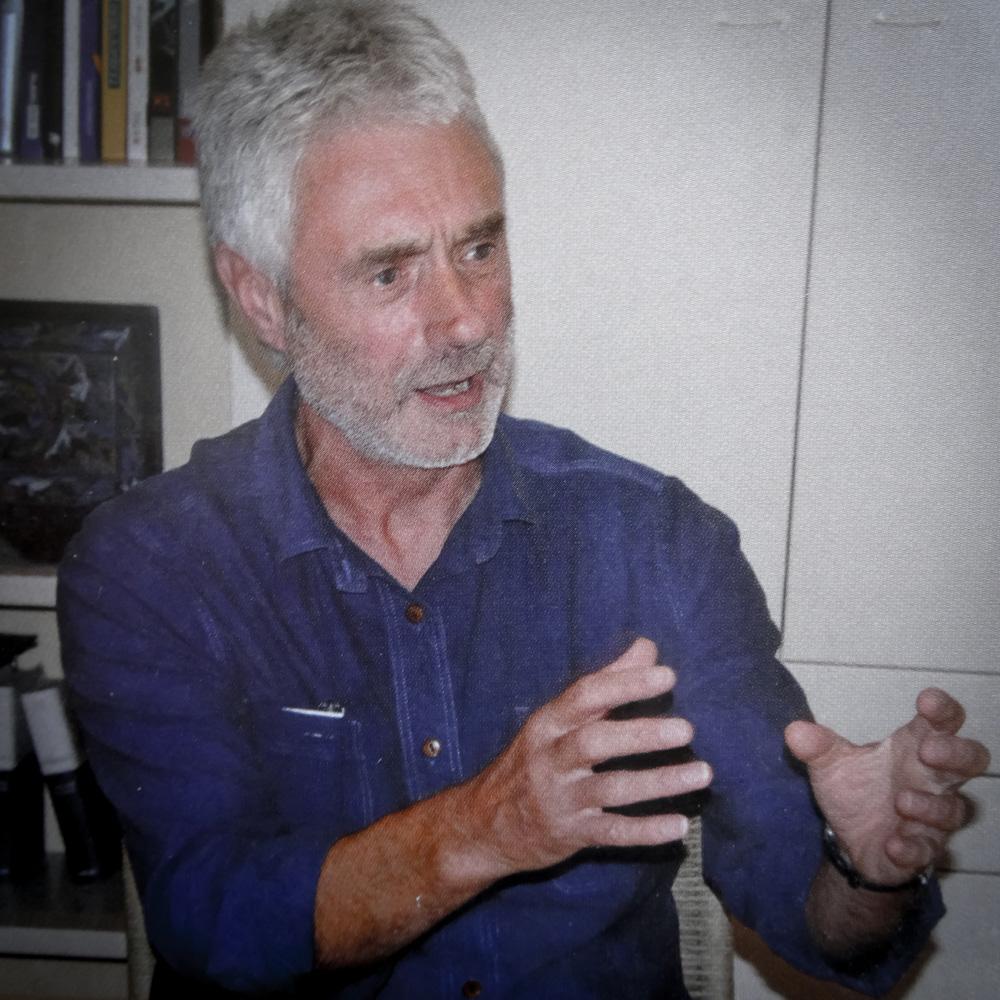
Professor Dennis Atkinson
d.atkinson (@gold.ac.uk)
Dennis is an internationally published academic whose most recent book focussed on art, equality and learning.
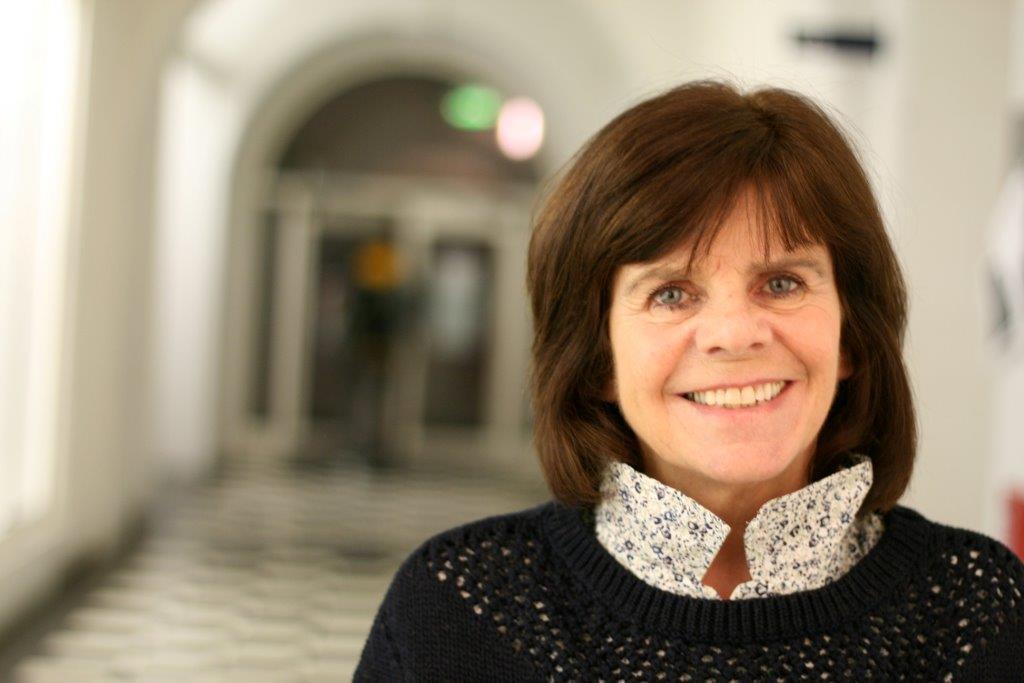
Professor Rosalyn George
r.george (@gold.ac.uk)
Rosalyn's research interests coalesce around issues of social justice and equity in schools and Higher Education.
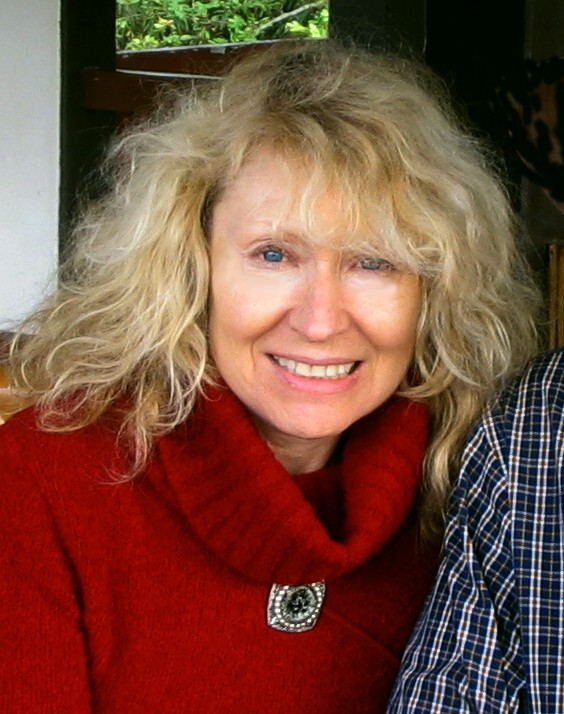
Professor Eve Gregory
e.gregory (@gold.ac.uk)
Eve's interests are in early childhood bilingualism, family literacy and a sociocultural approach to literacy learning.
Professor Ken Jones
ken.jones (@gold.ac.uk)

Professor Len Platt
l.platt (@gold.ac.uk)
Len’s major interest is in the politics of text and the ways culture performs in politically strategic ways.
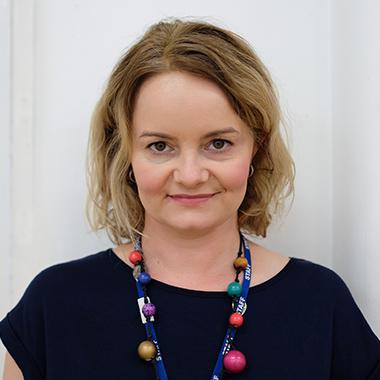
Edyta Pankowska
E.Pankowska (@gold.ac.uk)
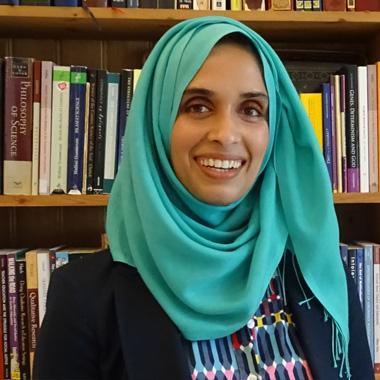
Amina Shareef
A.shareef (@gold.ac.uk)
I am Lecturer in Education. Gender, the War on Terror, anti-Muslim racism, racial violence, the hijab, and education