Alston Moor
Anne Charnock
Publication
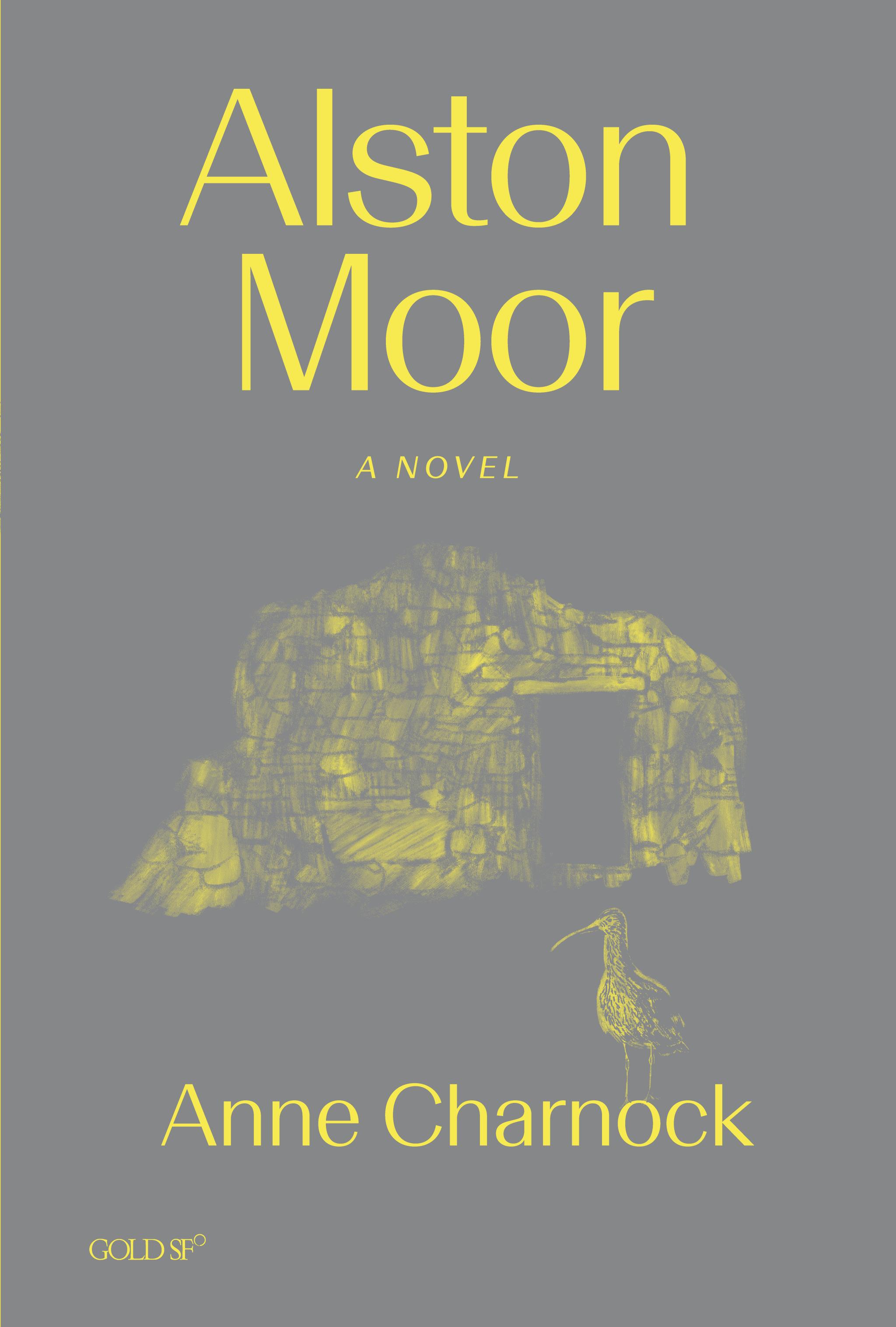
Alston Moor is a polyphonic novel creating a portrait over time of one of England's most remote landscapes, a landscape now suffering degradation and threatened by arson and wildfire. In 1548, Isabel and her father, together with the priest in this poorest of parishes, grapple with the chaos of the Protestant reformation. Enacted in far away centres of power, the reforms turn daily life and religious traditions upside down. Statues, images of the saints, rosaries, prayer books are burned. Massesfor the dead are denounced as the corrupt practice of a money-grubbing clergy. Isabel holds fast to the old ways. But at her summering ground she encounters the more-worldly cattle drovers who fall into rebellious talk. Surely there are no protestant sympathisers in her parish.
Today, in equally tumultuous and disruptive times, a grieving Elizabeth and her scientist team attempt to right the ecological wrongs and profligacy of the industrial era - the pollution, the age-old tradition of peat cutting for fuel, the draining of peat bogs for cultivation and the spread of sitka spruce plantations. The peatlands offer a climate life-line and there is no time to lose. The novel interrogates how society confronts crisis, whether through science, faith or ritual,and how landscape bears witness to human struggle across the centuries.
Alston Moor has a quiet brilliance and wise humanity that kept me spellbound. Charnock has a remarkable gift for making her characters living, breathing people; we feel them as ourselves. It's especially remarkable in the historical chapters, which may be the best depiction I've ever read of the lives of ordinary people of the past. The treatment of scientific endeavour in the present-day sections is equally impressive and intimately real… and the writing is just gorgeous. An irreplaceable book.
Alston Moor is fiction of the highest order. It moves between its two periods with authority and grace, offering generous parallels and harmonies. The medieval setting is richly imagined and researched and uncommonly convincing, while the contemporary story is captivating and urgent. Charnock writes with elegance and wisdom and a seriousness of purpose, and showing at all times respect and compassion for her characters caught up in the turbulence of history.
How easy it is to destroy ourselves, and how difficult to mend. Alston Moor is a deeply skilful piece of writing, weaving the contemporary and the historical. It suggests how, throughout hard times, we can look to the world around us, and strive to be part of a community that hopes, and heals.