People in the School of Computing
In this section
Staff list
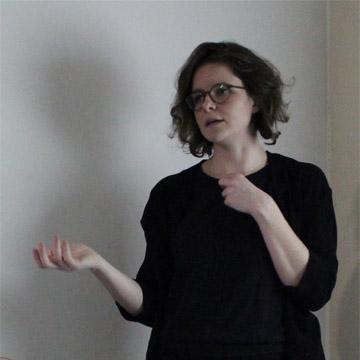
Rebecca Aston
R.Aston (@gold.ac.uk)
Rebecca is a creative technologist and practicing artist who works with a range of time-based media.
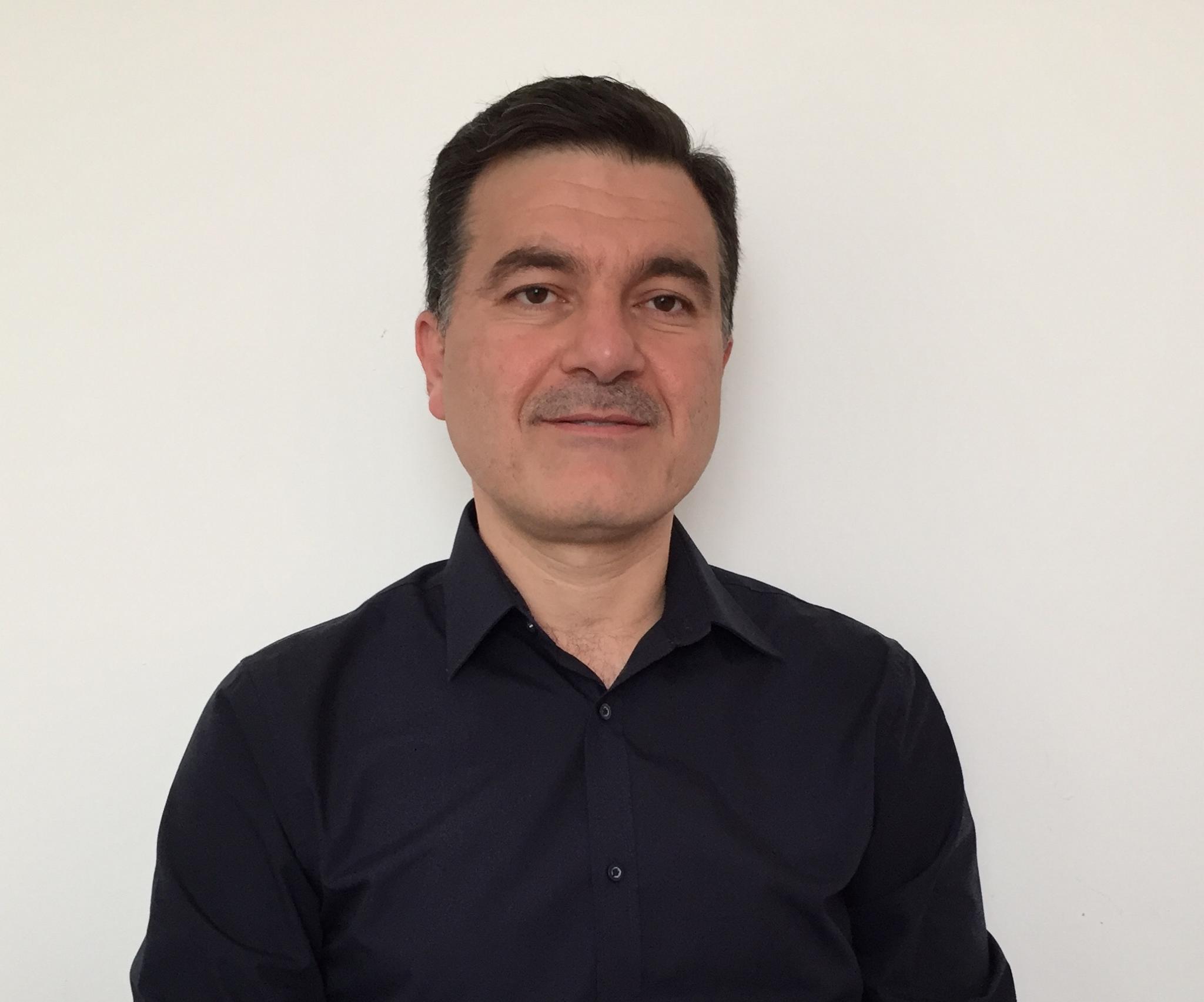
Omar B Karakchi
o.karakchi (@gold.ac.uk)
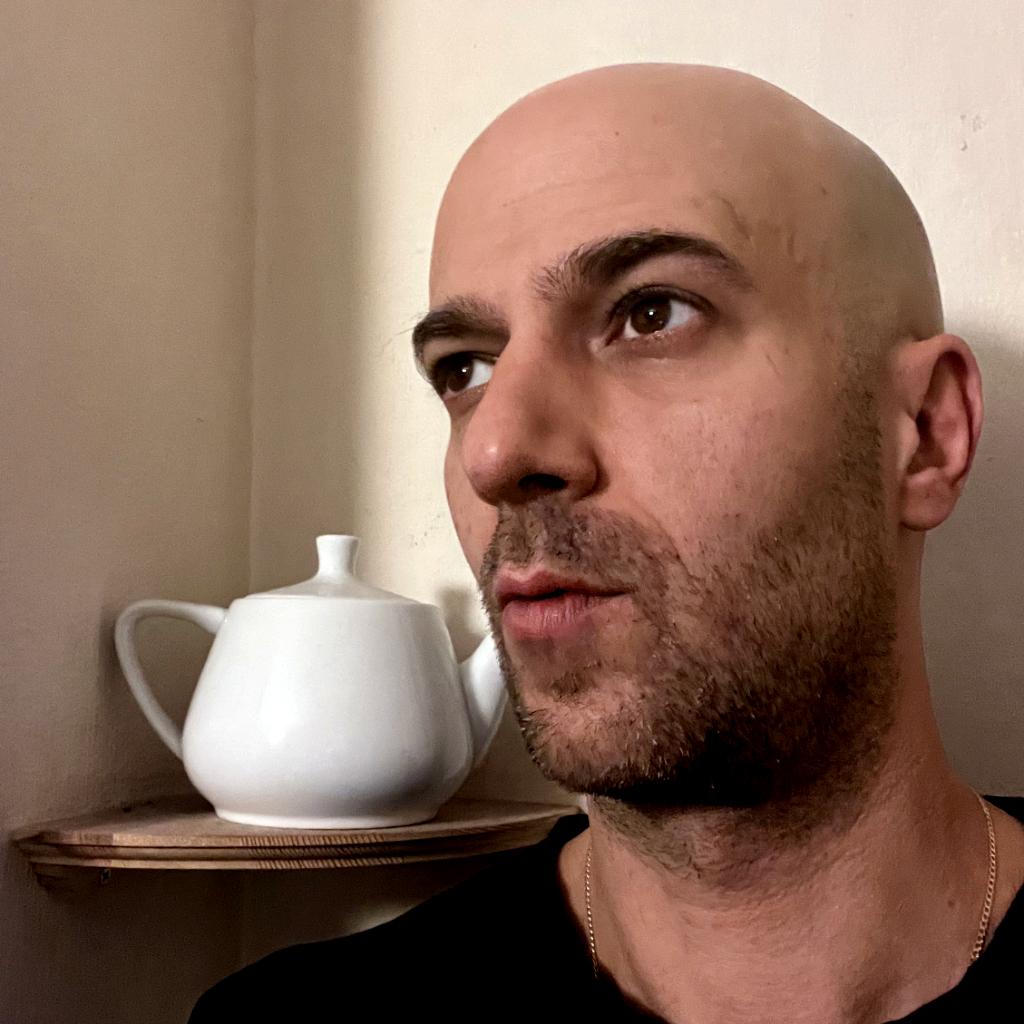
Dr Daniel Berio
daniel.berio (@gold.ac.uk)
Computational methods for generating typography, calligraphy, graffiti and vector graphics
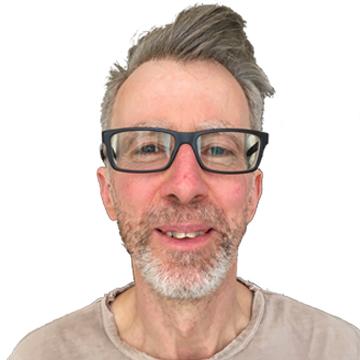
Dr Tim Blackwell
tim.blackwell (@gold.ac.uk)
I am interesting in all things swarming and musical.

Dr Alexander Brigden
Alexander.Brigden (@gold.ac.uk)
Alex's research focuses on human-computer-interaction, expression with sound, and game design.
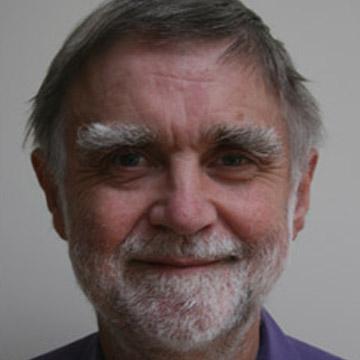
Dr David R. K. Brownrigg
D.Brownrigg (@gold.ac.uk)
David's current work is in novel image processing as part of collaboration with an artist, and in lossy compression.
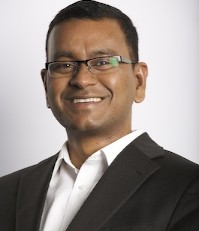
Dr Raju Chinthalapati
V.Chinthalapati (@gold.ac.uk)
Raju’s research focuses on Financial Technologies, Big Data Analysis, Computational Finance, Financial Econometrics and Operations Research.
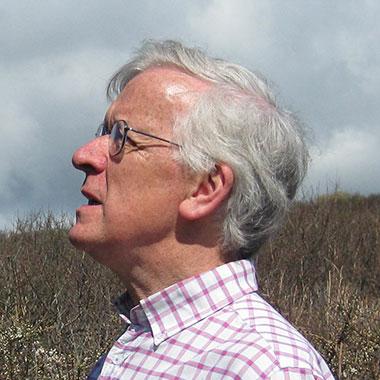
Prof Tim Crawford
t.crawford (@gold.ac.uk)
Tim has research interests in computational approaches to musicology and music history from the 16th to 18th centuries.
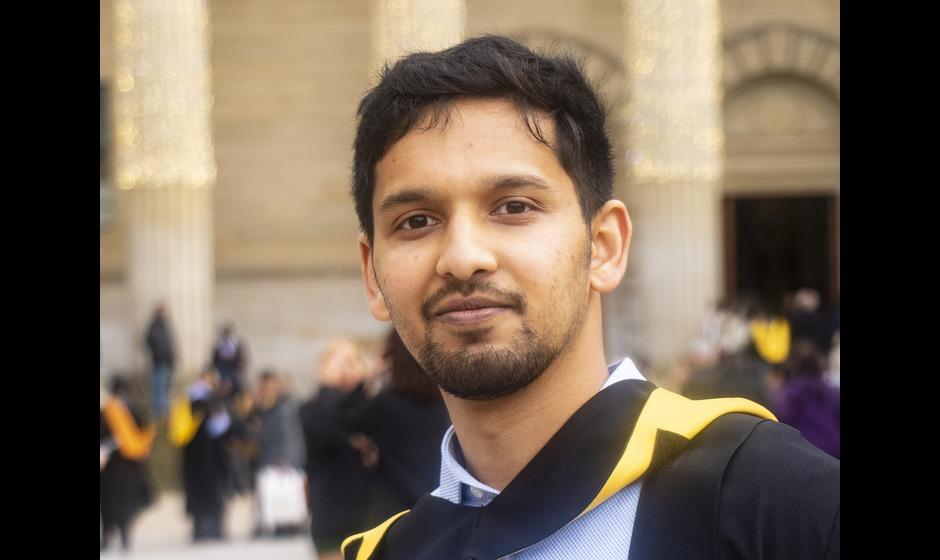
Rahul Raj Debnath
R.Debnath (@gold.ac.uk)
Rahul Raj Debnath is a Traditional Fine artist, 3D generalist who gives strong emphasis on storytelling in his works.
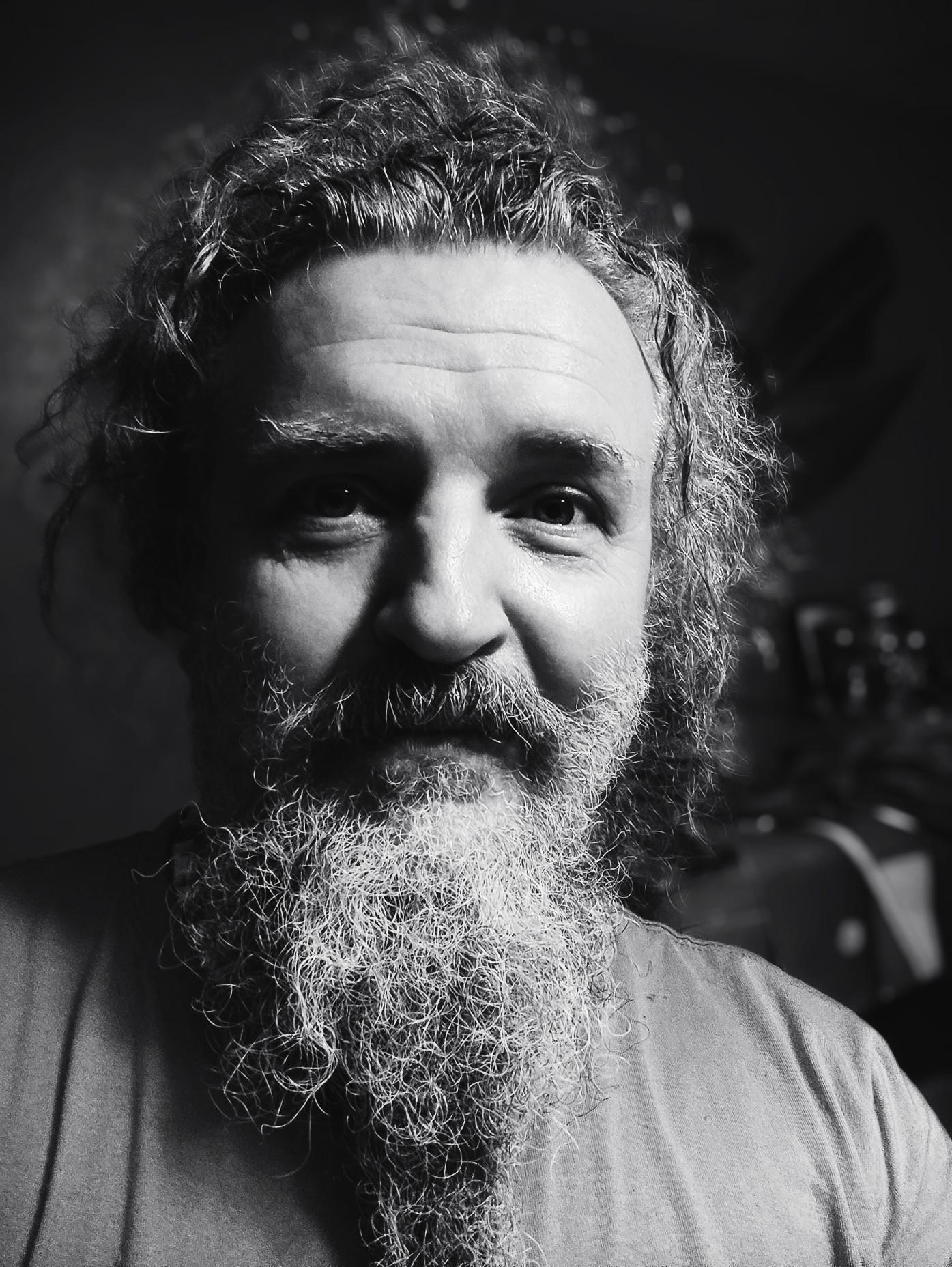

Dr Rachel Falconer
R.Falconer (@gold.ac.uk)
Rachel Falconer is a digital art curator, researcher, writer and educator.
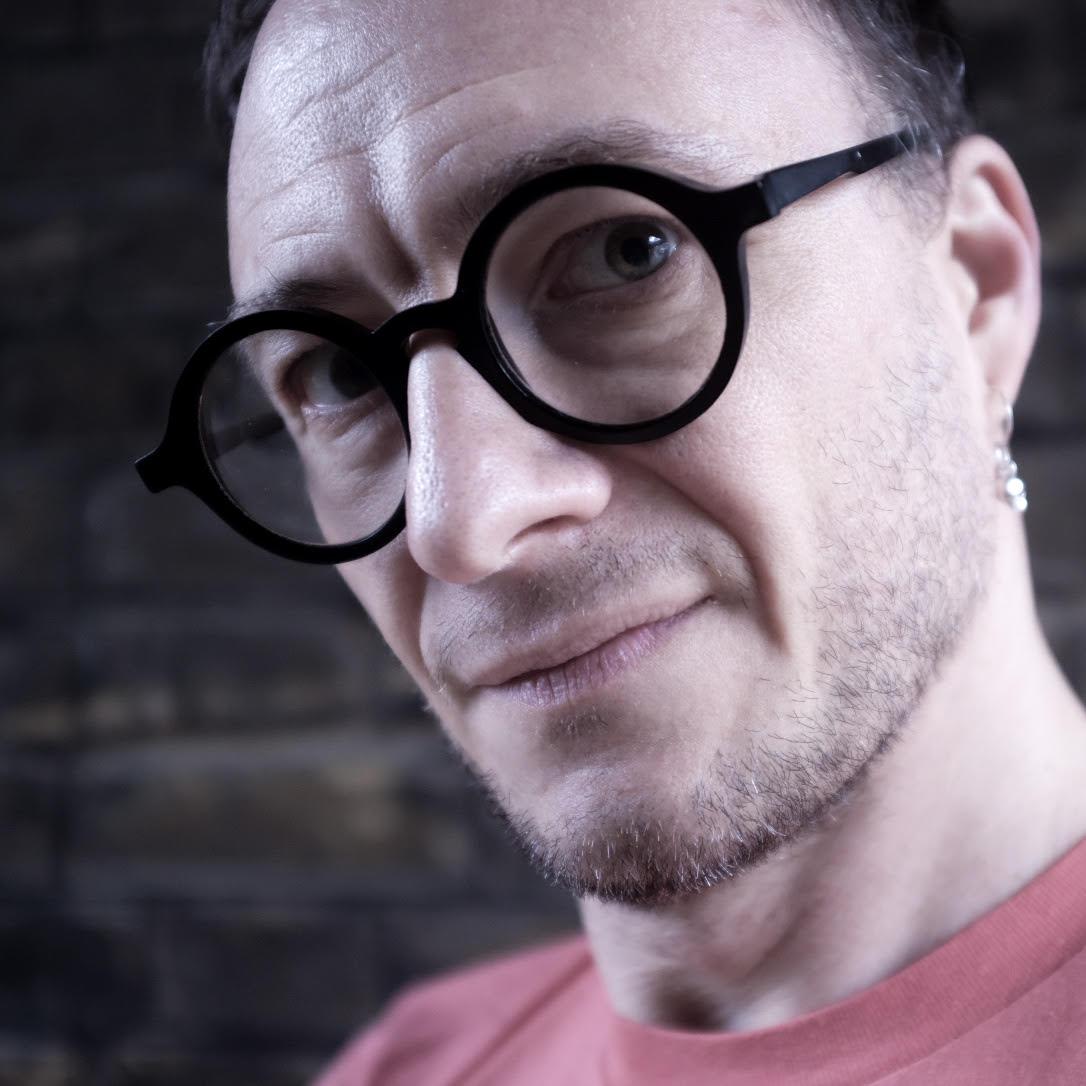
Fede Fasce
f.fasce (@gold.ac.uk)
.jpg)
Llewelyn Fernandes
llewelyn.fernandes (@gold.ac.uk)
Llewelyn uses creative computing projects to promote enthusiasm for computer science.
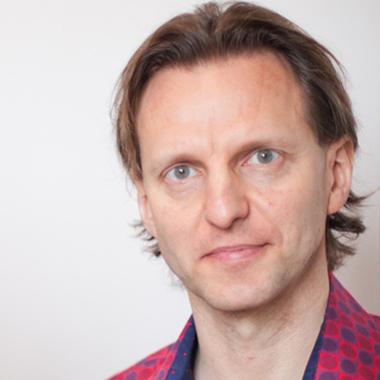
Prof Frederic Fol Leymarie
ffl (@gold.ac.uk)
Frederic works on creativity and AI systems, including robots which can perform artistic skills similar to humans.
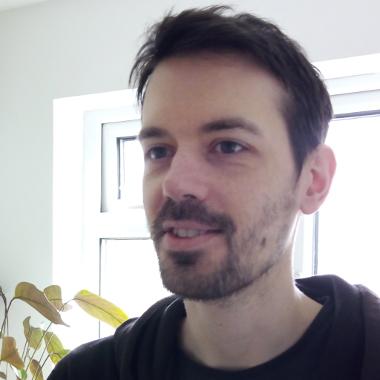
Dr Jamie Forth
j.forth (@gold.ac.uk)
Jamie is a musician, artist/coder, and interdisciplinary researcher interested in perception, culture and creativity
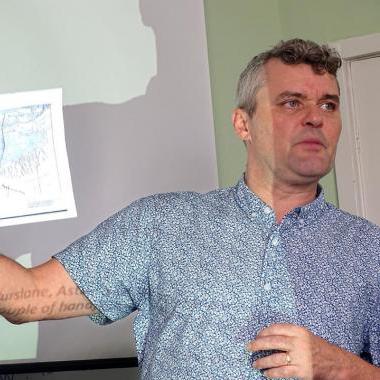
Andy Freeman
a.freeman (@gold.ac.uk)
Andy is a lecturer specialising in digital journalism, data visualisation and digital interactions.
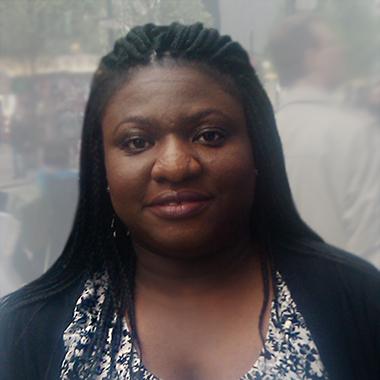
Dr Betty Fyn-Sydney
B.Fyn-Sydney (@gold.ac.uk)
Betty is a mathematician with interests in group theory, representation theory, and coding theory.
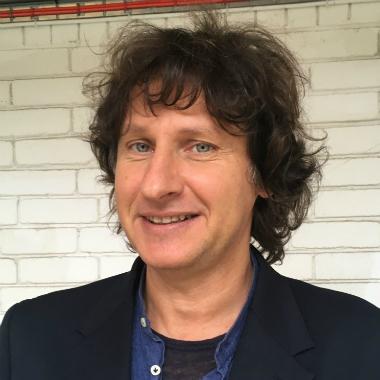
Dr Max Garagnani
M.Garagnani (@gold.ac.uk)
Max uses computer modelling and simulations to explore how we learn to speak and how the mind works.
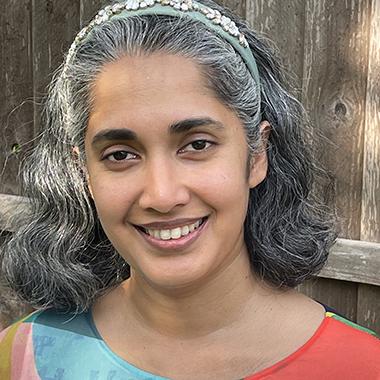
Professor Jennifer George
j.george (@gold.ac.uk)
Jennifer’s research areas include human computer interaction, accessibility and research through design
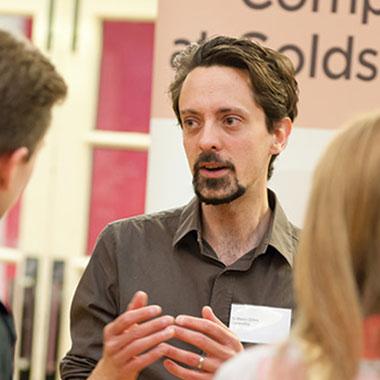
Professor Marco Gillies
m.gillies (@gold.ac.uk)
Professor of Computing. Co-director SEEVR lab and MA/MSc V&AR
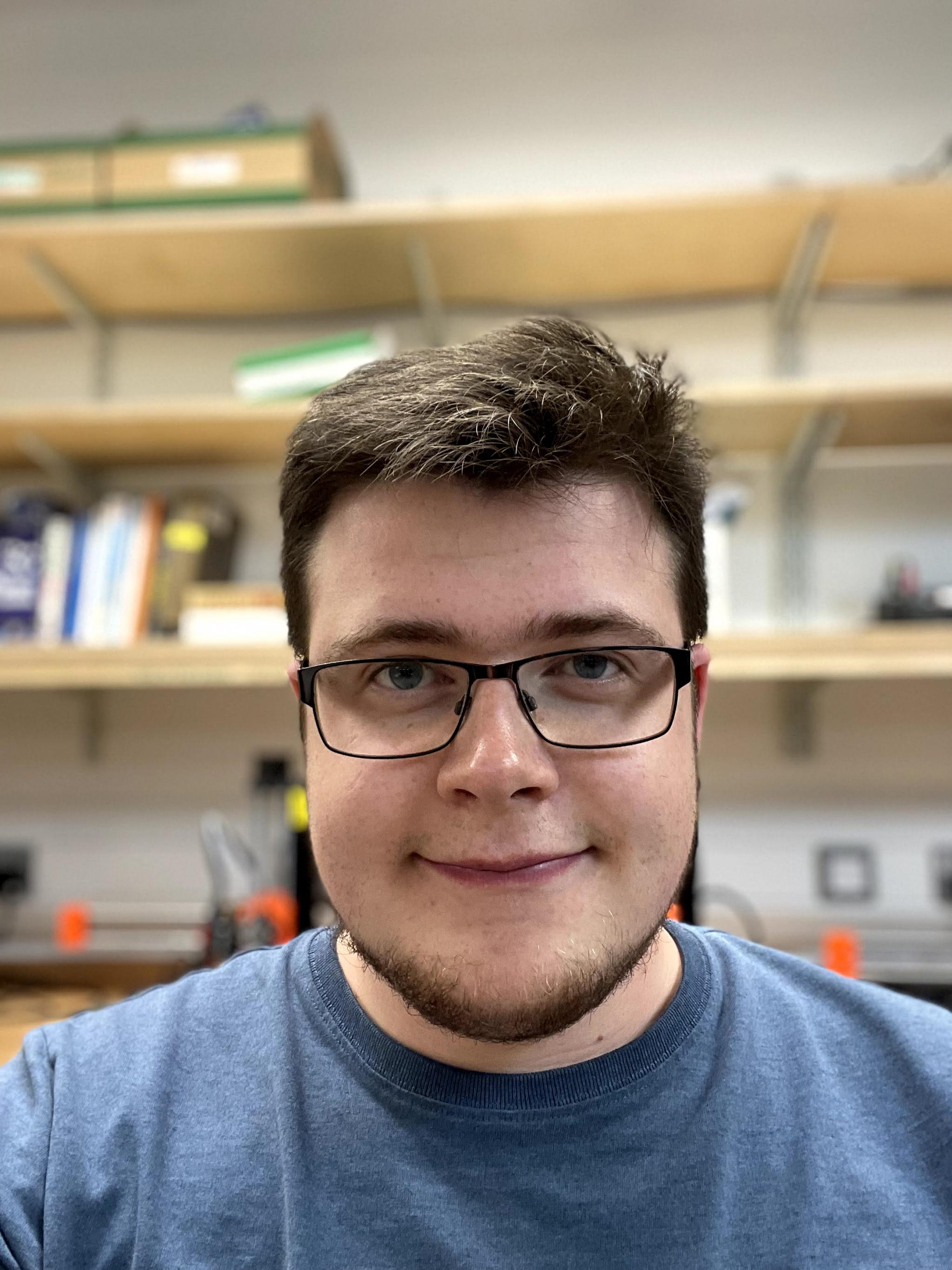
Robert Hall
r.hall (@gold.ac.uk)
I work on Physical Computing, 3D Printing and Laser Cutting, but also AV projects and also Live Streaming
Lane Palmer Hughston
l.hughston (@gold.ac.uk)
Lane is a mathematician who works on quantum informatics and mathematical finance.

Nima Jamalian
N.jamalian (@gold.ac.uk)
Nima combines expertise in software engineering and teaching with a strong enthusiasm for technology.
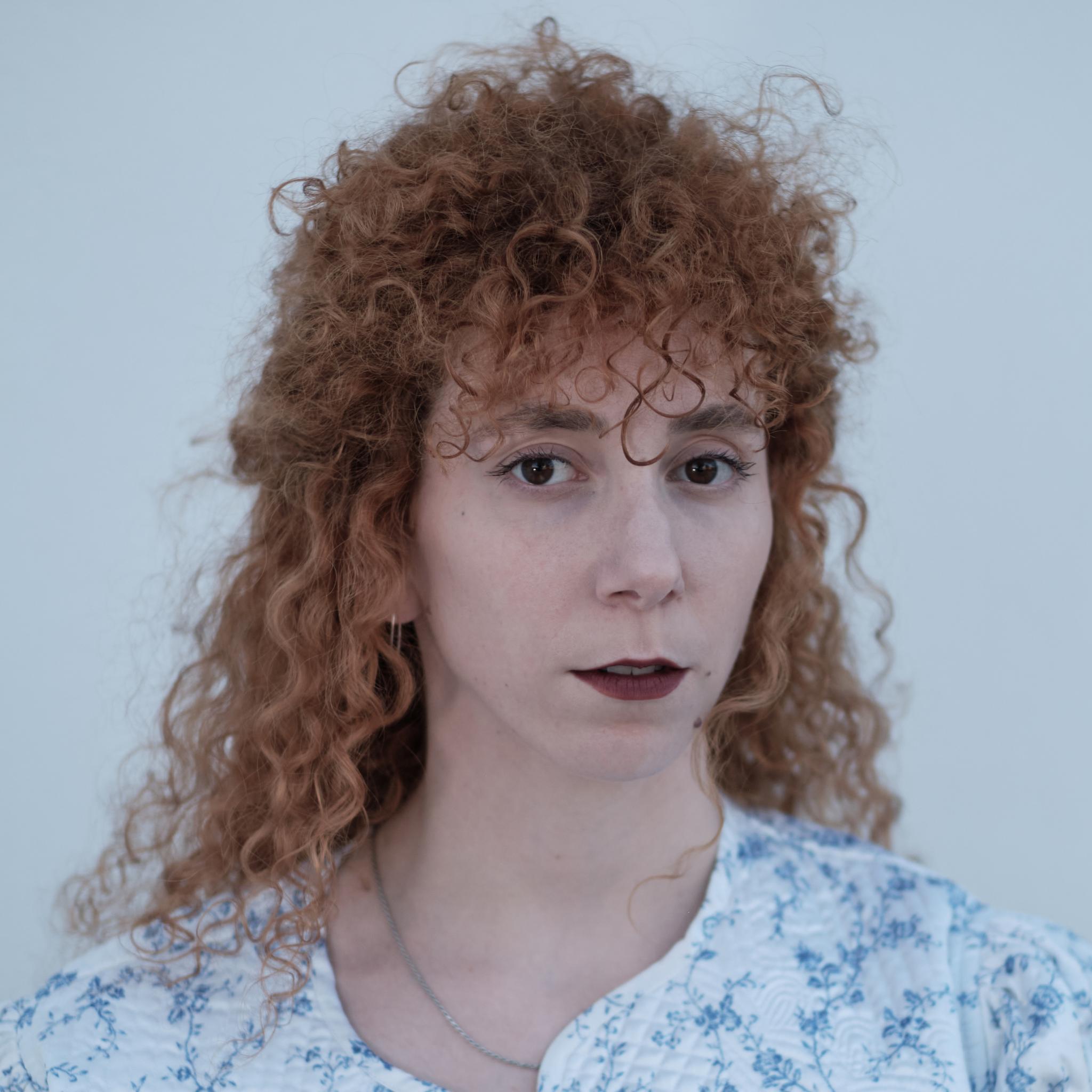
Irini Kalaitzidi
e.kalaitzidi (@gold.ac.uk)
Irini is a dance and computational artist and researcher
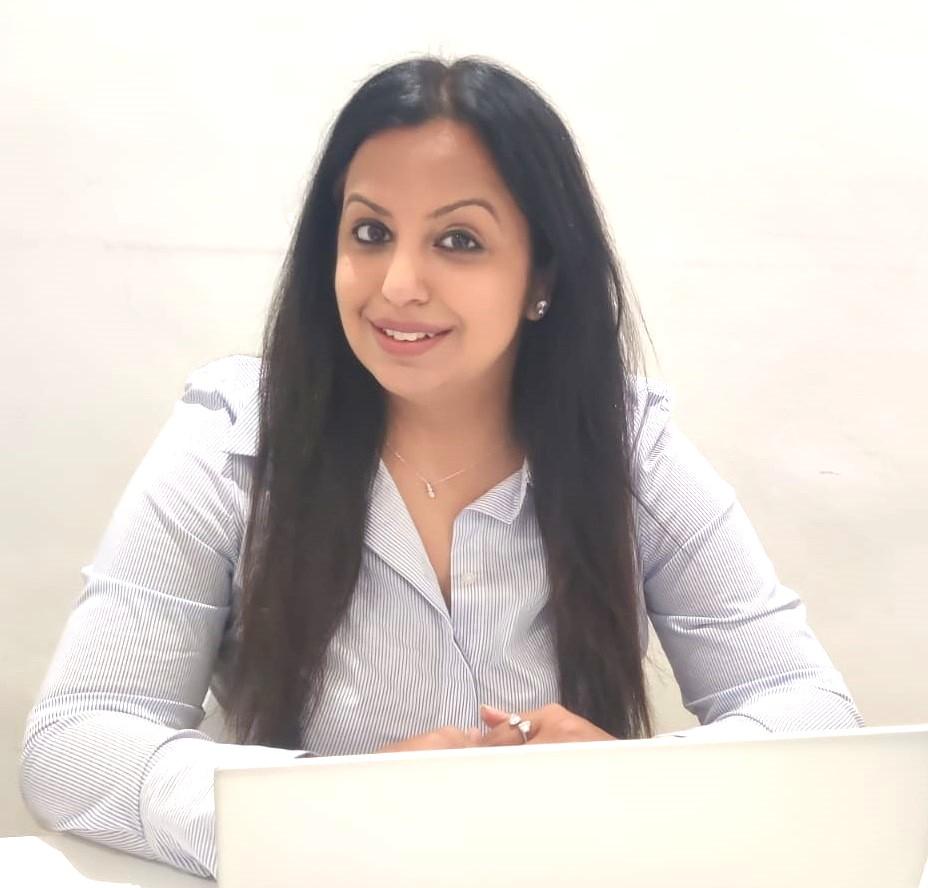
Dr Akshi Kumar
Akshi.Kumar (@gold.ac.uk)
Akshi examines how AI shapes society, combining expertise in NLP and AI ethics to inform policy and public debate.
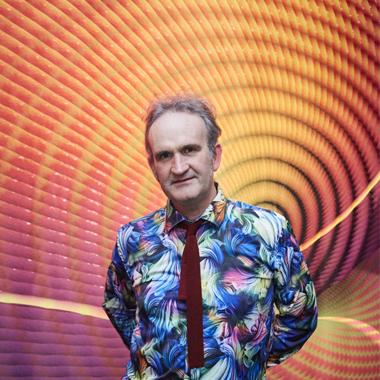
Prof William Latham
w.latham (@gold.ac.uk)
William is a designer of computer games and computer artist with expertise in evolutionary art.
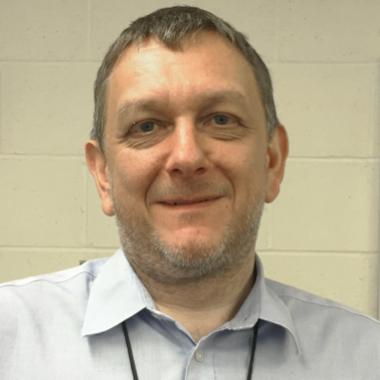
Richard Leinfellner
R.Leinfellner (@gold.ac.uk)
Richard started in the games business in 1980 and has programmed & produced many top ten games.
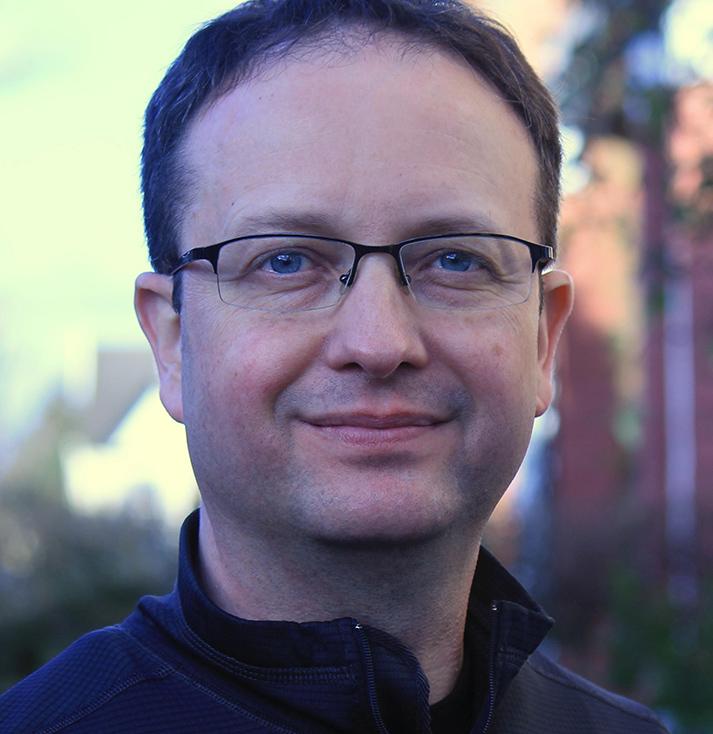
Andy Lomas
a.lomas (@gold.ac.uk)
Andy is an Emmy award-winning computational artist exploring the complex nature of form and the simulation of growth processes.
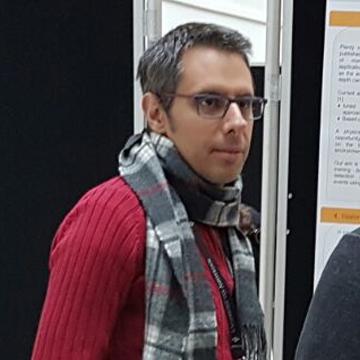
Georgios Mastorakis
g.mastorakis (@gold.ac.uk)
Georgios is interested in computer vision, machine learning and simulation modeling

Dr Sean McGrath
s.mcgrath (@gold.ac.uk)
Sean’s research explores the intersection between technology and people, with a particular focus on audio.
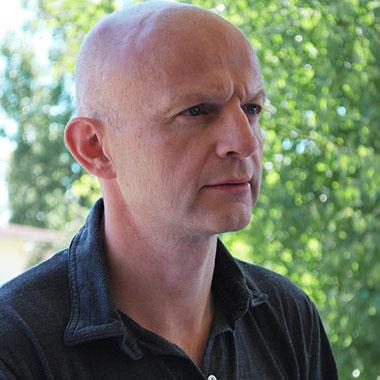
Dr Dan McQuillan
d.mcquillan (@gold.ac.uk)
Senior Lecturer in Critical AI, author of 'Resisting AI' (Bristol University Press)
Dr Nikolay Nikolaev
n.nikolaev (@gold.ac.uk)
Nikolay’s recent work is devoted to genetic programming of tree-structured polynomials.
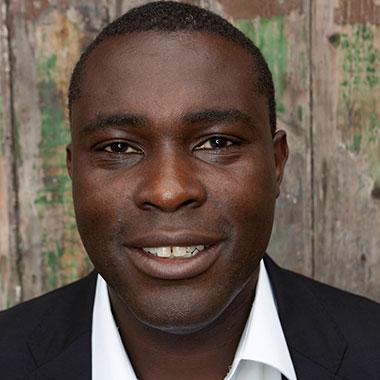
Dr James Ohene-Djan
j.djan (@gold.ac.uk)
James is interested in digital entrepreneurial studies, social video technologies, and location-based digital services
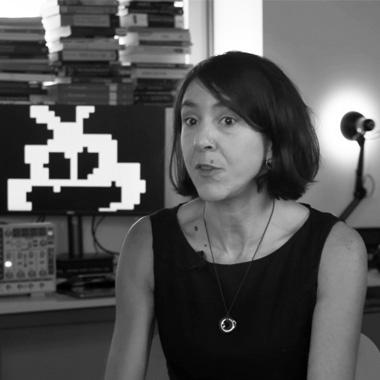
Dr Eleonora Oreggia
e.oreggia (@gold.ac.uk)
Electromagnetic sensing systems for expressive interaction in electronic music, performance, and time-based media art
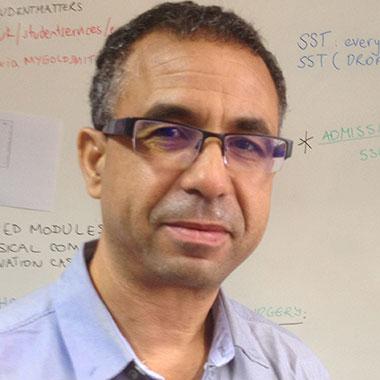
Dr Mattia Paganelli
m.paganelli (@gold.ac.uk)
Lecturer and researcher in non-linearity, philosophy, and contemporary art
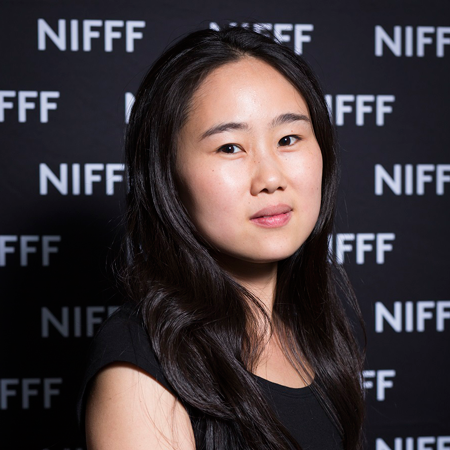
Professor Sylvia Xueni Pan
x.pan (@gold.ac.uk)
Sylvia has extensive experience working in VR researching Virtual Reality technology and social neuroscience.
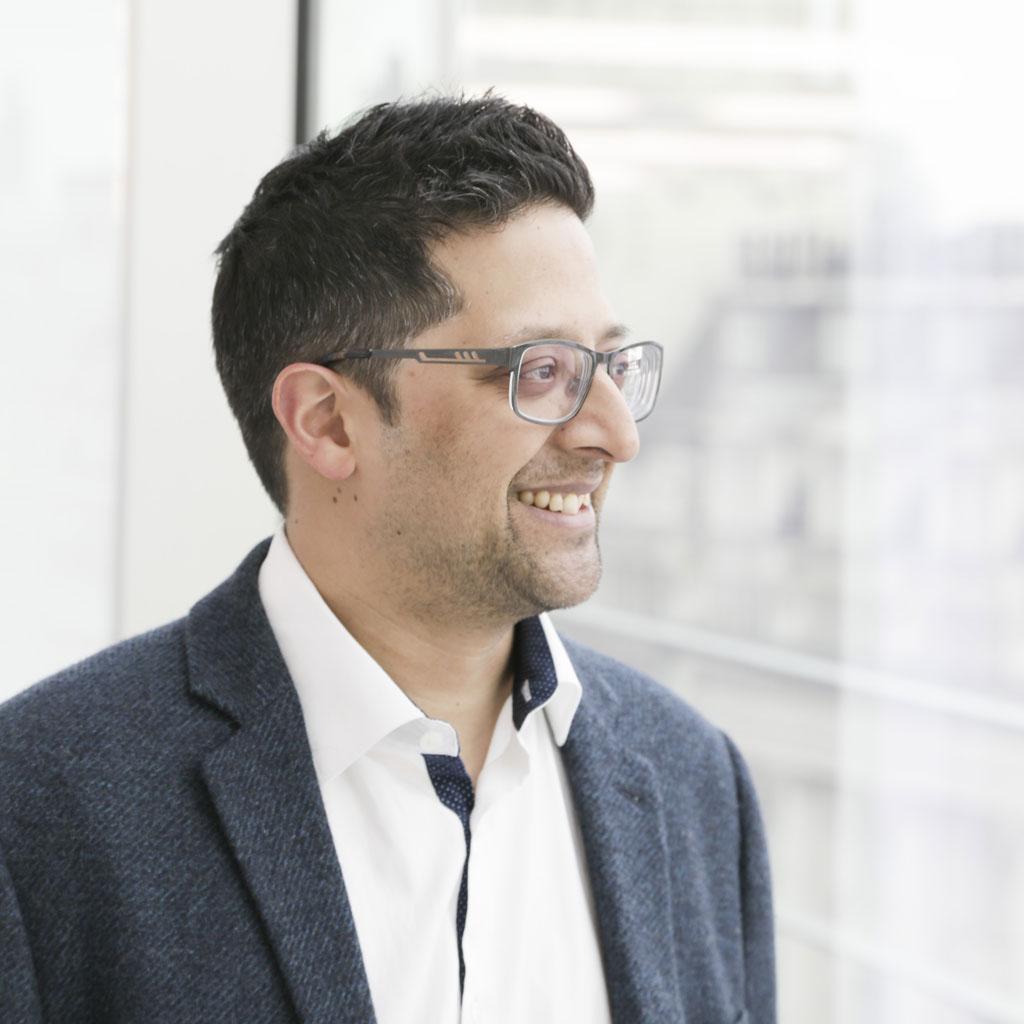
Sumit Paul-Choudhury
S.Paul-Choudhury (@gold.ac.uk)
Sumit is a writer and entrepreneur interested in the commercial and recreational applications of creative computing.
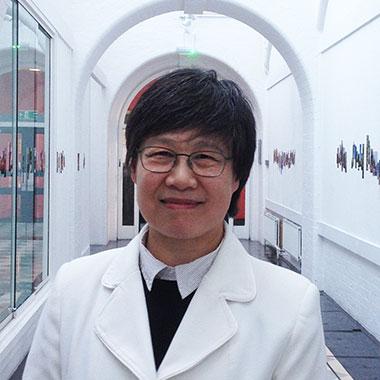
Dr Ida Pu
i.pu (@gold.ac.uk)
Ida specialises in probabilistic and average case algorithms, data structures and communications and complexity theory.
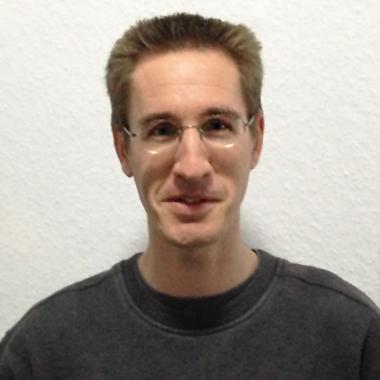
Dr Lance Putnam
L.Putnam (@gold.ac.uk)
Lance is a composer and researcher, interested in generative art, digital sound synthesis and media signal processing.

.jpg)
Dr Tony Russell-Rose
t.russell-rose (@gold.ac.uk)
Tony's research focuses on the intersection of natural language processing, information retrieval and user experience.
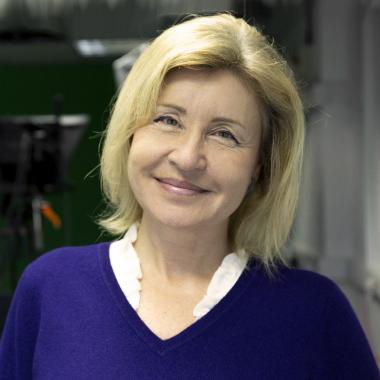
Professor Larisa Soldatova
l.soldatova (@gold.ac.uk)
Larisa joined Goldsmiths in November 2017 as director of the online Masters in Data Science programme.
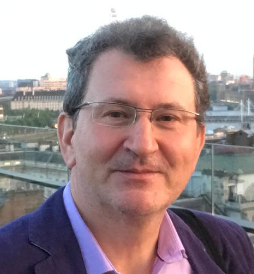
Dr Daniel Stamate
d.stamate (@gold.ac.uk)
Daniel’s research interests concern problems and applications involving soft computing and data science.
.jpg)
Dr. Rabail Tahir
R.Tahir (@gold.ac.uk)
Rabail’s research focuses on optimising technology for the betterment of people particularly educational games
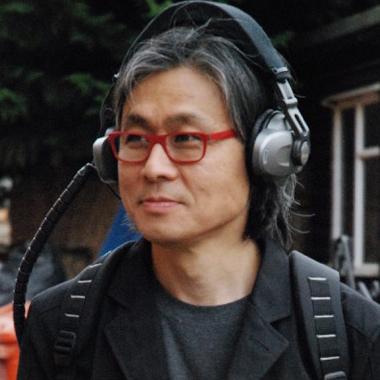
Prof Atau Tanaka
a.tanaka (@gold.ac.uk)
Atau researches embodied musical interaction, human computer interaction and gestural computer music performance.

Katie Tindle
Katie.tindle (@gold.ac.uk)
Writing and poetry; collaborative practices; machine learning; physical computing; installation and video art
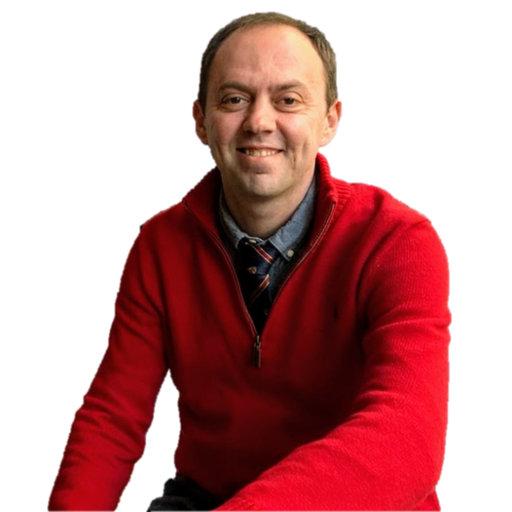
Dr Itshak Tkach
I.Tkach (@gold.ac.uk)
Itshak is working with Tim Blackwell on a couple of projects in swarm intelligent optimisation.
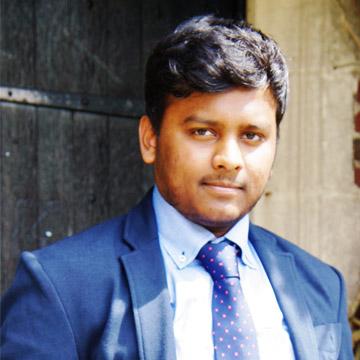
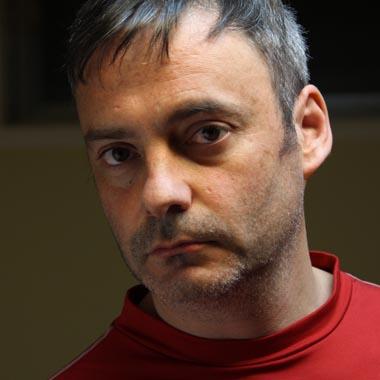
Gabriel Vigliensoni
g.vigliensoni (@gold.ac.uk)
Professor Jamie A Ward
j.ward (@gold.ac.uk)
Wearable Computing and Social Neuroscience
Jessica Wolpert
J.Wolpert (@gold.ac.uk)
Professor Matthew Yee-King
m.yee-king (@gold.ac.uk)
Matthew interests are in education technology, automatic sound synthesizer programming and interactive music systems.
Bruno Zamborlin
bruno (@gold.ac.uk)
Bruno's research focuses on converting physical objects into interactive surfaces using vibration sensors and AI
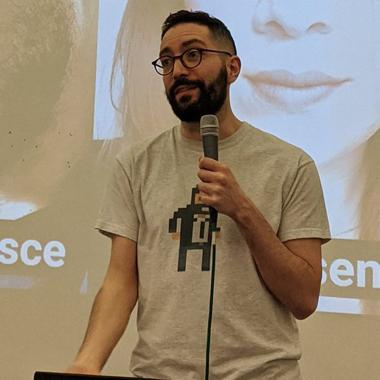
Alan Zucconi
a.zucconi (@gold.ac.uk)
Alan Zucconi is a passionate lecturer and developer, working in the intersection between Creativity and Education.

Basel Barakat
b.barakat (@gold.ac.uk)
Dr. Basel is specialised in Artificial Intelligence, Machine Learning, Internet of Things, and Wireless Communication

Dr Joy Eze
J.Eze (@gold.ac.uk)
My research is an interdisciplinary field that leverages mathematical methods, data science, and health technology.

Professor Ira Greenberg
I.Greenberg (@gold.ac.uk)
Ira's research integrates creative imaging approaches, including analog, code and AI, with a concentrated interest in exploring connections between contemporary digital practices and Western pictorial history.
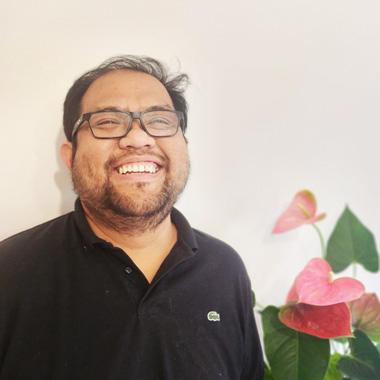
Dr Patrick Hartono
patrick.hartono (@gold.ac.uk)
Electroacoustic Composer, Audiovisual Artist, Researcher in Interactive Music and Performance
.jpg)
Dr Sarah Rauchas
s.rauchas (@gold.ac.uk)
I am a multi-disciplinary academic with interests in Computer Science, Creativity and Education.
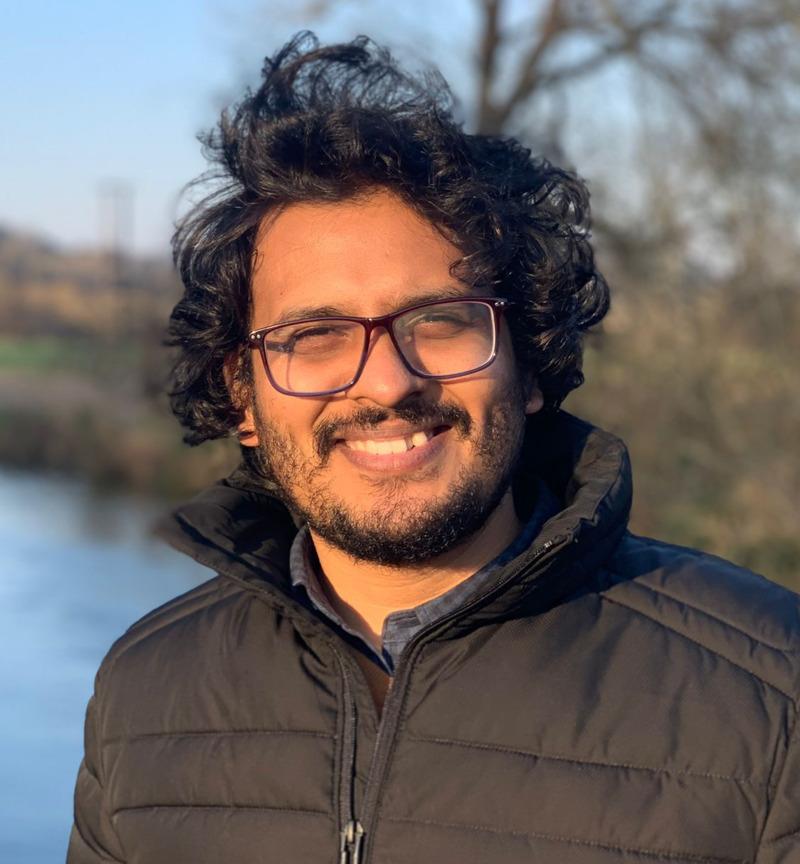
Prashanth Thattai Ravikumar
p.thattairavikumar (@gold.ac.uk)
Prashanth's research focuses on enhancing human-AI co-creativity with generative audio and music systems
.jpg)
Dr Noureddin Sadawi
n.sadawi (@gold.ac.uk)
Machine/Deep Learning, Artificial Intelligence, Data Science, Analysis and Engineering and Cloud Computing.

Dr Linda Hilfling Ritasdatter
L.Ritasdatter ( (@gold.ac.uk)
Linda creates software based tools and interventions that interrogate the politics of digital culture.