Staff in the Department of Anthropology
In this section
Staff list
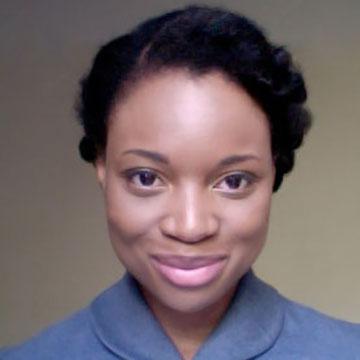
Dr. Emma Abotsi
e.abotsi (@gold.ac.uk)
I work on youth, education, migration and development with a geographical focus on the UK and West Africa.
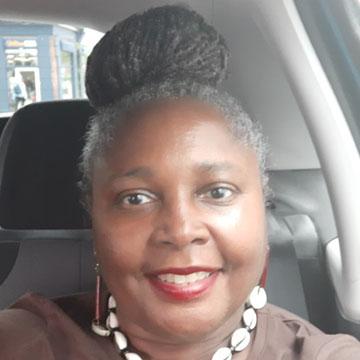
Dr Audrey Allwood
a.allwood (@gold.ac.uk)
I specialise in researching the Caribbean community in Britain focusing on inter-generation connections and belonging.
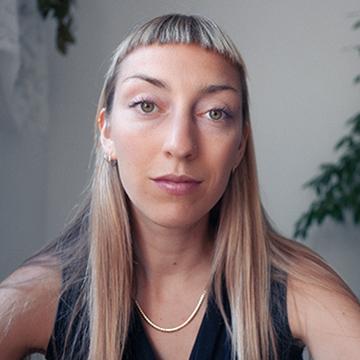
Louise Boer
l.boer (@gold.ac.uk)
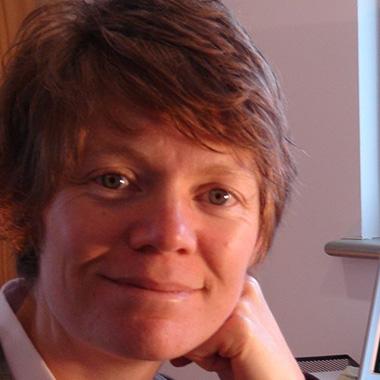
Professor Rebecca Cassidy
r.cassidy (@gold.ac.uk)
I am a social anthropologist working on fruit, particularly apples and orchards.
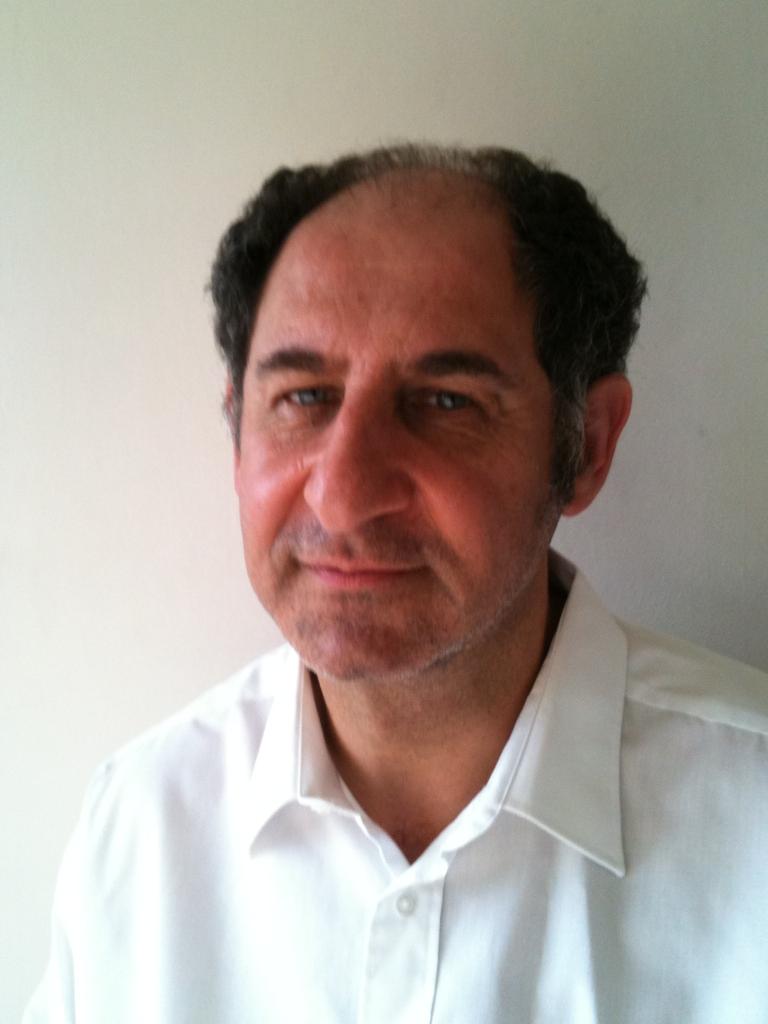
Professor Simon Dein
s.dein (@gold.ac.uk)
Simon researches religious healing in Pentecostalism, mental health and Islam, prophecy and Jewish Millennialism
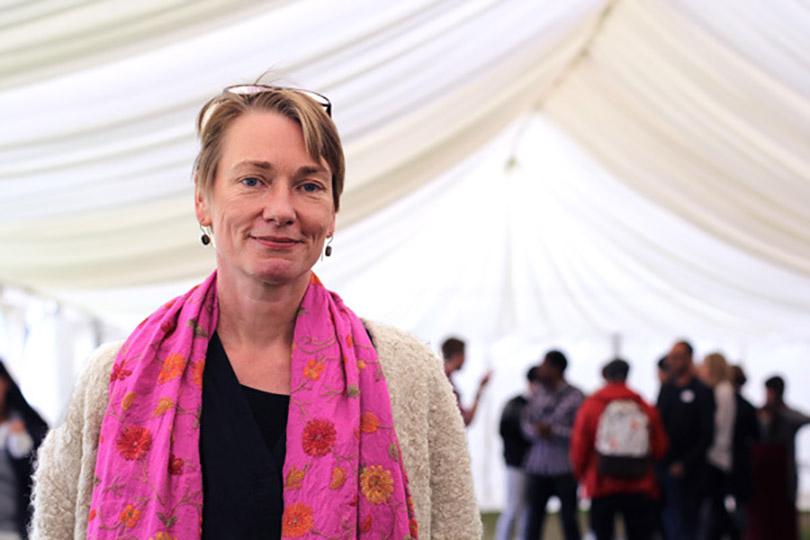
Dr Henrike Donner
h.donner (@gold.ac.uk)
I am an urban anthropologist with research interests in gender and kinship, class and urban politics.
.jpg)
Sultan Doughan
s.doughan (@gold.ac.uk)
I research religious difference, race, citizenship and memory within secularism in Europe & the Middle East.
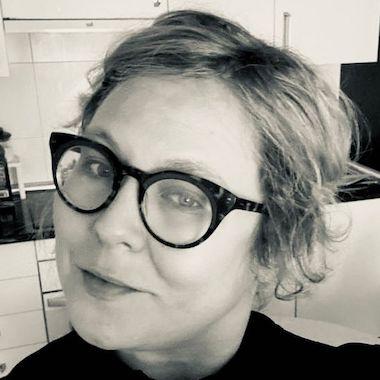
Lee Douglas
l.douglas (@gold.ac.uk)
A ethnographer, image-maker, and curator, my work considers memory and forgetting in post-violence contexts.
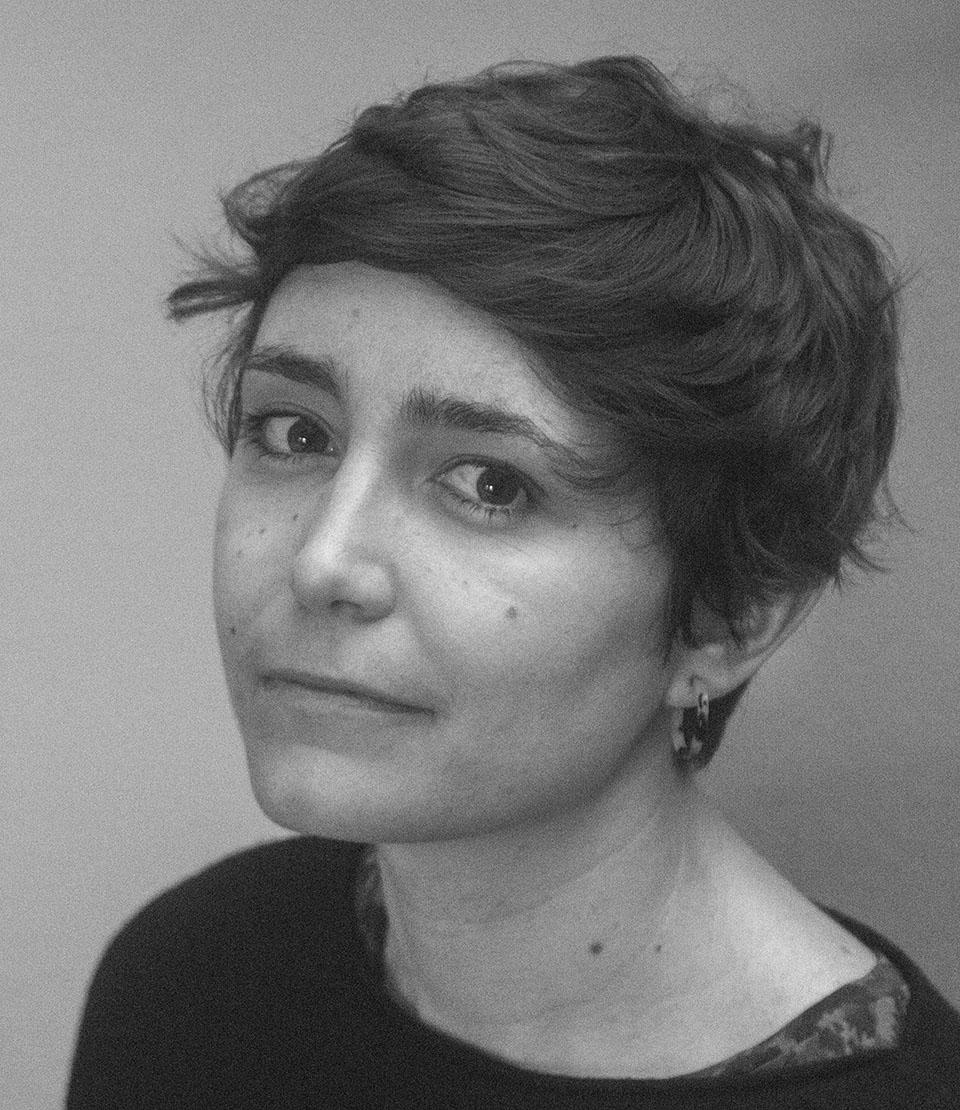
Dr Alice Elliot
a.elliot (@gold.ac.uk)
I work in North Africa and Europe on Mediterranean migrations, Islam and hope, politics and intimacy
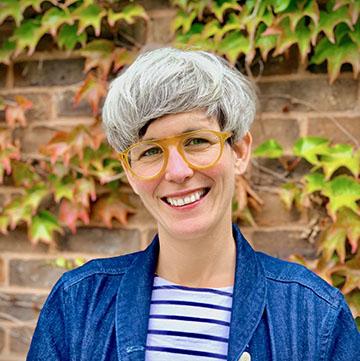
Dr Elena Gonzalez-Polledo FHEA
e.gonzalez-polledo (@gold.ac.uk)
I am a social anthropologist, but my work crosses boundaries between academic disciplines.
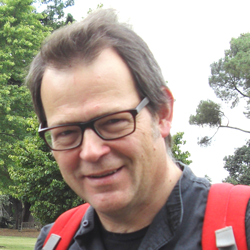
Dr Mark Johnson
m.johnson (@gold.ac.uk)
Mark’s interests are on the issues of gender/sexuality, landscape and material culture, migration and transnationalism.
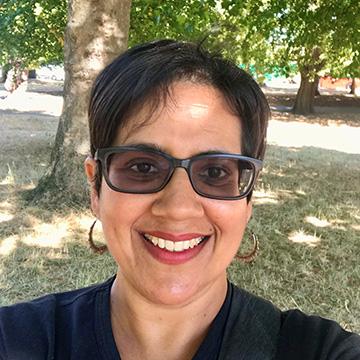
Dr Kuldip Kaur
kkaur005 (@gold.ac.uk)
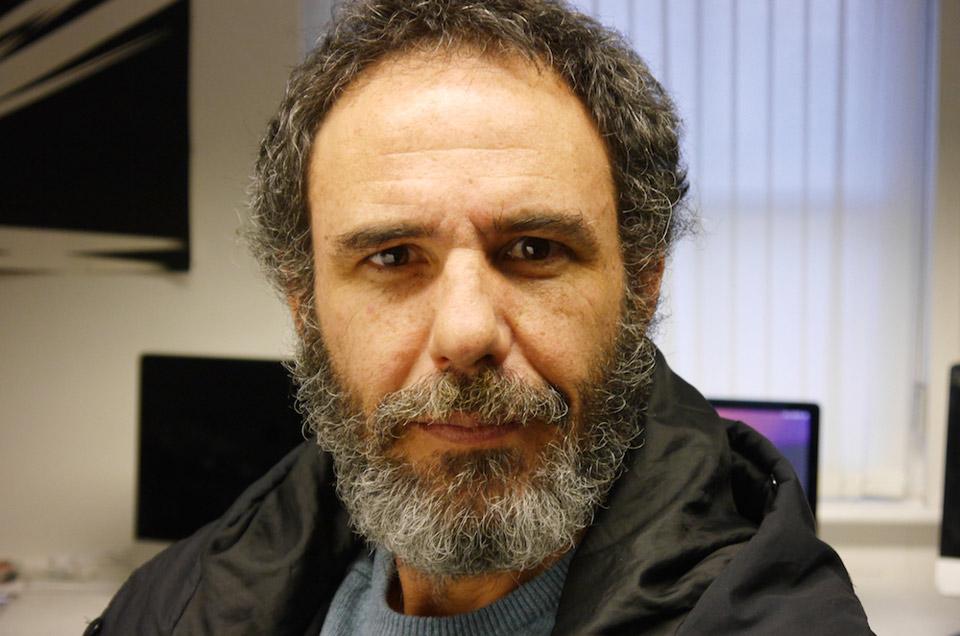
Dr Ricardo Leizaola PhD
r.leizaola (@gold.ac.uk)
Ricardo is a documentary filmmaker and anthropologist specialising in visual anthropology and ethnobotany.
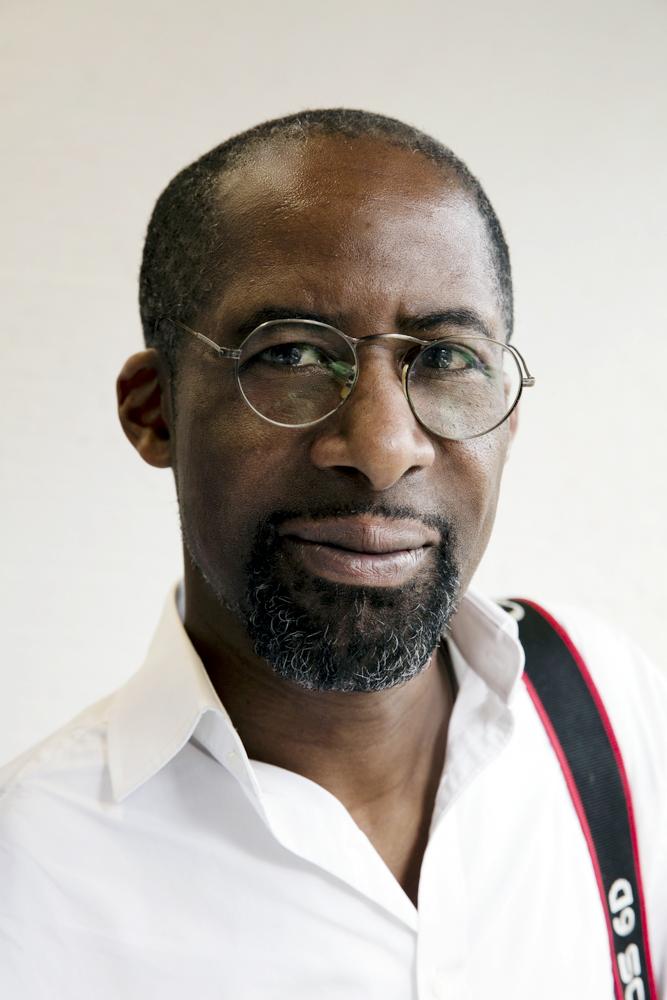
Dave Lewis
ans01dl (@gold.ac.uk)
Connecting the practices of ethnography and photography, Dave explores the social conditions of belonging.
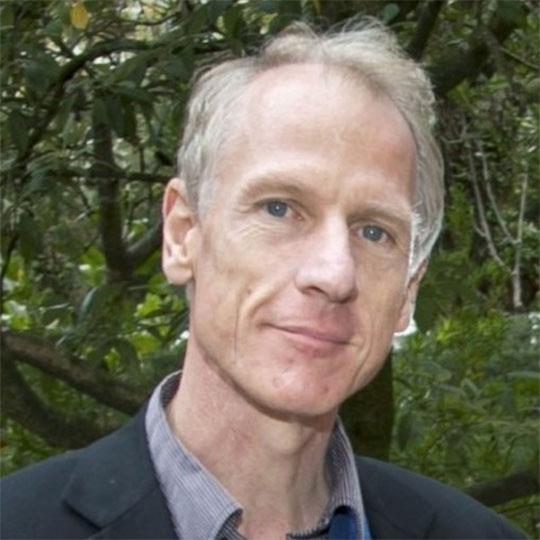
Professor Cris Shore
c.shore (@gold.ac.uk)
Political anthropology; Europe; Corruption; Organisations; Higher Education; Anthropology of Policy; Audit culture.
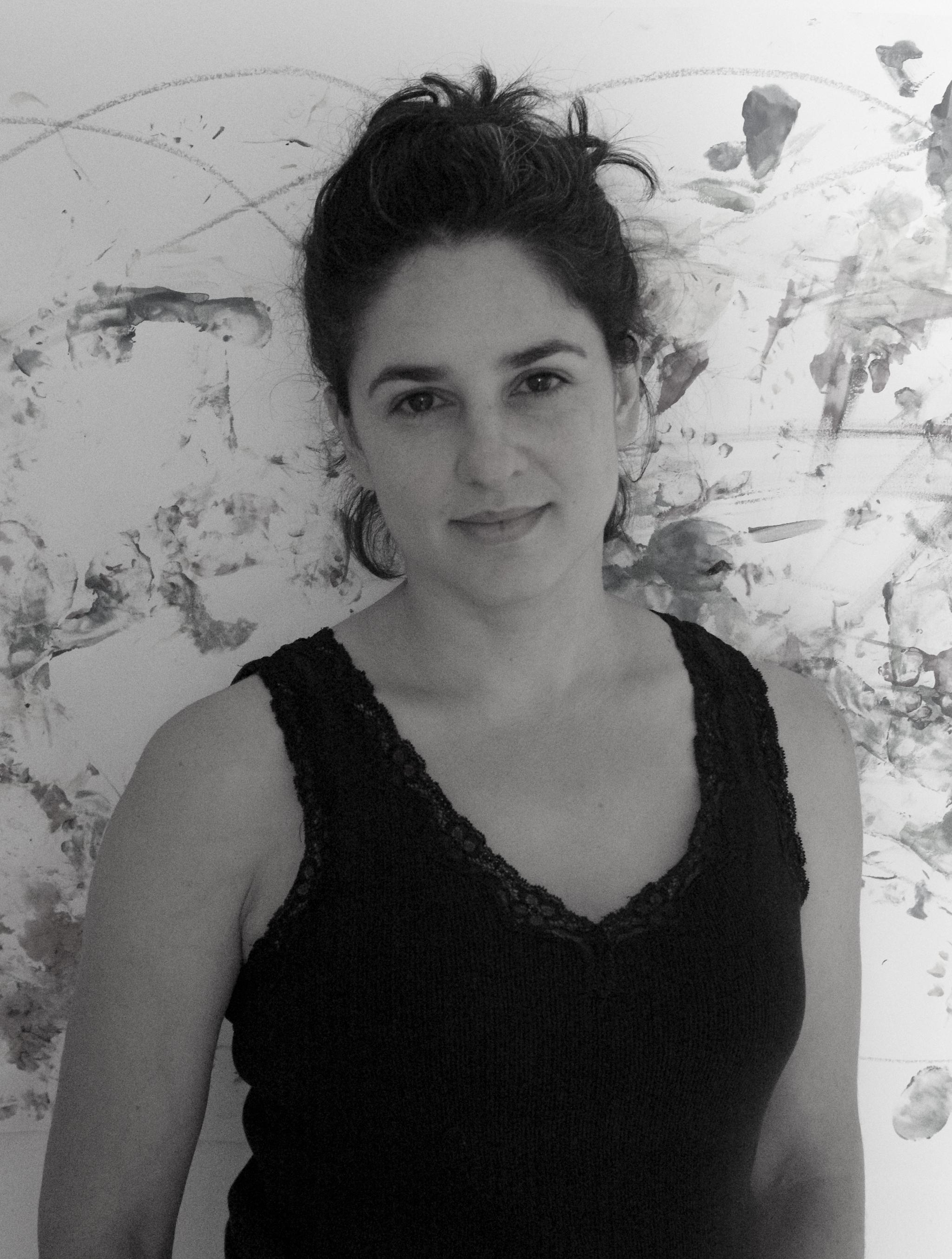
Julia Sauma
j.sauma (@gold.ac.uk)
Julia's work investigates how collective life is maintained within and against violent extractive structures.
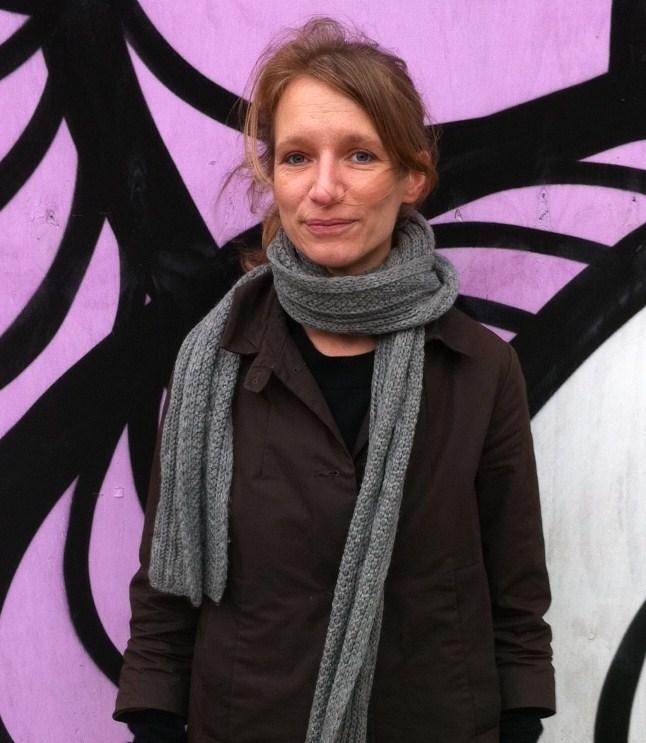
Dr Pauline von Hellermann
p.vonhellermann (@gold.ac.uk)
Combining historical and political ecology perspectives, Pauline researches the landscapes and politics in Africa.
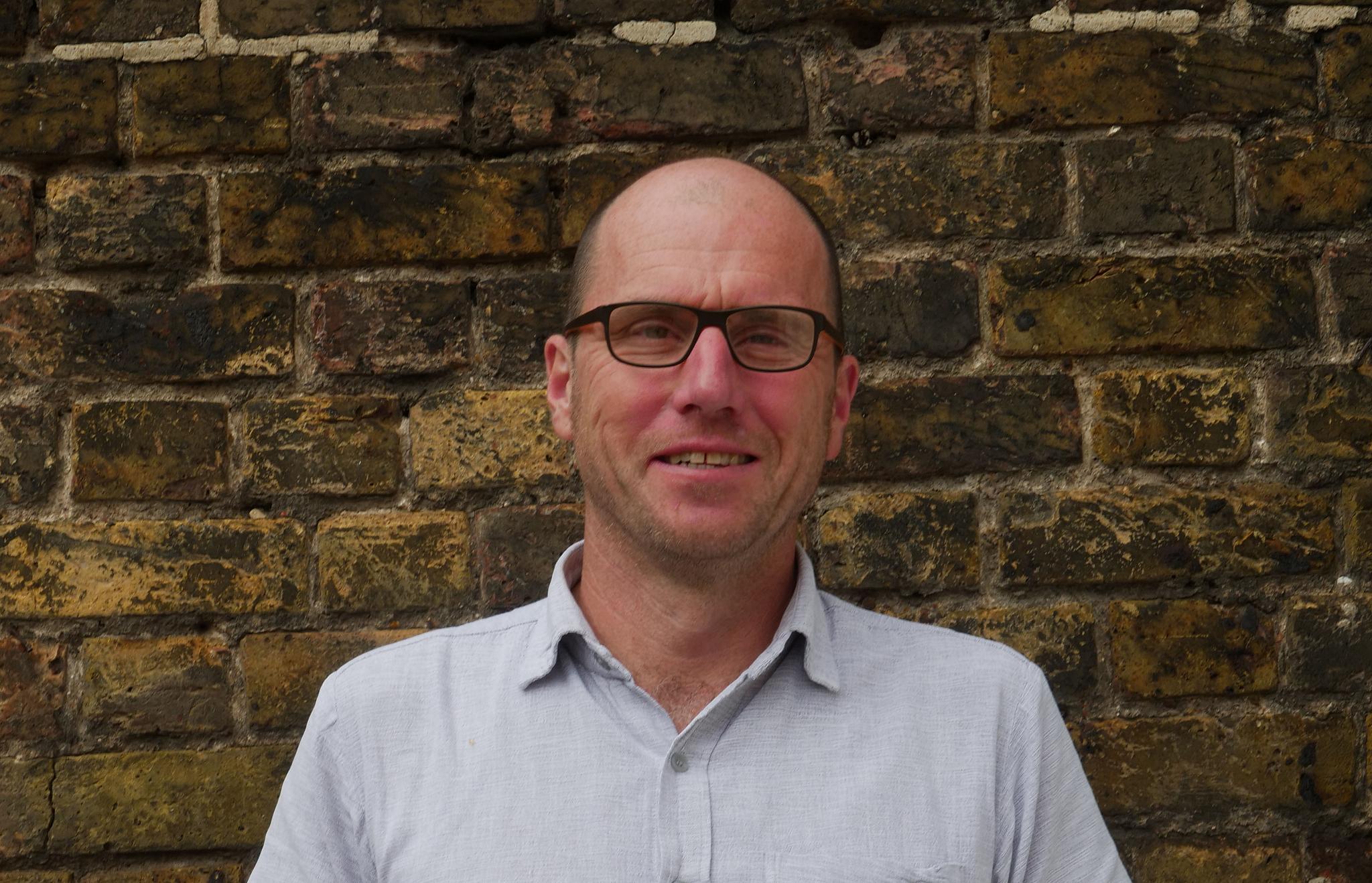
Dr Martin Webb
m.webb (@gold.ac.uk)
Active citizenship, ethical politics, transparency and accountability, urban governance, citizen-state interfaces.
.jpg)
Dr Martyn Wemyss
m.wemyss (@gold.ac.uk)
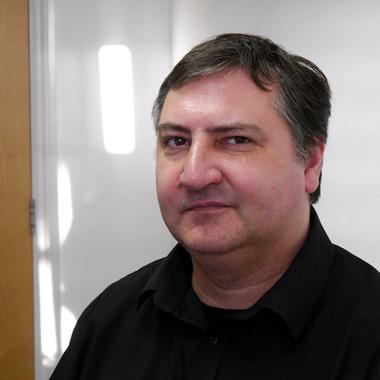
Dr Justin Woodman
j.woodman (@gold.ac.uk)
Justin’s interests are in speculative fiction, popular culture and racism and extremism within cultures of conspiracy.
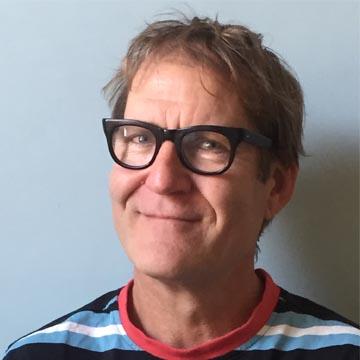
Dr Chris Wright MA, PhD
c.wright (@gold.ac.uk)
I am a visual anthropologist and artist and I’m concerned with the politics and aesthetics of representation.
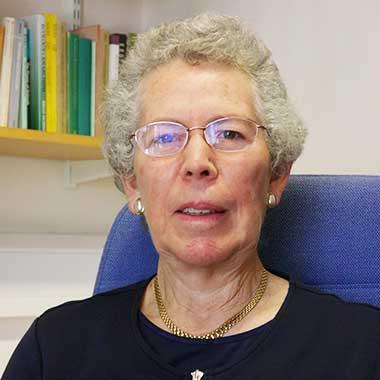
Professor Jean Besson MA PhD
j.besson (@gold.ac.uk)
Jean has researched in the Caribbean, publishing on cultural history, peasantry, land, law and development.
.jpg)
Professor Sophie Day MA PhD
s.day (@gold.ac.uk)
I work on health - or living – as a distributed and a distributive process.
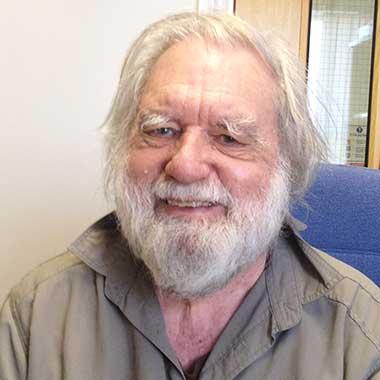
Professor Brian Morris BEd PhD
b.morris (@gold.ac.uk)
Brian has published on the anthropology of religion, conceptions of the self and on herbalism in Malawi.
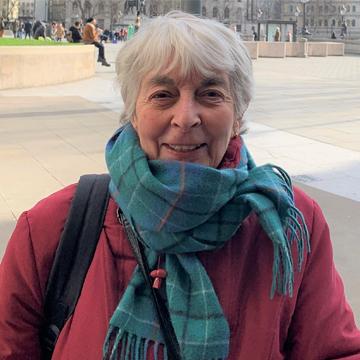
Professor Pat Caplan MA PhD
p.caplan (@gold.ac.uk)
A founding member of the department, Pat has researched gender, social inequality and food, health and risk.
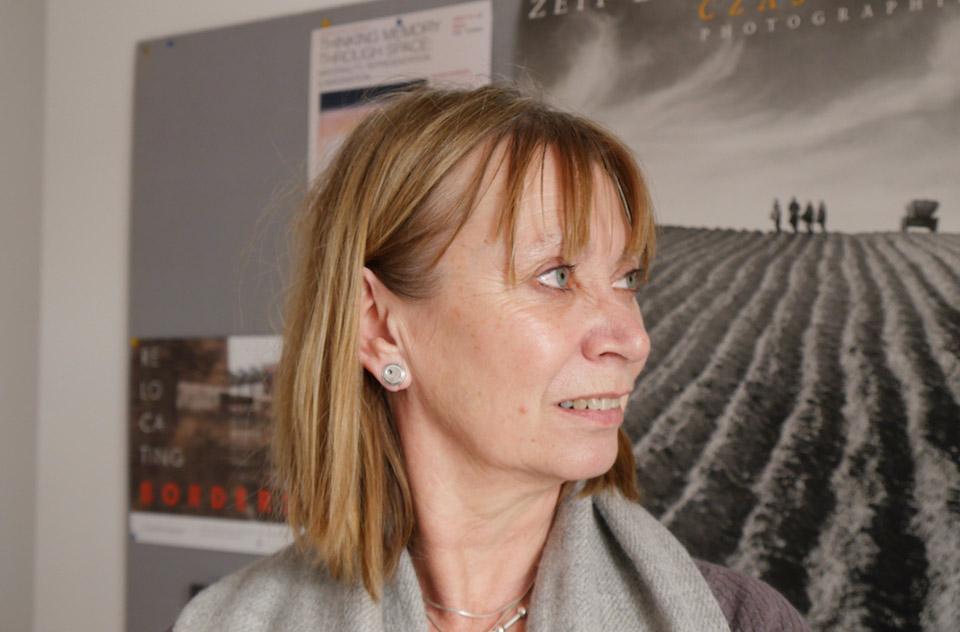
Dr Frances Pine BA, MPhil Phd
f.pine (@gold.ac.uk)
Frances’ research in eastern Europe has led to work on kinship and gender, place, history and memory, and work.
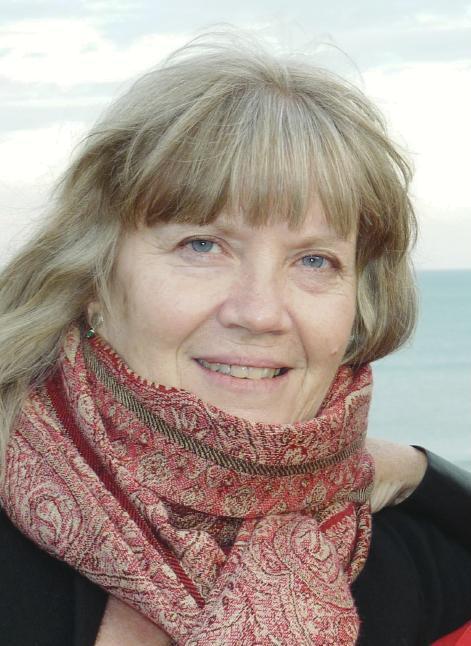
Professor Victoria Goddard BSc PhD
v.goddard (@gold.ac.uk)
Victoria has worked in the fields of economic and political anthropology, with an emphasis on gender and class.
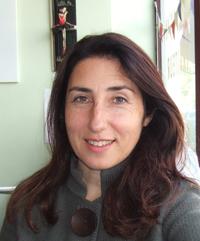
Professor Emma Tarlo
e.tarlo (@gold.ac.uk)
Emma specialises in the anthropology of material culture with reference to dress, fashion, textiles, the body and hair.