Our Programmes in CRA
Study in our MA or or join our practice-led MPhil/PhD programme.
Primary page content
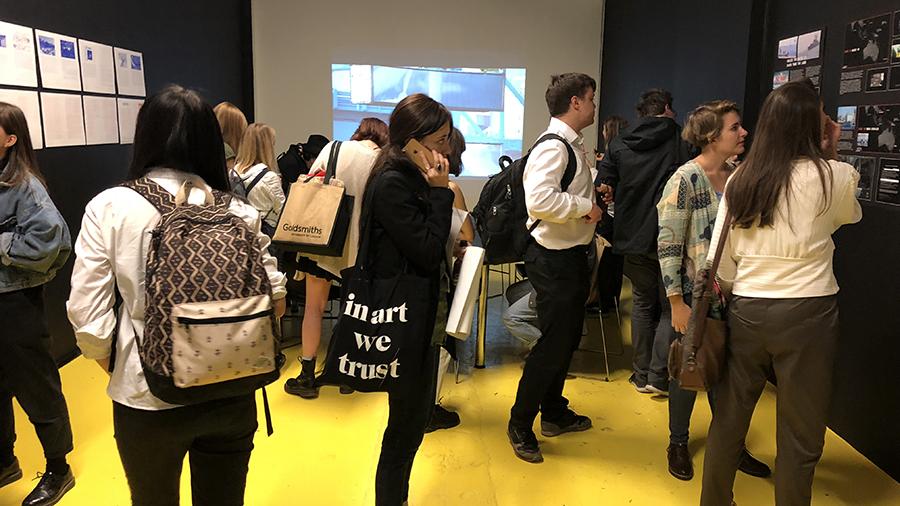
MA in Research Architecture
How can spatial practice engage with questions of contemporary culture, politics, media, ecology, and justice? This innovative programme brings together MA students from a wide variety of cultural and educational backgrounds, and from a diverse range of disciplines to address such questions.
The Centre offers an alternative to traditional postgraduate architectural education through a unique studio-based environment that investigates the urgent political conditions of our time through a combination of fieldwork, theoretical enquiry, and forms of creative practice. The MA culminates in a single major spatial investigation, which includes both practical and theoretical considerations and concentrates on a distinct issue, process or site.
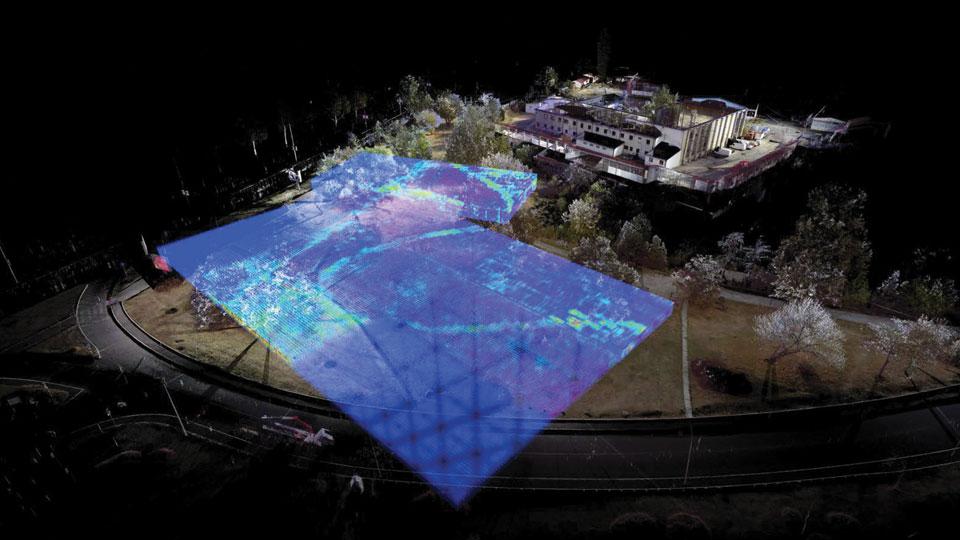
For students interested in the ground-breaking work of the Forensic Architecture agency you can elect to spend a portion of your studies working directly with the team on various aspects of their current investigations from mapping, modelling, remote sensing, and data visualisation to research and reflection.
Please note this MA is not a RIBA validated programme.
Funding
Currently, MA Research Architecture offers a tuition fee waiver of £5,000 for full-time or part-time students of the programme. Learn more about the MA Research Architecture scholarship.
The following are some of the key grants available for this MA programme, you can find more on the Scholarship Finder.
Portfolio
Please upload a PDF of relevant projects including links to online work or websites. You can also include written examples in your portfolio; this option supports those applying from non-practice based backgrounds. Select examples that best represent your skills, experiences, and future research directions.
MPhil/PhD in Research Architecture
The MPhil/PhD programme is aimed at practitioners of architecture and other related practices who would like to develop a sustained multi-year practice-led research project. It allows you to produce intensive, rigorous, and scholarly research as well as to further elaborate your own practice.
The programme is around bi-weekly PhD seminars as well as six annual Roundtable seminars at which students present their research alongside invited guests who bring relevant scholarly knowledge and practices into the Centre. Together these activities combine to create a common conceptual ground for practice and research.
Funding
ERSC/SENSS Doctoral Studentships
For applicants wishing to apply to the South and East Network of Social Sciences funding scheme please make sure that you have both been offered and have accepted a place in the Centre's PhD programme by early November prior to the broader SENSS application deadline that follows in January of the next year as you will need to work with an approved supervisor in developing the studentship application.
Graduate School Grant
Funding to assist Goldsmiths' doctoral researchers with research-related expenses crucial for the successful culmination of their PhD.
Past Guests
Kathryn Yusoff, Farzin-Lotfi Jam, Bahar Noorizadeh, Joshua Castellino, Rosemary Grennan, Alessandro Ludivico, Xenia Chiaramonte, Valentina Azarova, Noemi Magugliani, Lukáš Likavčan, Eduardo Castillo-Vinuesa, Marina Otero Verzier, Shela Sheikh, James Parker, David Wengrow, Adam Bobbette, The Otolith Group, Radha D’Souza, Thomas Keenan, Adrian Lahoud, Lumumba Di-Aping, Arun Agrawal, Nadine El-Enany, Suhail Malik, Brenna Bhandar, Dilip da Cunha, Cooking Sections, Marco Ferrari, Laleh Khalili, Kader Attia, Ariella Aïsha Azoulay, Astrida Neimanis, Radhika Subramaniam, Louise Amoore, Lawrence Abu Hamdan, Ross Exo Adams, Christina Sharpe, Esther Leslie, Heather Davis, Sandi Hilal, Alessandro Petti, Jussi Parikka, Jennifer Gabrys, Zygmunt Bauman, Rob Nixon, James C. Scott, James Bridle, Jonas Staal, Michel Feher, Trevor Paglen, Laura Kurgan, Graham Harman, Bruno Latour, Hito Steyerl, Sandro Mezzadra, China Mieville, Avery Gordon, Pelin Tan, Adi Ophir, Michael Taussig, Stefano Harney, Keller Easterling, AbdouMaliq Simone, TJ Demos, Alberto Toscano, Michel Agier, Ursula Biemann, DAAR and many others.