BA (Hons) Social Science, Community Development & Youth Work
Content navigation menu
Why study BA Social Science, Community Development & Youth Work at Goldsmiths
Challenging, dynamic and interactive, this programme is ideal if you have experience of community and youth work and it gives you opportunities for critical reflection and exploration of recent developments in the field.
- Combining academic study in the social sciences with fieldwork placements, this programme will enable you to develop as a youth and community development worker equipped for the challenges of the 21st century.
- The programme is underpinned by a commitment to social justice and equalities, and provides opportunities to specialise in areas such as youth offending, conflict transformation, international development and community enterprise.
- You'll undertake placements in several community and youth work settings, and will gain invaluable experience that will enhance your employability.
- The degree can lead to careers in the broad community development, community and youth work field in statutory, voluntary and independent sectors.
- Our lecturers have extensive experience in the community and youth work sector, and work closely with you to maximise your potential.
- You'll learn how to analyse relevant theoretical concepts and social policies, and how to link them to practical situations and your personal practice.
- You'll attend a three-day residential module in the January of the first year, where you'll get to know other students and staff, while participating in programmed activities.
- Teaching methods encourage student participation and include lectures, seminars, group and individual tutorials, group work training meetings, workshops and practical exercises.
Contact
If you have specific questions about the degree, contact Lara Paquete Pereira , Andy Turner
UCAS code
L530
Entry requirements
A-level: CC
BTEC: MPP
IB: Successful completion
Length
3 years full-time
Fees
Home - full-time: £9790
International - full-time: £22000
School
Subject
Social, Individual and Community Wellbeing
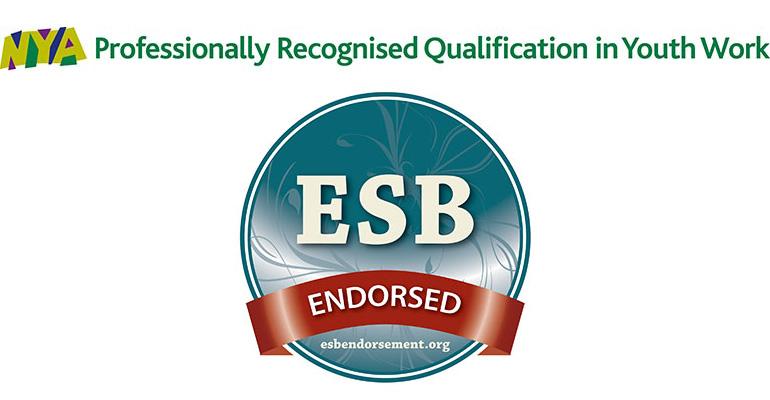
The degree is professionally recognised by the National Youth Agency (NYA) and endorsed by the Endorsement and Quality Standards Board for Community Development Learning.
What you'll study
In the first year you take the following modules:
| Module title | Credits |
|---|---|
| Introduction to Social Work, Community Development, and Youth Work | 15 credits |
| Group Work | 15 credits |
| Introduction to Applied Social Science Research | 15 credits |
| Fieldwork Practice I | 30 credits |
| Race, Racism and Professional Practice | 15 credits |
| Introduction to Social Science | 15 credits |
| Identity, Agency & Environment 2 | 15 credits |
Note about optional modules (if available): The above is indicative of the typical modules offered, but is not intended to be construed or relied on as a definitive list of what might be available in any given year. The module content and availability is subject to change.
Teaching style
This programme is taught through a mixture of lectures, seminars and workshops. You’ll also be expected to undertake a significant amount of independent study. This includes carrying out required and additional reading, preparing topics for discussion, and producing essays or project work.
How you'll be assessed
You’ll be assessed through a combination of coursework, assignment, presentation, dissertation, self-reflection reports and portfolio.
Learn industry-standard digital skills
We are an Adobe Creative Campus. During your studies, you will be able to use Photoshop, Premiere Pro, Illustrator and more for free on your own devices.

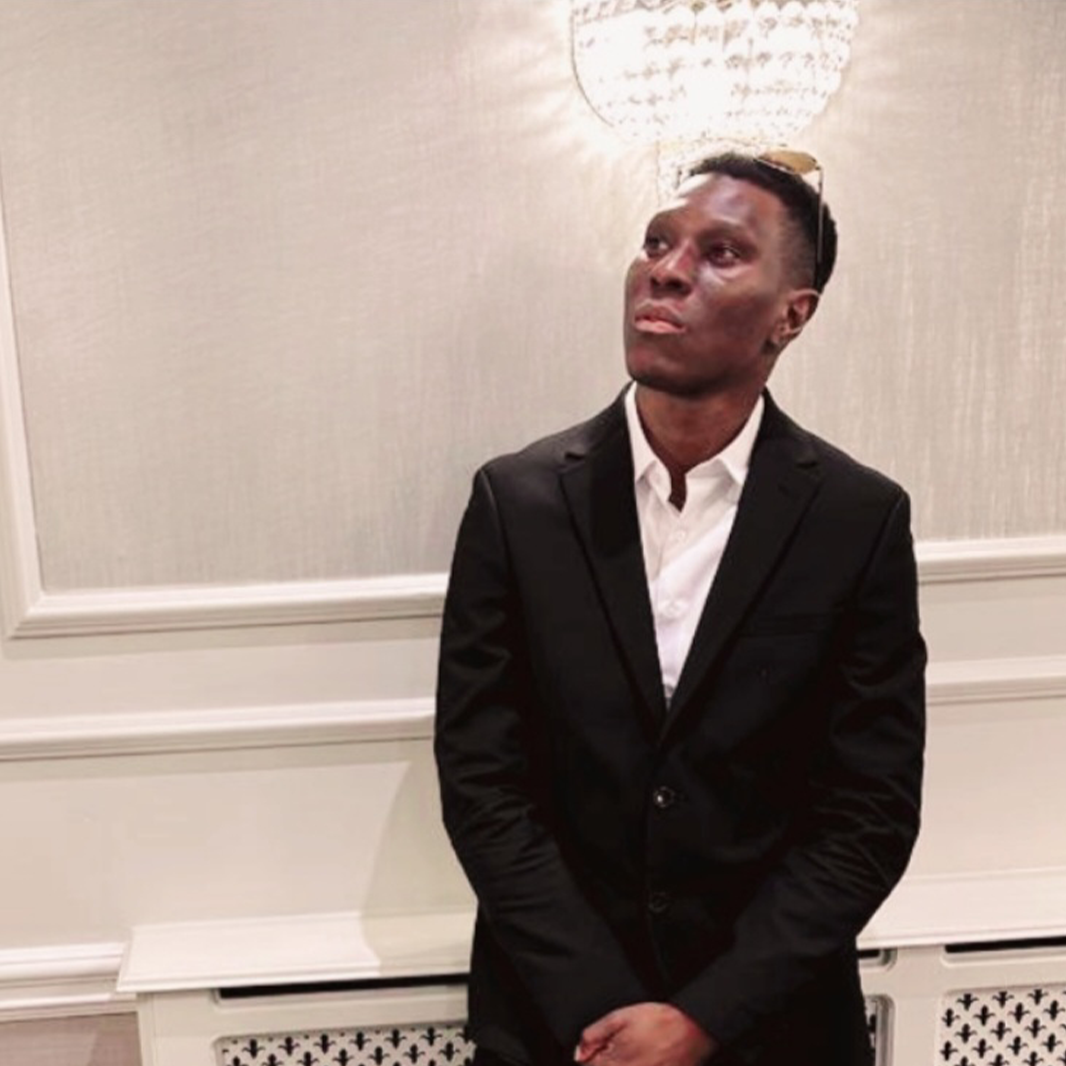
What our students say

Entry requirements
We accept the following qualifications:
A-level: CC
BTEC: MPP
International Baccalaureate: Successful completion
Access: Pass with 45 Level 3 credits including a number of distinctions/merits in subject specific modules
Scottish qualifications: CCCCC (Higher) or CC (Advanced Higher)
European Baccalaureate: 60%
If you can't find your qualification here, then please visit our entry requirements page for a list of alternative qualifications.
Additional requirements
You'll also need
- One year's full-time (or two years' part-time) work experience (paid or voluntary) in a related field
- Evidence of academic achievement at Level 3 (A-level) standard; preferably two A-level passes or equivalent and three GCSE passes or equivalent.
- To fulfil our fitness to train requirements
In some cases, it may be possible to admit applicants on the basis of practical experience alone, provided that evidence of this experience is presented at interview.
Alternative qualifications
See our full list of undergraduate entry qualifications.
We welcome students with a range of educational experiences. If you believe you may not meet the standard qualification requirements we would still encourage you to apply because we consider all aspects of your application when making a decision.
We’ll pay particularly careful attention to your personal statement, which is your opportunity to demonstrate your interest in the subject you’ve applied for. Your referees are also welcome to include any relevant contextual comments around your academic achievements. We’ll look at all these things when making a decision on your application, as well as your qualifications and grades.
International qualifications
We also accept a wide range of international qualifications. Find out more about the qualifications we accept from around the world.
If English isn’t your first language, you will need an IELTS score (or equivalent English language qualification) of 6.0 no element lower than 5.5 to study this programme. If you need assistance with your English language, we offer a range of courses that can help prepare you for degree-level study.
Fees and funding
Annual tuition fees
These are the UG fees for students starting their programme in the 2026/2027 academic year.
- Home - full-time: £9790
- International - full-time: £22000
If your fees are not listed here, please check our undergraduate fees guidance or contact the Fees Office, who can also advise you about how to pay your fees.
It’s not currently possible for international students to study part-time if you require a Student Visa, however this is currently being reviewed and will be confirmed in the new year. Please read our visa guidance in the interim for more information. If you think you might be eligible to study part-time while being on another visa type, please contact our Admissions Team for more information.
If you are looking to pay your fees please see our guide to making a payment.
Funding opportunities
We offer a wide range of scholarships and bursaries, and our Careers Service can also offer advice on finding work during your studies. Find out more about funding your studies with us.
Additional costs
In addition to your tuition fees, you'll be responsible for any additional costs associated with your course, such as buying stationery and paying for photocopying. You can find out more about what you need to budget for on our study costs page.
There may also be specific additional costs associated with your programme. This can include things like paying for field trips or specialist materials for your assignments. Please check the programme specification for more information.
Careers
On successful completion of the programme you will be awarded a BA (Hons) degree in Social Science, Community Development and Youth Work; a professional qualification recognised by the National Youth Agency (NYA) and the Joint Negotiating Committee for Youth and Community Workers (JNC).
The programme can lead to careers in the broad community development, community and youth work field in statutory, voluntary and independent sectors. Former students have gone on to work as:
- Managers and staff in community projects
- Youth officers
- Community development workers
- Substance misuse workers
- Youth workers in a range of settings, including schools and youth offending teams
- Learning mentors
They have also worked in the following areas:
- International development projects
- Setting up their own projects and organisations
- Community cohesion projects
- Multi-faith work
- Community work
- Innovative projects within schools
- Community arts projects
- Youth offending teams
- Field of conflict transformation
Skills
The programme will give you practical experience in several community and youth work settings – having this real-world experience will set you apart in the job market. In addition you will develop the following transferable skills:
- Critical analysis of theoretical concepts
- Critical reflection
- Teamwork
- Organisational skills
- Motivation
- Research methods
Find out more about employability at Goldsmiths.