The first Alchemy Festival: celebrating creativity, community and change
Primary page content
The first Alchemy Festival brought together artists, students, young people and community partners to celebrate almost a decade of creativity, collaboration and youth work at Goldsmiths.
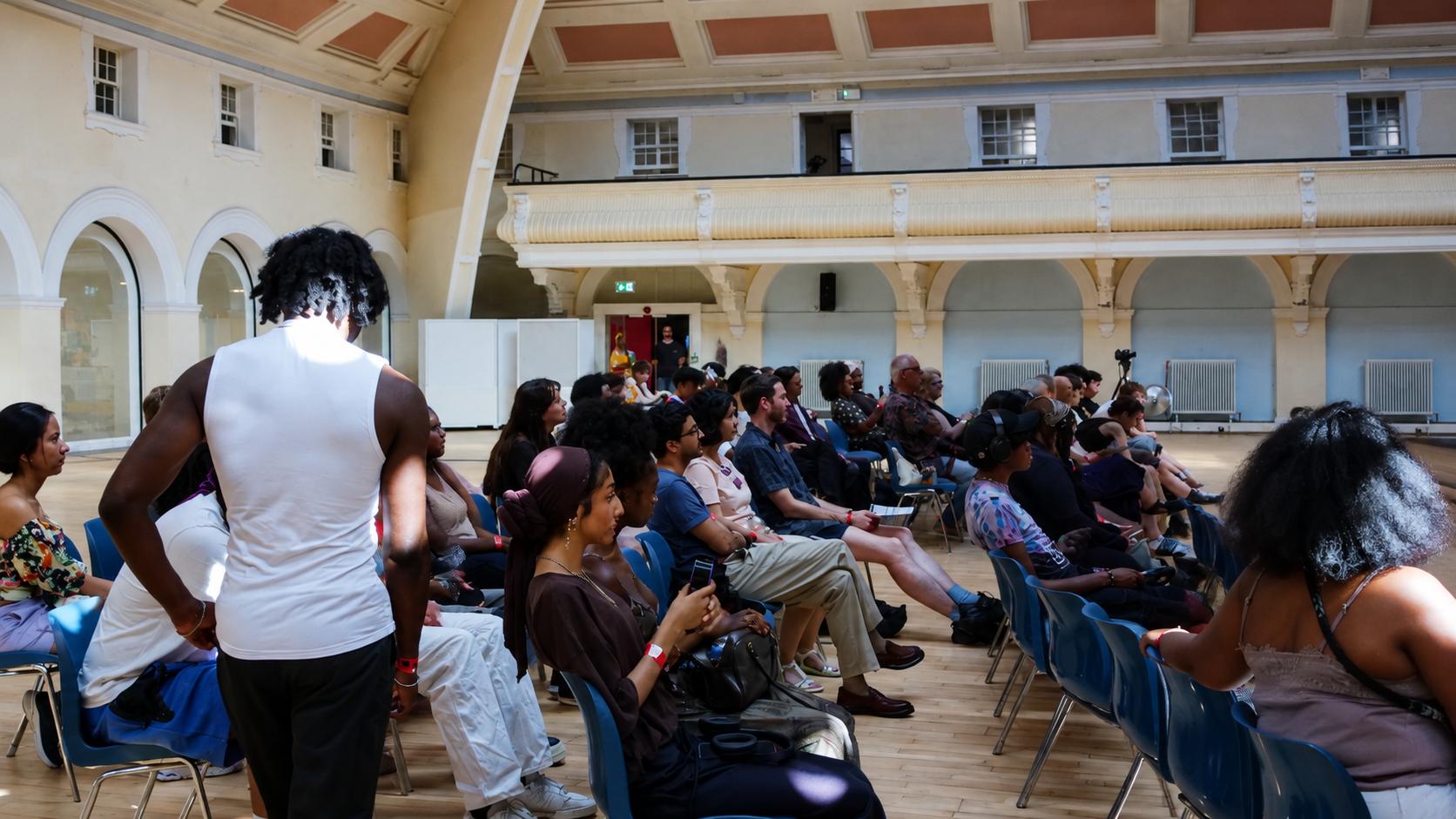
The first Alchemy Festival brought together artists, students, young people and community partners to celebrate almost a decade of creativity, collaboration and youth work at Goldsmiths. Image: Azulible
“Alchemy opened the door for me. I never thought it would be possible.” - Omar Elsaaidi, BA (Hons) Social Science, Community Development & Youth Work student
Omar's story was one of many celebrated at the first-ever Alchemy Festival, which brought together more than 40 artists, young people, students, staff and community partners to celebrate almost a decade of creativity, youth work and community collaboration at Goldsmiths.
Hosted on Saturday 11 July, the festival featured live music, spoken word, theatre, workshops, exhibitions and film, alongside the Alchemy Thinking symposium, where participants, artists, youth workers and educators reflected on the programme’s evolution and impact.
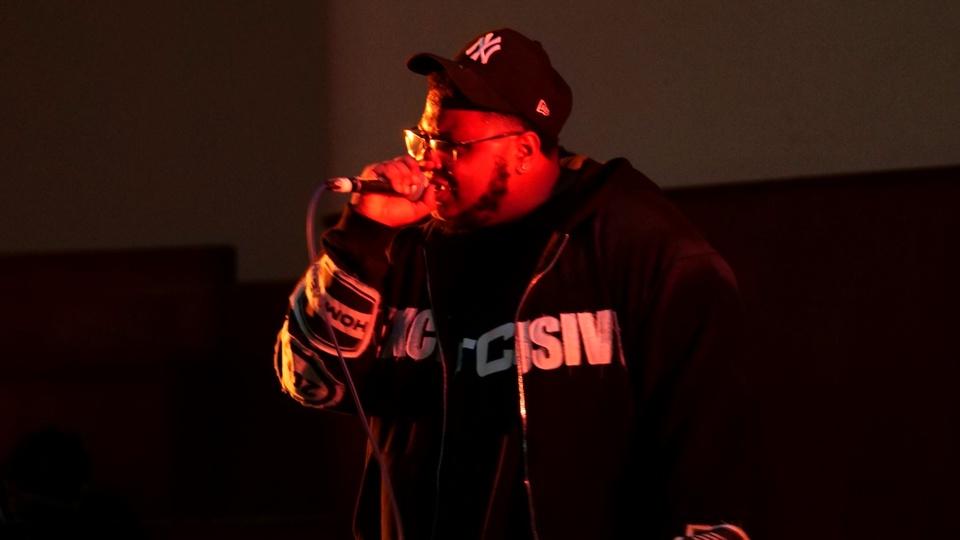
Omar, " Refrain": An Alchemy Master and artist who shared original work inspired by their own experiences, identities and creative journey. Image: Azulible
But as the day’s conversations made clear, Alchemy has never been only about music. It is about creating a space where young people can build confidence, develop their creativity, form lasting relationships and discover new possibilities for themselves and others. Mikey Kirkpatrick, Director of Alchemy said:
'The Alchemy festival was the first time we really opened the doors to show what Alchemy is all about, through dialogue, film, an exhibition, a book publication, and original live music and spoken word. Every Saturday at Goldsmiths I am privileged to witness the alchemy of combining creativity and youth work, collaborating with an incredible diverse team and community of local young people. The music brings us together, and music teaches us how to listen - which is fundamental for creativity, care, youth work, and problem solving together. I am so proud of the Alchemy team and artists, and grateful to everyone who has and continues to make this programme possible... and I look forward to seeing what we can achieve in our 10th year of Alchemy'.
Every Saturday
Alchemy began in 2017 when Goldsmiths Music alumnus, Associate Lecturer and artist Mikey Kirkpatrick responded to a request from local school Addey & Stanhope to support a group of young people through music. What began with 15 participants has grown into a programme connecting schools, community organisations, artists, youth workers, students and academics across south-east London.
Looking back, Mikey describes Alchemy not as a fixed programme but as an ongoing conversation.
“It was a question. An opening. Not just:
What do you want to do?’ but ‘What do you want to do today? Where are you today?’...and doing all we can to support the needs, vision and ideas of the local young community, making sure they are listened to”
Mikey Kirkpatrick, Director, Alchemy and Lecturer, Education Studies
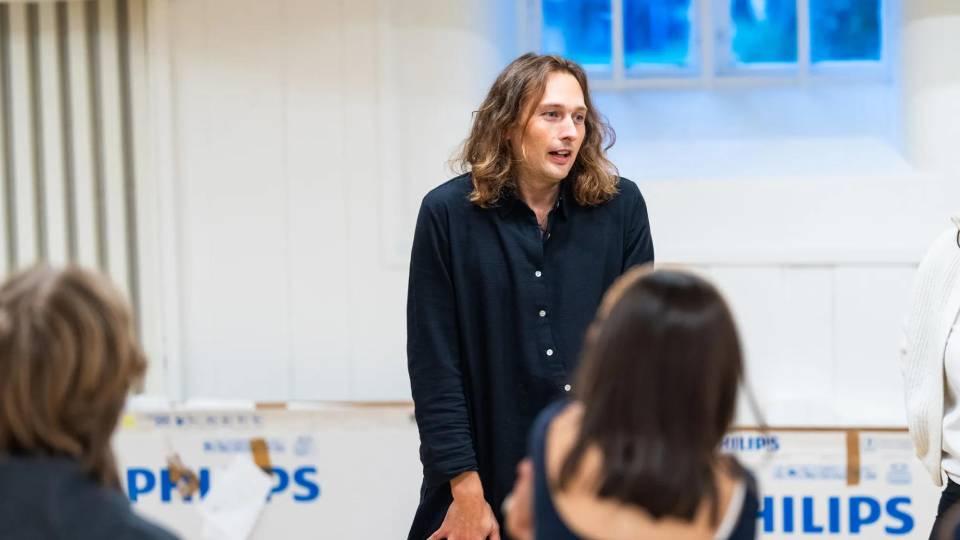
From the beginning, Alchemy has been shaped as much by youth work and community practice as by music itself. One of the people who has grown alongside the programme is Lara Paquete Pereira, who first joined Alchemy as a placement student before becoming a lead youth worker and now lectures in Goldsmiths’ Department of Social, Therapeutic and Community Studies. Her journey reflects one of Alchemy’s defining characteristics: participants and practitioners growing with the programme itself.
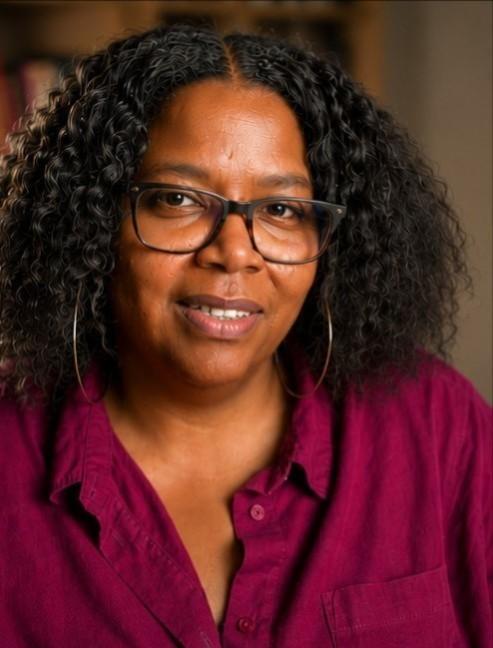
Reflecting on what makes Alchemy distinctive, Lara says:
“What is particular to Alchemy is the deep listening that takes place. From a youth work perspective, deep listening is not static; it is followed by action.”
Lara Paquete Pereira, Co-convener and Lecturer in Community Studies
Finding a voice
Throughout the symposium, led by Goldsmiths Social, Therapeutic and Communities student Seyi Keyamo, participants returned repeatedly to the idea of voice: finding it, strengthening it and using it to support others.
For Omar, Alchemy transformed how he saw himself. Before joining the programme, he described himself as “a very confused young individual”, navigating uncertainty and instability in his life. Today, he helps lead projects and support others.
“Whereas before I was very much the person waiting for someone else to do it, now it’s kind of like, I’ll go first. I don’t mind. I’ll be the guinea pig. Alchemy has given me that confidence now to just be like, any challenge, let’s go.”
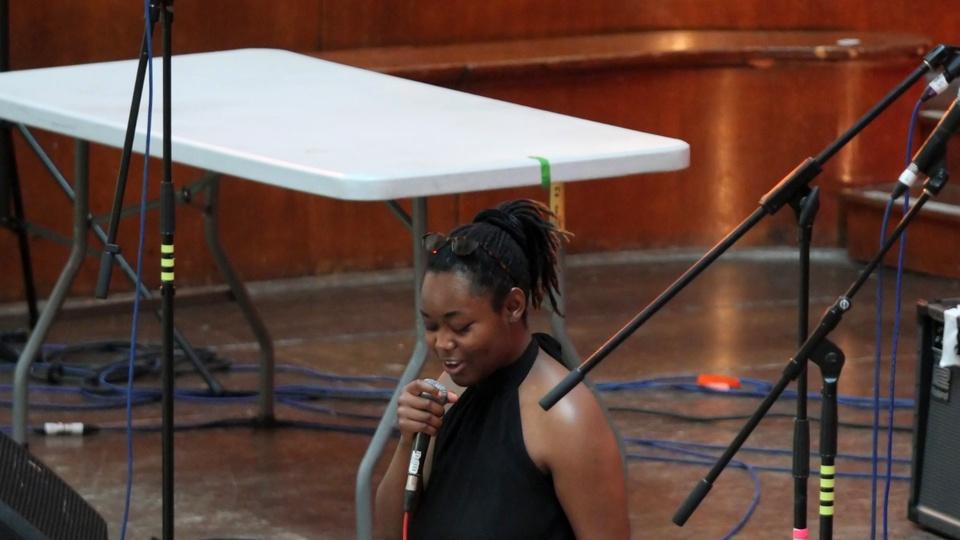
Poetry and spoken word sat alongside live music, theatre and film, celebrating the diversity of creative voices within the Alchemy community. Image: Zoe, by Azulible
For Angel, who joined Alchemy at 13 and is now preparing to study youth work at Goldsmiths, creativity became a new way of expressing herself.
“I felt like I needed to do something else other than express my emotions through fighting. I don’t have to express myself physically. I can do it with words.”
Others described finding a place where they could develop creatively without judgement. Zoe, now a sound designer and former Alchemy participant, reflected on feeling overlooked at school and struggling within systems shaped by assessment and predetermined criteria.
“Alchemy is kind of a safe haven for my creativity. I can just create without feeling the pressure to adhere to something.”
More than music - creativity, relationships and belonging
If music provided the soundtrack to the festival, the conversations revealed something deeper about the programme itself.
Again and again, participants spoke about relationships, trust and belonging. They described a place where creativity could flourish because they felt listened to, encouraged and challenged in equal measure.
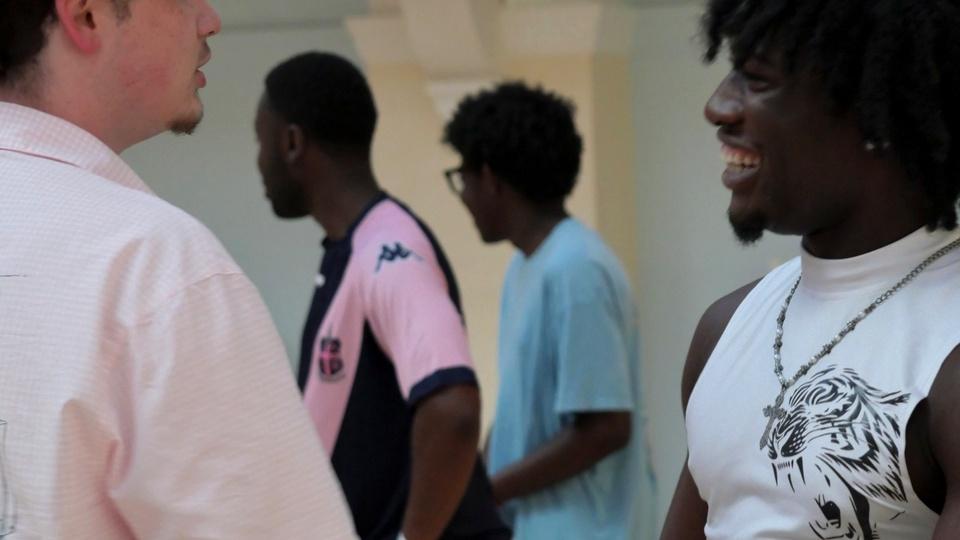
Conversations, friendships and creative collaborations developed throughout the festival, reflecting Alchemy's emphasis on community as well as performance. Image: Azulible
For spoken-word artist, mentor and undergraduate community studies student, Rofeda, that sense of belonging proved transformative.
"I think my journey through Alchemy has been finding a sense of family."
During the symposium, she reflected on how the programme had helped her understand herself and develop confidence. Saturdays at Alchemy, she said, felt like "your Sunday dinner with family" – somewhere she could return each week knowing she would be heard, supported and understood.
Others described discovering strengths they hadn't recognised in themselves before.
As Omar put it:
"Alchemy gave me a compass. Something like a true north. It helped me realise who I was, what mattered to me and the kind of future I wanted to build."
Reimagining the institution
The symposium’s title, Alchemy Thinking: Reimagining the Institution, reflected a larger question running through many of the discussions: what becomes possible when universities and communities work together differently?
Today, Alchemy brings together Goldsmiths’ Widening Participation team, the Department of Social, Therapeutic and Community Studies, the Music Department, students, local artists and community practitioners. Participation remains free, creating opportunities that might otherwise be inaccessible to many young people.
We are very grateful for the support of Sir Vernon Ellis and the University of London Convocation Fund for their very generous support for a programme that demonstrates what can happen when a university opens its spaces, expertise and opportunities to the communities around it, while allowing those communities to shape the institution in return.
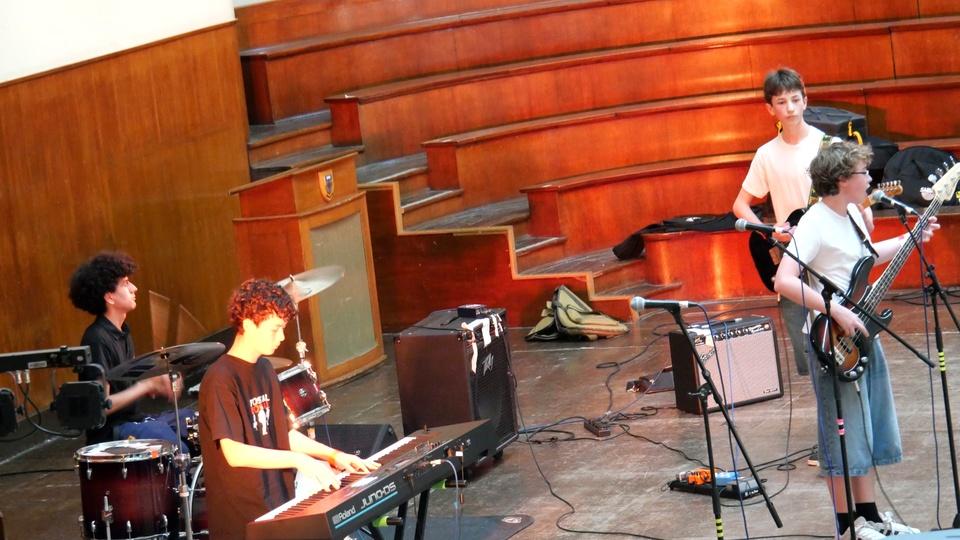
Live music ran throughout the day, showcasing emerging musicians alongside established artists and community performers. Image: Blue Brick House, Azulible
Reflecting on the programme’s ethos, poet and facilitator Yasmin (Y.A) described the importance of creating spaces where young people can simply be themselves.
“What happens if we create a space where, in that moment, you’re allowed to be you? That is enough.”
Growing the next generation
One of Alchemy’s most distinctive features is the way participants often return in new roles.
Many first arrived as teenagers looking for somewhere to make music. Now many are mentors, facilitators, youth workers, artists and Goldsmiths students, helping support the next generation of participants.
Lara’s journey from placement student to lecturer and now PhD student, is one example. Omar’s progression from participant to mentor and student is another. Angel is preparing to study youth work herself, continuing a tradition of young people shaping the future of the programme that first supported them.
Together, their stories illustrate how Alchemy creates pathways not only into creative practice, but also into leadership, education and community action.
Reflecting on the programme’s ethos, poet and facilitator Yasmin (Y.A) described the importance of creating spaces where young people can simply be themselves.
“What happens if we create a space where, in that moment, you’re allowed to be you? That is enough.”
Growing the next generation
One of Alchemy’s most distinctive features is the way participants often return in new roles.
Many first arrived as teenagers looking for somewhere to make music. Now many are mentors, facilitators, youth workers, artists and Goldsmiths students, helping support the next generation of participants.
Lara’s journey from placement student to lecturer and now PhD student, is one example. Omar’s progression from participant to mentor and student is another. Angel is preparing to study youth work herself, continuing a tradition of young people shaping the future of the programme that first supported them.
Together, their stories illustrate how Alchemy creates pathways not only into creative practice, but also into leadership, education and community action.
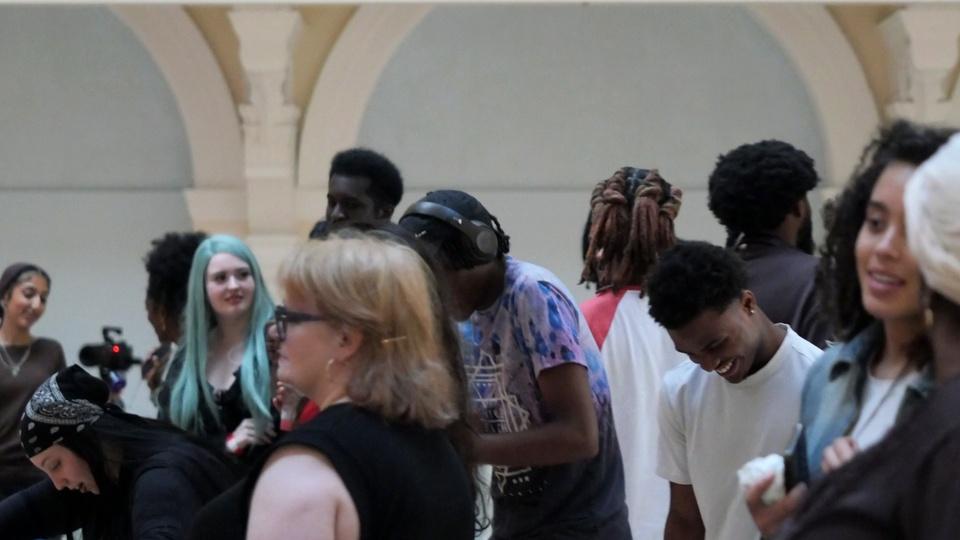
Audiences of all ages took part in performances, workshops and discussions exploring music, creativity and social change.Image: Azulible
Looking ahead
The first Alchemy Festival marked an important milestone, not because it represented the end of a journey, but because it offered a rare opportunity to see the full breadth of a programme that has been evolving week by week for almost ten years.
Throughout the day, audiences encountered performances, publications, conversations and creative work. Yet many of the most powerful moments came from hearing participants describe the impact Alchemy has had on their lives and the responsibility they now feel to create opportunities for others.
Reflecting on what comes next, Omar returned to a theme that ran through the entire festival: “How can we help more people?”
After almost a decade of Saturdays spent making music together, that question may be one of Alchemy’s most important legacies.
Alchemy has never been solely about creating musicians or performers.
It has been about creating the conditions in which young people can discover who they are, imagine who they might become and, in time, help others do the same.
Alchemy is a free Saturday music programme for 13-21 year olds to make music, learn to compose, record produce, sing and play instruments, jam with others, perform live, and create exciting projects. It is a chance to meet new people, work with industry professionals and unlock new opportunities.
There are also creative mentor training opportunities for 18+ year olds through the Alchemy Masters programme.