Art Professor co-initiator of acclaimed Swiss Pavillion at La Biennale
Primary page content
The Swiss Pavillion at the Venice Biennale presents ‘The Unfinished Business of Living Together.’ The team includes Professor Nina Wakeford and Goldsmiths MFA graduate Dani V Keller.
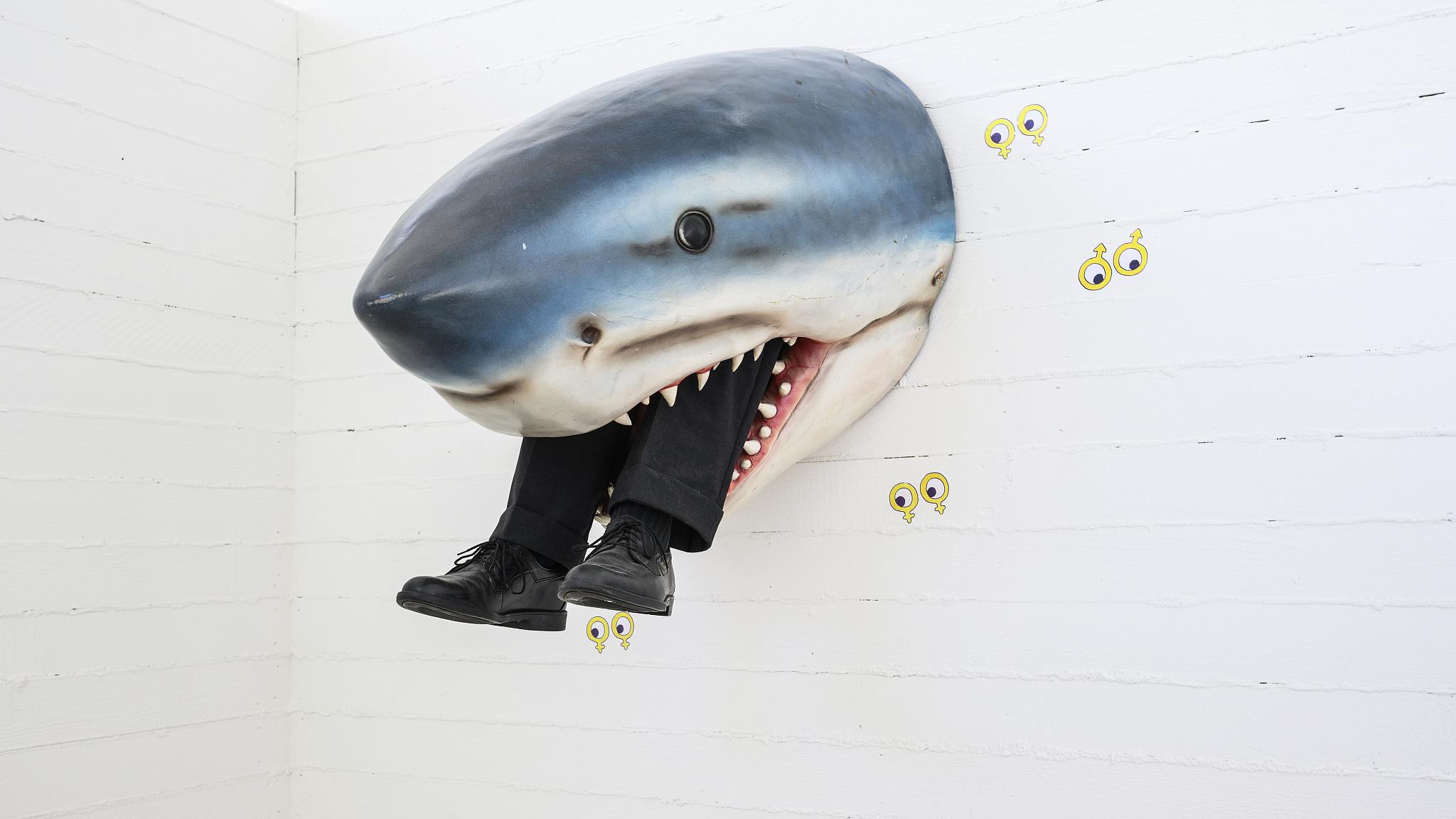
Pavilion of Switzerland at the Biennale Arte 2026, "The Unfinished Business of Living Together", photographs by Christian Beutler-Keystone
The exhibition was conceived by curators Gianmaria Andreetta, Luca Beeler, together with artist Nina Wakeford (Professor in the School of Art), and developed in collaboration with artists Miriam Laura Leonardi, Lithic Alliance, and Yul Tomatala. Swiss artist Dani V Keller, the founder of Lithic Alliance, is a Goldsmiths MFA graduate.
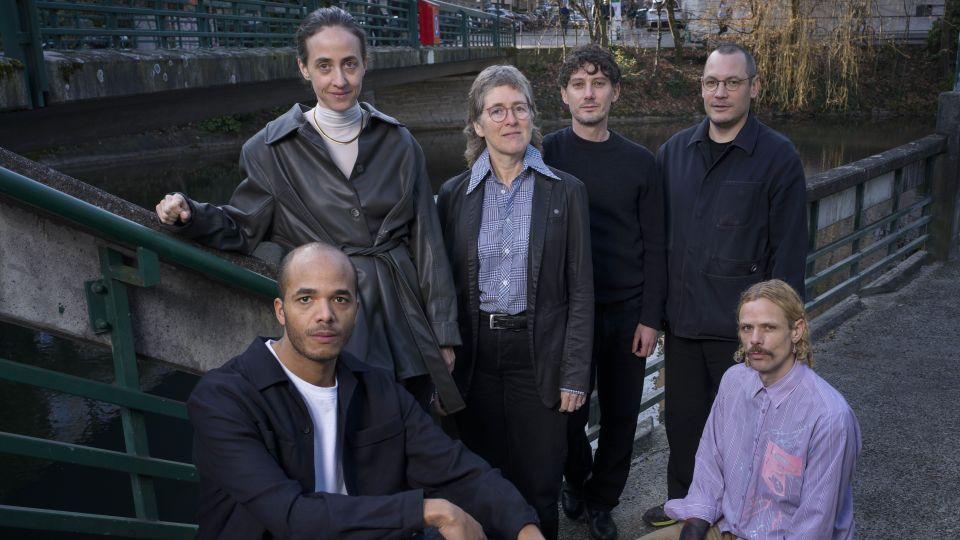
Pavilion of Switzerland at the Biennale Arte 2026, "The Unfinished Business of Living Together". Standing L-R: Miriam Laura Leonardi, Nina Wakeford, Gianmaria Andreetta, Luca Beeler. Front L-R: Yul Tomatala, Lithic Alliance.
‘The Unfinished Business of Living Together’ examines coexistence, exploring both the possibilities and frictions of living together. It uses archive materials, including 70s Swiss television footage of a controversial public debate about homosexuality and a francophone talk show from 1984 which brought together Swiss, French and Canadian audiences via satellite on the same theme. The piece reopens the archives as sites of active debate.
While the team suggest that the challenges of living together remain unresolved, attempts at creating social change compete against established norms and exclusionary systems. The team behind the Pavillion saw homosexuality as one historically specific entry point into examining how social norms determine who can speak and be heard. Revisiting these talk shows also opens up broader questions about media infrastructures.
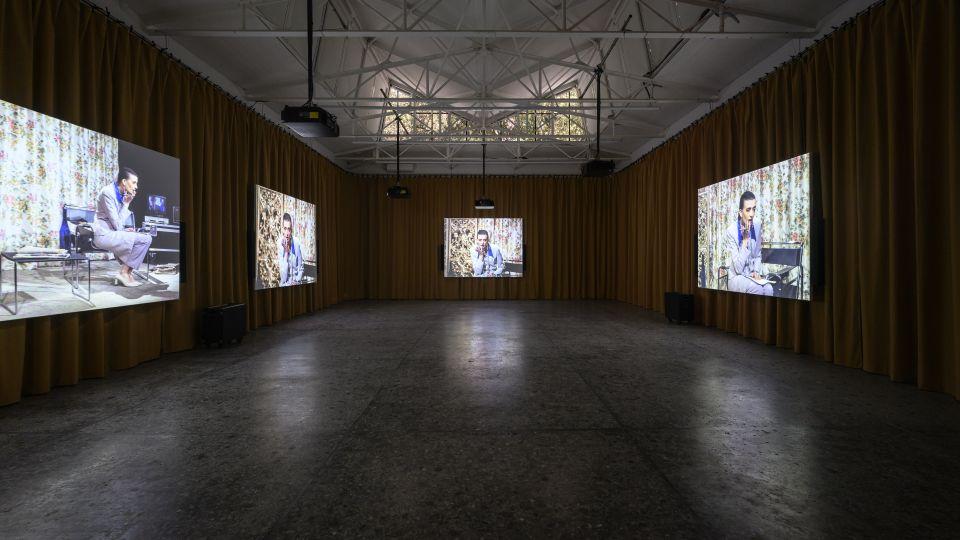
The exhibition is formed of a spatialised video production, which mixes archival footage with new images and sound, and continues into the Pavilion garden.
Contemporary art and lifestyle magazine Whitewall has named the Pavilion as one of the ten must-see national Pavilions. They highlighted “its nuanced, collaborative approach to coexistence as an ongoing and necessary negotiation, revealing how shared life is continually shaped through dialogue, tension, and the courage to remain open to difference.”
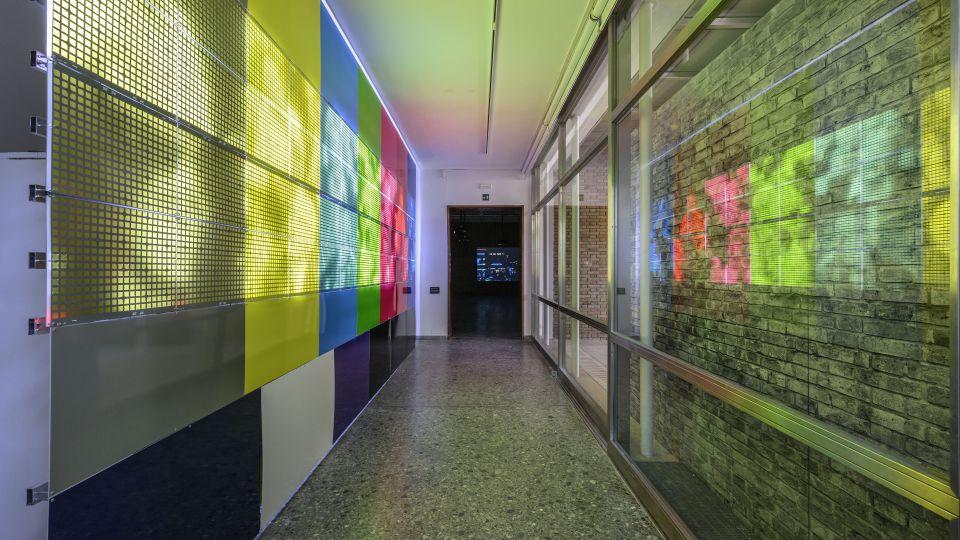
The exhibition runs until November 2026.