MA/LLM Human Rights and Social Justice
Content navigation menu
Why study MA/LLM Human Rights and Social Justice at Goldsmiths
This interdisciplinary Master’s is rooted in Goldsmiths’ strengths in critical theory and practice-based approaches to social change. Bringing together legal, sociological and critical perspectives, the programme equips you to understand, question and transform how human rights work in theory, in practice and in everyday struggles for justice.
- Choose whether to study the MA or LLM pathway, giving you the unique opportunity to specialise either in sociological approaches to human rights (MA) or in legal study (LLM). Across both pathways, you will engage with international and domestic legal frameworks and the lived realities of inequality, state violence, displacement, climate breakdown and resistance.
- Develop advanced critical knowledge of human rights and social justice through an interdisciplinary curriculum that brings together legal, sociological and critical theoretical perspectives.
- Tailor your studies to your area of interest. On both the MA and LLM pathways, you will have access to a broad range of optional modules that can help prepare you for careers in human rights law and policy, advocacy, research, activism or doctoral study.
- Engage with urgent global challenges, including migration and borders, racial capitalism, climate breakdown, state violence, tech governance and global inequality, informed by decolonial, feminist and political economy perspectives.
- Gain hands-on professional experience through practice-based clinics, applied projects and placements with NGOs, grassroots organisations and community partners, connecting academic study to real-world struggles for justice.
- Develop advanced research and communication skills used across human rights law, policy, advocacy and activism, including ethical research design, evidence gathering, writing for diverse audiences and collaborative working.
- Learn from leading scholars and practitioners in human rights and social justice, with teaching by guest lectures from activists, artists and professionals working in the field.
Contact
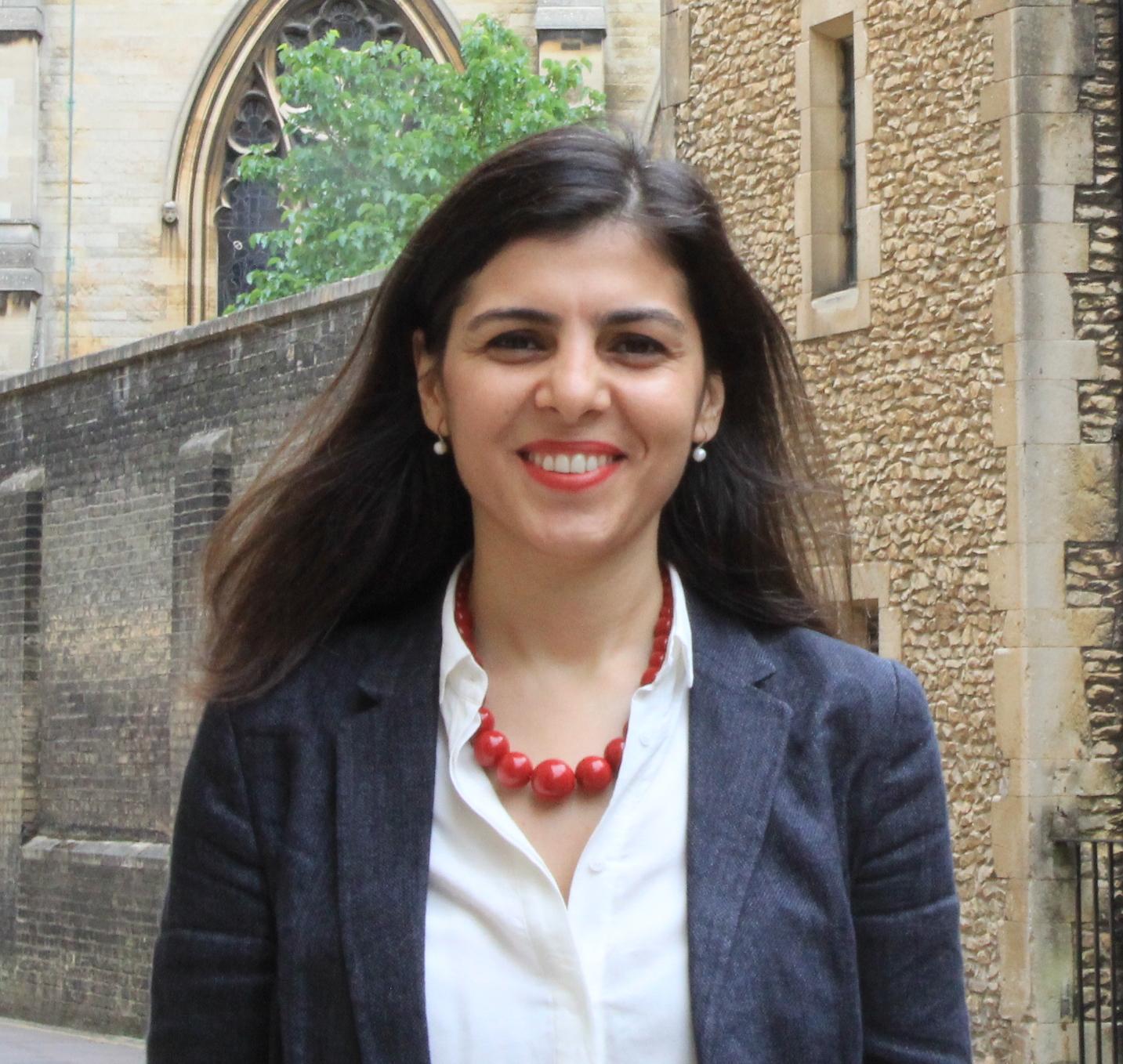
If you have specific questions about the degree, contact Dr Yesim Yaprak Yildiz (MA) , Dr Lucy Finchett-Maddock (LLM) .
Length
1 year full-time or 2 years part-time
Entry requirements
You are usually expected to have (or expect to be awarded) an undergraduate degree of at least 2:1 standard in a related subject.
Fees
Home - full-time: £11800
Home - part-time: £5900
International - full-time: £23000
School
Subjects

We are an Adobe Creative Campus. During your studies, you will be able to use Photoshop, Premiere Pro, Illustrator and more for free on your own devices.
What you'll study
Both MA and LLM students will take the following core modules in theory and research methods:
| Module title | Credits |
|---|---|
| Constructing Human Rights | 30 credits |
| Researching Human Rights | 30 credits |
| Dissertation | 60 credits |
Note about optional modules (if available): The above is indicative of the typical modules offered, but is not intended to be construed or relied on as a definitive list of what might be available in any given year. The module content and availability is subject to change.
Teaching style
Teaching on this programme combines lectures, seminars, workshops, skills labs, and supervised practice-based learning (clinic/placement), with an emphasis on research-informed, practice-led and critically engaged pedagogy.
The programme is taught by academic staff with extensive research and professional experience in human rights and social justice. Guest speakers from NGOs, legal practice and advocacy contribute across both pathways where appropriate.
How you'll be assessed
Assessment may consist of coursework, extended essays, reports, presentations, practice-based projects or essays/logs, group projects, reflective essays, and seen and unseen written examinations.
Watch videos about law at Goldsmiths
Entry requirements
Applicants will normally have a degree in law, a related social science discipline (such as criminology, politics and international relations, sociology, anthropology, media and communications, economics or psychology), or a humanities degree (such as English, history, philosophy or art).
We also accept applications from people with professional, transferrable experience. This may include previous experience working in:
- NGOs
- Charities
- Criminal justice and human rights organisations
- Journalism
- The civil service or other governmental position
Students will normally be expected to have an upper second class honours degree or its equivalent.
There is some flexibility where applicants demonstrate exceptional commitment or abilities to study for the degree because of their possession of other qualifications, or because they have relevant experiences that would qualify them for the programme.
International qualifications
We accept a wide range of international qualifications. Find out more about the qualifications we accept from around the world.
If English isn’t your first language, you will need an IELTS score (or equivalent English language qualification) of 6.5 with a 6.5 in writing and no element lower than 6.0 to study this programme. If you need assistance with your English language, we offer a range of courses that can help prepare you for postgraduate study.
Fees and funding
Annual tuition fees
These are the PG fees for students starting their programme in the 2026/2027 academic year.
- Home - full-time: £11800
- Home - part-time: £5900
- International - full-time: £23000
If your fees are not listed here, please check our postgraduate fees guidance or contact the Fees Office, who can also advise you about how to pay your fees.
It’s not currently possible for international students to study part-time under a student visa. If you think you might be eligible to study part-time while being on another visa type, please contact our Admissions Team for more information.
If you are looking to pay your fees please see our guide to making a payment.
Funding opportunities
Aziz Foundation Scholarship
Up to nine full fee waiver scholarships are available. The scholarship is open to British Muslims who are Masters offer holders with specific career aspirations, including a career in Law. Find out more about the Aziz Foundation Scholarship.
Other Goldsmiths scholarships
Explore the Goldsmiths scholarships finder to find out what other funding you may be eligible for.
Other funding sources
- If you are a UK student you may be eligible for a postgraduate loan
- Meanwhile our Careers Service can also offer advice on finding work during your studies
Paying your fees
Find out about paying your tuition fees.
Additional costs
In addition to your tuition fees, you'll be responsible for any additional costs associated with your course, such as buying stationery and paying for photocopying. You can find out more about what you need to budget for on our study costs page.
There may also be specific additional costs associated with your programme. This can include things like paying for field trips or specialist materials for your assignments. Please check the programme specification for more information.
Careers & skills
Preparing you for a successful future
The programme is designed to strengthen employability by supporting you to translate academic expertise into the competencies, networks and work experience valued across the human rights and social justice fields.
Graduates from this programme could progress to roles in:
- Local, regional or international human rights NGOs,
- Intergovernmental organisations
- Corporate social responsibility and human rights teams
- Law firms
- Activist networks
- Local authorities and UK government departments
This degree could also prepare you for doctoral study.
Throughout your degree and up to three years after, you will have access to the Goldsmiths Careers Service.
Skills
You will develop essential professional and transferable skills to take you forward in your career, such as:
- Research skills, including designing, managing and conducting research projects relevant to human rights law, policy and practice
- The ability to apply methodological skills to real‑world human rights problems
- Persuasive spoken and written skills tailored to diverse audiences and purposes
How to apply
You apply directly to Goldsmiths using our online application system.
To complete your application, you will need to have:
- Details of your academic qualifications
- The email address of your referee who we can request a reference from, or alternatively a copy of your academic reference
- Copies of your educational transcripts or certificates
- A personal statement
Read our guide to applying for a postgraduate degree at Goldsmiths.





.jpg)