Young British Muslims shut out from contributing to society, study finds
Primary page content
Young British Muslims are faith-driven, ambitious, and eager to contribute to society yet face systemic barriers both inside and outside their communities, a new study from Goldsmiths reveals.
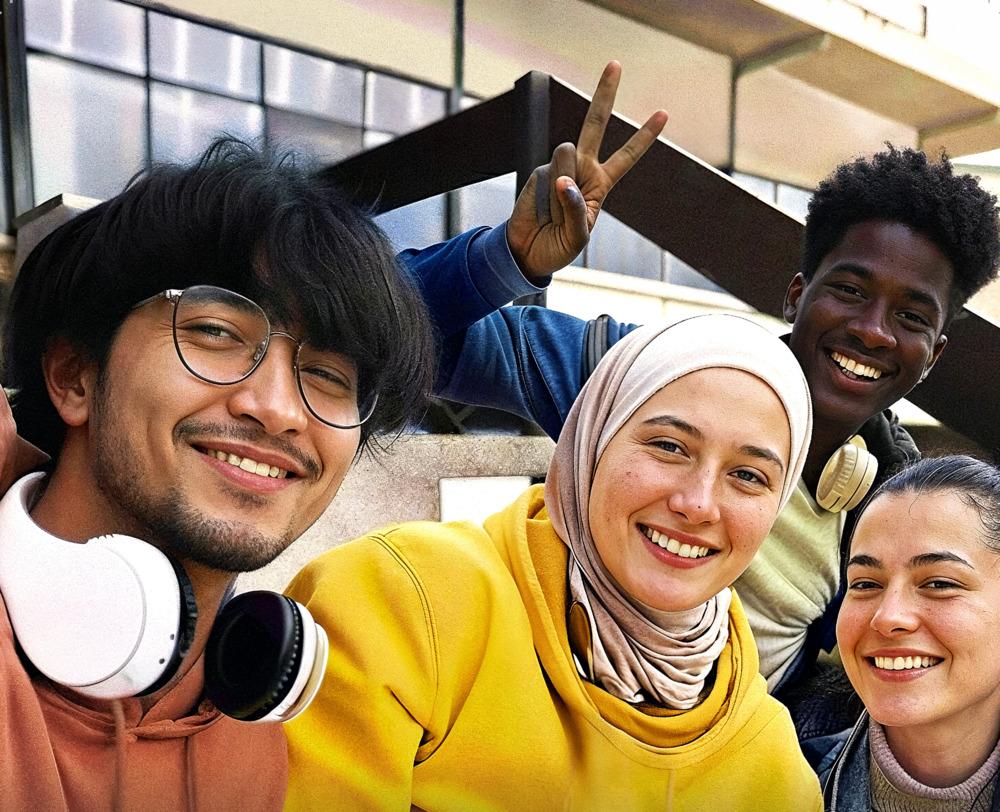
The Muslim Youth Futures report, co-authored by Andy Turner and Aisha Khan and published by the Faiths and Civil Society Unit at Goldsmiths, offers the first deep analysis of Muslim youth sentiment in the wake of the Southport riots. It captures the hopes, frustrations, and leadership potential of Generation Z Muslims determined to shape Britain’s future — but tired of being spoken for.
Based on 158 in-depth consultations with young Muslims aged 16–25 across Birmingham, Leeds, Luton, Blackburn and London, alongside 28 youth and civic leaders, the research reveals three urgent truths:
- Mosques must modernise: participants called for mosques to become more inclusive of women and youth, investing in safe, creative and welcoming spaces.
- Aspirational yet marginalised: young Muslims have strong civic and professional ambitions but feel excluded by Islamophobia, media bias, and political neglect.
- Faith as a force for good: Islamic values are driving a new generation committed to justice, service, and ethical leadership not separation
The report, funded by Islamic Relief, the Aziz Foundation, All Ways Network, and Goldsmiths, calls for a National Muslim Youth Investment Fund and Infrastructure Organisation to support leadership pipelines, mentoring, and faith-literate youth work.
“This project was born from the need to listen,” said Andy Turner, co-author of the report and co-director of the Faiths and Civil Society Unit at Goldsmiths.
Young British Muslims are spoken about rather than engaged with and treated as a challenge to be managed instead of a generation that is ready to lead. What we heard was a deep pride in faith and identity, but also a frustration at being sidelined. Their message is clear: they are ready to help build a fairer, more hopeful Britain if only others are ready to listen.
Andy Turner, co-Director, Faiths and Civil Society Unit
One 22-year-old participant from Birmingham said: “We’re told to be part of Britain but not trusted to shape it. Faith gives us strength, but the system keeps putting up walls.”
Another young woman from Leeds added: “Mosques need to reflect the people who fill them young, diverse, and female. We want to belong, not be boxed out.”
The findings highlight both pride and pain: a generation proud of its Muslimness but weary of suspicion and under-representation. Yet, amid frustration lies determination — to rebuild bridges, renew youth work, and create a fairer, more hopeful Britain.
Jehangir Malik OBE, Project Director of Muslim Youth Futures: “What struck us most was the consistency of what we heard whether in Birmingham, Leeds, Blackburn, London or Luton, young Muslims told the same story. They are proud of their faith, determined to contribute, and deeply aware of the barriers holding them back both within their own communities and across wider society. The message was loud and clear: the lack of investment in youth work, mentoring and leadership opportunities is costing Britain talent, trust and cohesion. These young people are not a problem to be fixed they are an asset to be backed.”
Asha Ali Rage, a mum of three and founder of Dream Chasers based in Small Heath Birmingham has backed the report’s findings. From a project that started as a ‘kick about’ in a local park, Dream Chasers has grown into a social enterprise for young people providing a safe space, life skills and opportunities.
“This new report shines a light on that gap and gives us real clarity about what must change: inclusive youth leadership, faith-literate support, and meaningful investment. I welcome it wholeheartedly, and I believe if we act on its recommendations, we can open up a whole new generation to belong, to lead and to help build a stronger Britain for all.”
Goldsmiths Faith and Society Unit develops inter disciplinary research and exchanges knowledge to help religion, belief and non-belief groups work effectively with policy makers and practitioners. Professor Chris Baker Director of the Faiths and Civil Society Unit said;
“This report places on the policy agenda the critical question of how we as a nation can invest in the wellbeing and flourishing of young British Muslims and all young people. The Faiths Unit exists to research lived religion and belief for the sake of creating better policies that will lead to more just outcomes for all minority groups in our society.’
The full report can be accessed here: Muslim Youth Futures: Our Voice, Our Vision, Shaping Our Society