Creative industries don’t grow in neat lines
Primary page content
As one of the world’s leading creative universities, Goldsmiths, University of London is exploring how its expertise in creative practice, entrepreneurship and cultural ecosystems can help cities and regions support thriving creative industries.
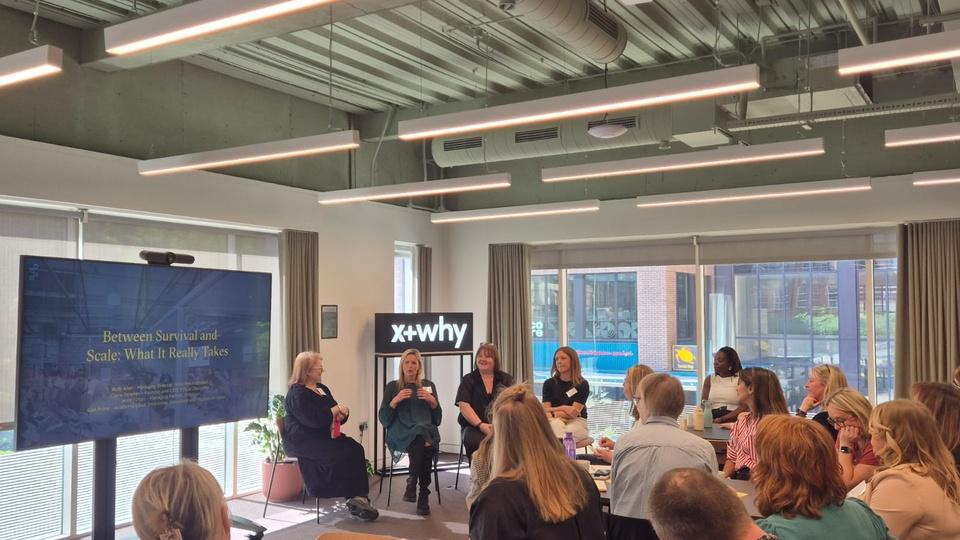
Participants at Scale Creative Leaders in Birmingham, convened by FORM in collaboration with Goldsmiths, University of London.
A recent gathering in Birmingham brought together founders, policymakers and public sector leaders to explore more inclusive and grounded approaches to creative growth.
How do creative economies actually grow?
That question sat at the centre of Scale Leaders Creative, a recent gathering in Birmingham convened by Goldsmiths in collaboration with change consultancy, Form.
Bringing together founders, freelancers, researchers, local authority representatives and public sector leaders, the event explored how cities and regions can better support the people and networks that power the creative industries.
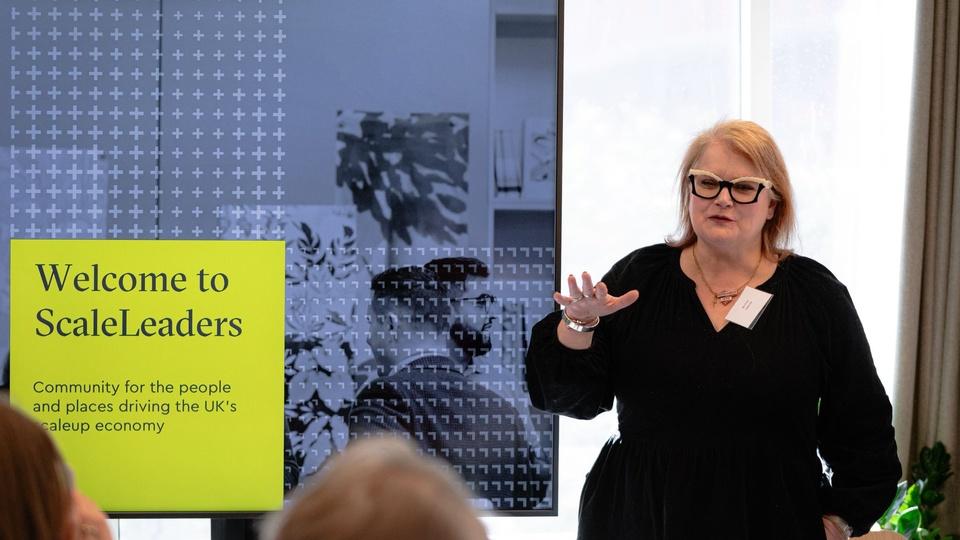
Siân Prime FRSA opening the Scale Creative Leaders gathering in Birmingham.
For Goldsmiths, the conversation reflects a growing strand of work exploring the relationship between creative industries, regional growth and civic partnership. As well as on Fair Growth – and dignity and inclusion in the creative economy.
Goldsmiths has long operated at the intersections of creative practice, culture, entrepreneurship, research and social change. Increasingly, that expertise is helping shape new conversations about how creative economies can grow in ways that are sustainable, inclusive and rooted in place.
Challenging assumptions
The Birmingham gathering challenged familiar assumptions about what “growth” is supposed to look like.
Opening the event, its co-programmer, Siân Prime FRSA Academic Lead for Enterprise, Innovation and Incubation, posed a broader question that ran through many of the discussions that followed:
What kinds of systems, support structures and environments are actually required to sustain bold creative and social ambitions for change?
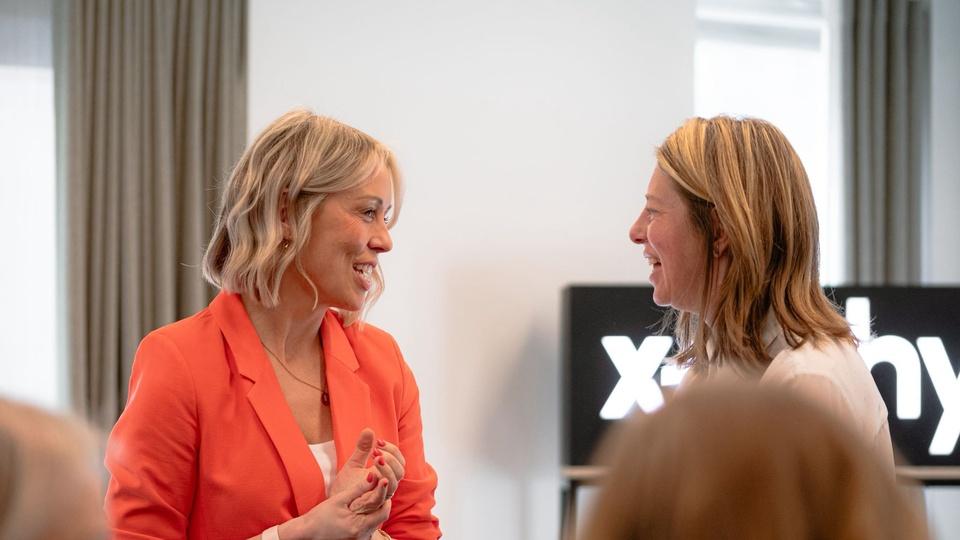
Conversations throughout the day explored how creative ecosystems can better support bold and sustainable growth.
Because while the UK is very good at celebrating the economic value of the creative industries, many of the people actually holding those industries together remain strangely invisible within traditional systems of support.
The self-employed working across sectors and contracts, and in particular people from the global majority and women are often failed by the systems that support growth - sustainability and investment-readiness takes specialist skills, knowledge and approaches to enterprise. Tiny creative businesses operating between contracts, collaborations and communities are the majority of the creative economy, but often not served well.
Often, they are the ecosystem…
The Scale Leaders Creative conversations centred around how to create a healthy ecosystem that encouraged high growth and supported micro, small and medium enterprises
Creative ecosystems rarely evolve in tidy or linear ways
Discussions throughout the day questioned whether existing approaches to creative economy development are too reliant on narrow definitions of scale and success.
Creative ecosystems rarely evolve in tidy or linear ways. They grow through relationships, trust, experimentation, space, collaboration and risk-taking. Through communities and networks that are difficult to measure, but essential to the life of a place.
For Siân, recognising those realities is critical.
If opportunity is only built around the data we already have, then we risk not developing new systems of support that reflects innovation. What can be missed are the people working in-between, sole traders and underrepresented founders who bring enormous knowledge, creativity and generative power to a place.”
Siân Prime, FRSA, Academic Lead for Enterprise, Innovation and Incubation
.jpg)
Participants also explored the role universities can play in supporting creative economies beyond teaching and research alone.
Alongside convening and knowledge exchange, discussions touched on incubation, public sector engagement, life-long learning and executive education and supporting local authorities to better understand the conditions creative sectors need in order to thrive.
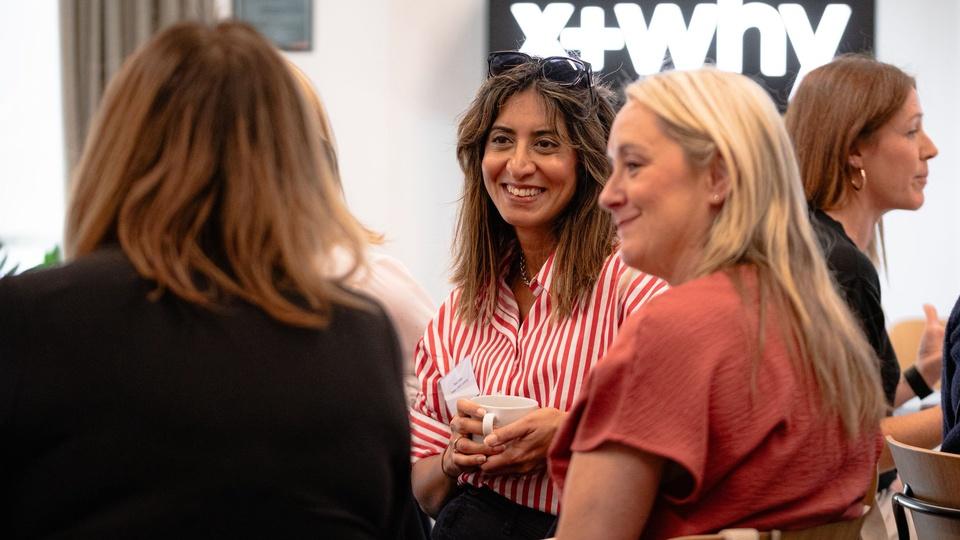
The Birmingham gathering brought together founders, researchers, policymakers and public sector leaders working across the creative economy.
Creating the conditions for growth
Across the Birmingham gathering, conversations moved between creative entrepreneurship, public policy, commissioning, cognitive science and inclusive growth.
There was particular focus on how local and combined authorities can work more effectively with creative practitioners, founders and communities…especially those operating outside traditional investment structures.
Participants reflected on the importance of enabling creative practitioners not only to survive, but to build sustainable futures within the places they live and work.
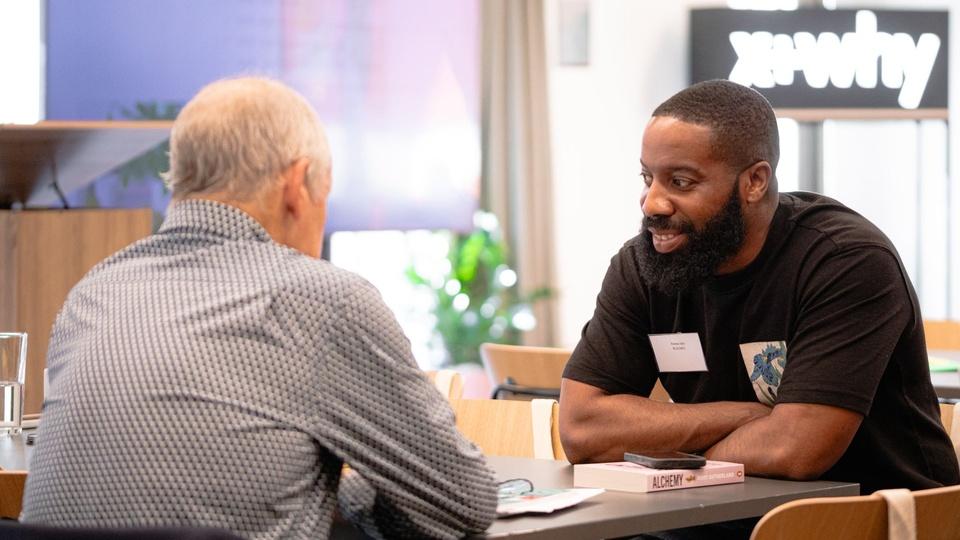
Participants reflected on the role relationships, networks and practical support play in sustaining creative ecosystems.
Invoice number one
At one point in the discussion, attendees spoke about the significance of helping someone send their very first invoice, that key moment when an idea, project or creative practice becomes something tangible and economically possible.
Powerful, but seemingly small moments like that can say a great deal about the health of a creative ecosystem.
Because thriving creative economies are not built only through major investment announcements or headline growth figures. They are also shaped by the conditions that allow more people to take creative risks, build sustainable work and imagine futures for themselves within their own communities and enter the creative economy.
For Goldsmiths, conversations like these are part of a wider commitment to supporting creative industries not simply as economic drivers, but as social, cultural and civic forces that shape the life of cities, regions and nations and overcoming the barriers to entry and sustainability.
From conversation to action
The Scale Leaders Creative gathering also reflects wider activity already underway at Goldsmiths, University of London across creative industries, knowledge exchange and business engagement.
This includes international partnership work supporting creative economies, consultancy and collaboration through Goldsmiths Business, and emerging plans for incubation and founder support linked to creative entrepreneurship and underrepresented communities.
Alongside research and teaching, Goldsmiths is increasingly exploring how it can support creative practitioners, founders and organisations through practical programmes, civic partnership and industry engagement.
The aim is not simply to talk about creative growth, but to help build the conditions in which creative communities, founders and businesses can all thrive.
Find out more about Goldsmiths’ work with businesses and partnerships