Romea Muryń
Primary page content
Romea Muryń's PhD research project
The Extraterritoriality of Toxicity
The Extraterritoriality of Toxicity investigates the dynamics of artificially generated toxicity and its effects on human and other–than–human bodies.
By tracing their sources to their responsible actors, it aims to analyse how regulatory ownership regimes fail to address contamination fluidity and are, therefore, incapable of protecting populations and the environment from the menace of corporative pollution.
Land ownership and usage likewise fail to consider fluidity as an inherent aspect of soil, water and air; that the boundaries defined by humans are irrelevant in relation to contamination and are constructed via bureaucratic, political or geographic means, and thus do not account for the permeability and interchangeability of the natural world.
The allowance for pollution in bounded territory is effectively spilling to the surrounding environment and being carried over affecting everything and everyone in its path.
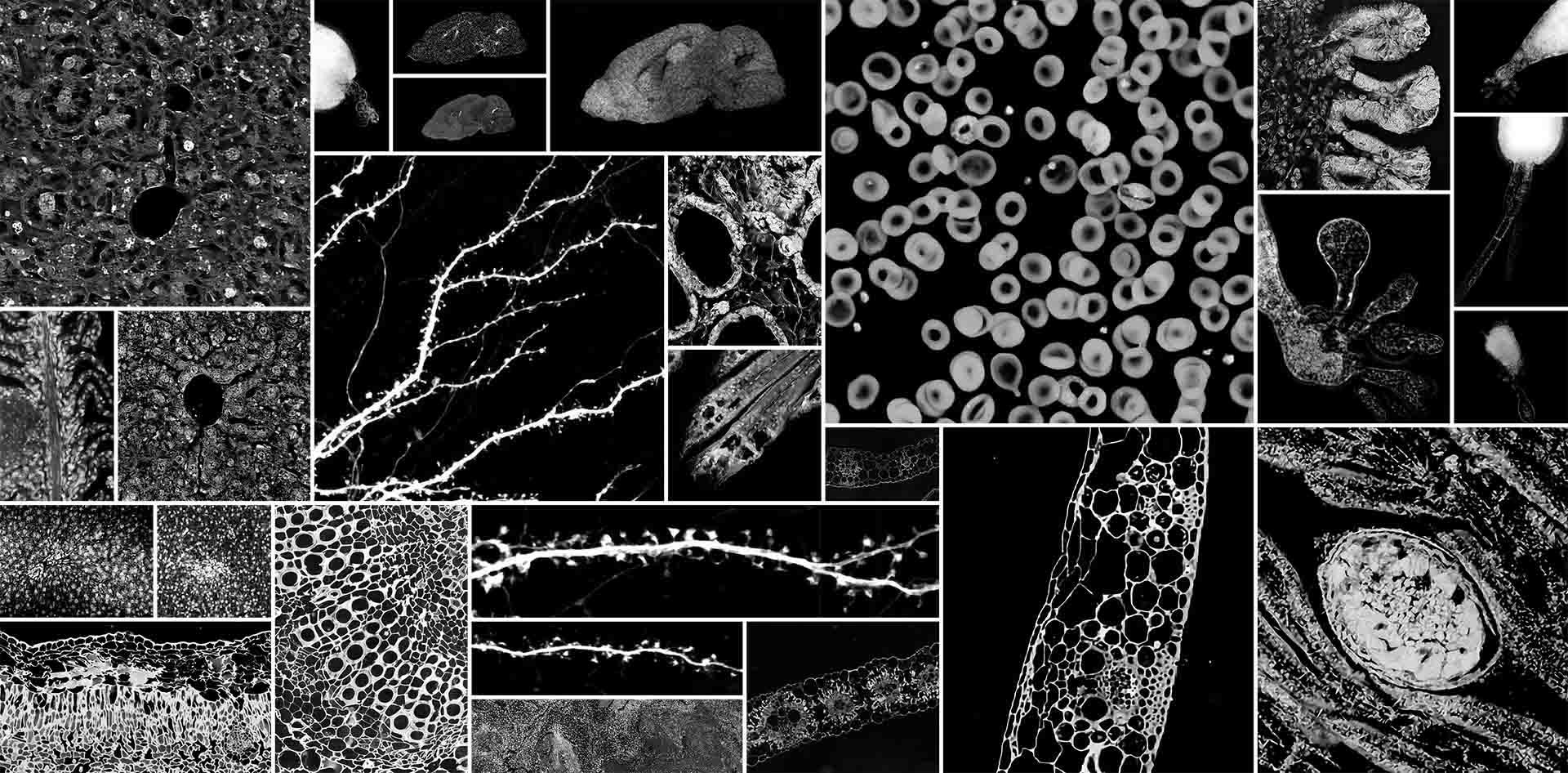
Chemical persistence in the environment ensures that the impacts of toxicity remain long after the contamination process has ended, making toxicity a prominent part of our lives. Non-degradable chemicals differ in time of dissolvement, from one single year to thousands or, perhaps, never.
If the full period of dissolvement is not monitored, how can such acts of aggression be categorised and acted upon within the forums that attribute responsibility and reparations? How can we measure and determine the irreversible harms of these chemical particles on the human body and broader environment?
Can we define accountability not in terms of actions taken, but through an analysis of their consequences over the entire period of chemical dissolvement and degradability? How could the legal-political-ecological sphere attribute responsibility for environmental consequences?
Supervisors
- Professor Susan Schuppli
- Dr Wood Roberdeau