Goldsmiths launches Futures of Creativity Institute (FOCI) with industry, policy and cultural leaders
Primary page content
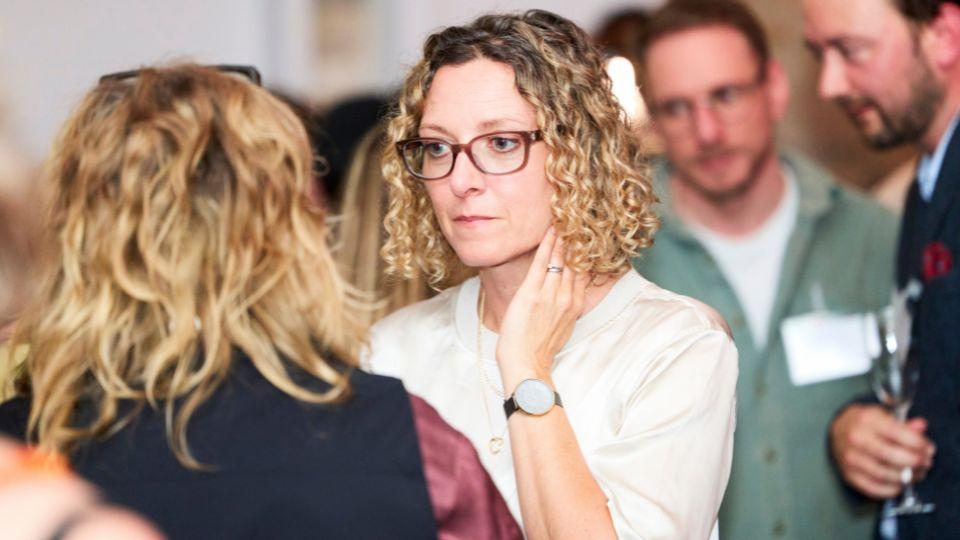
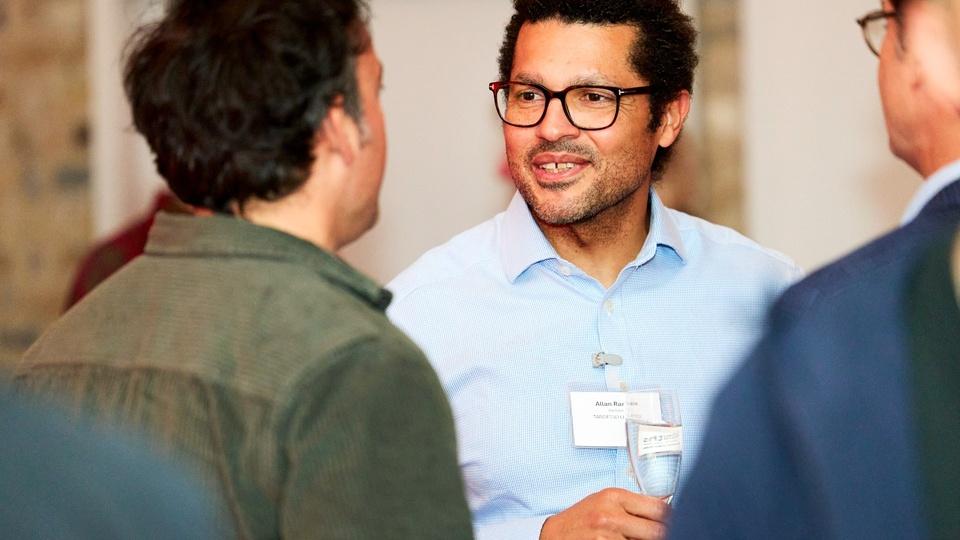
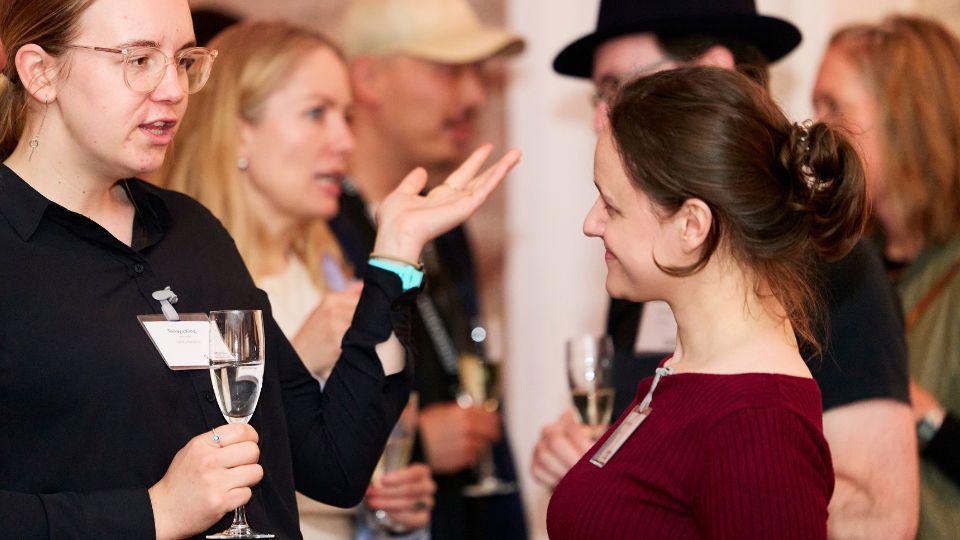
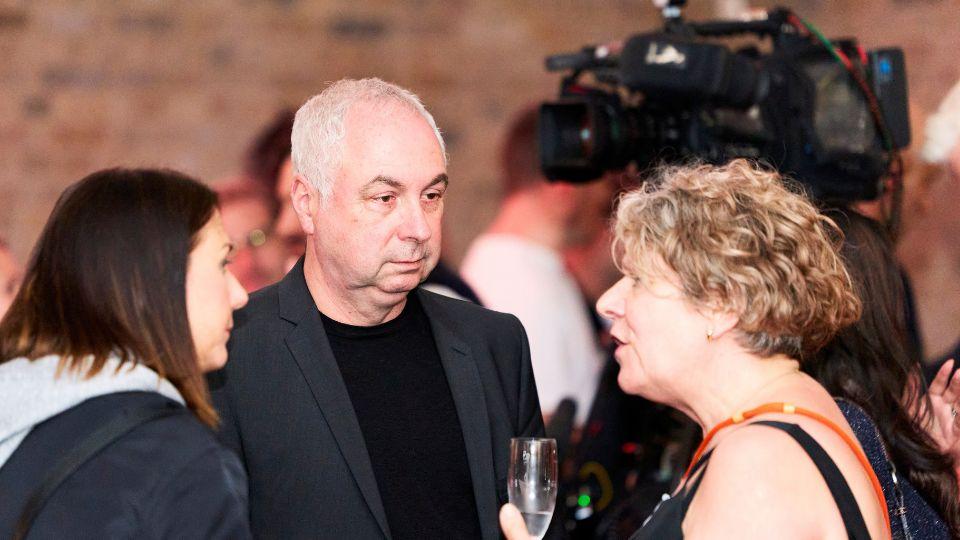
Over 170 guests gathered at Whitechapel Gallery to explore the forces shaping the future of creativity, culture and public life.
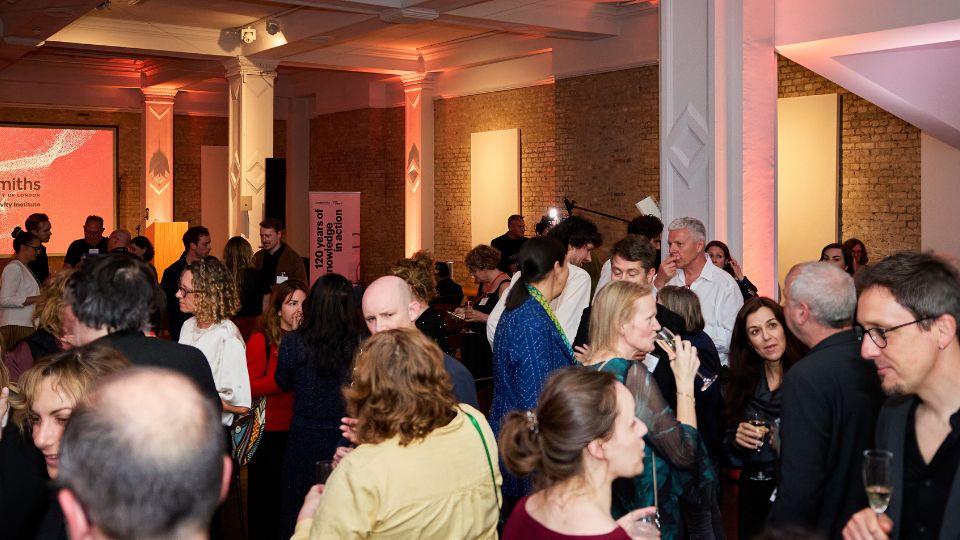
Over 170 guests gathered at Whitechapel Gallery to explore the forces shaping the future of creativity, culture and public life.
Creativity is changing.
Artificial intelligence, emerging technologies and new forms of cultural participation are reshaping how creative work is made, experienced and valued.
The question is not whether change is coming.
The question is who gets to imagine it, challenge it and shape it.
That challenge sat at the heart of the launch of the Futures of Creativity Institute (FOCI), Goldsmiths’ new initiative bringing together research, industry and policy to explore the future of creativity, culture and public life.
More than 170 guests from across the creative industries, technology, research, investment and public policy sectors gathered at Whitechapel Gallery to take part I in evening of creative showcases, foresight activity and discussion exploring the opportunities and challenges facing creativity in the years ahead.
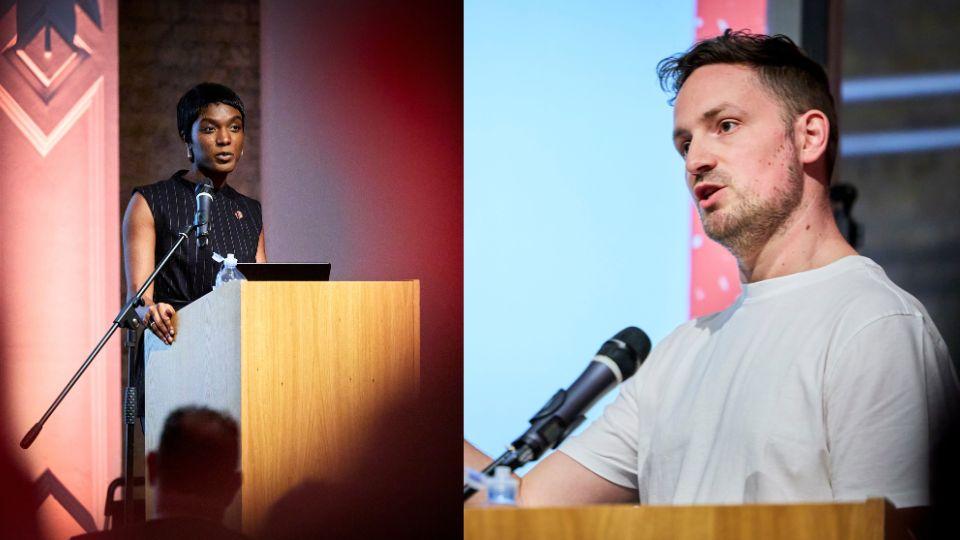
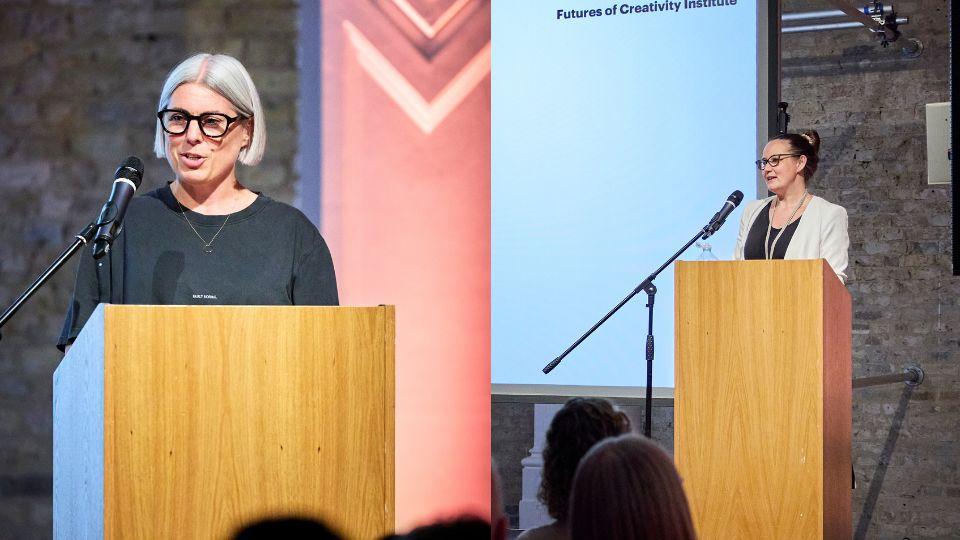
The launch featured contributions from Professor David Oswell, Interim Vice-Chancellor of Goldsmiths, Professor Jonny Freeman, Director of FOCI, Noemi Ponzoni, Chief Strategy Officer of FOCI, and Dr Cathy Kerfoot, Creative Industries Programme Director at UK Research and Innovation (UKRI).
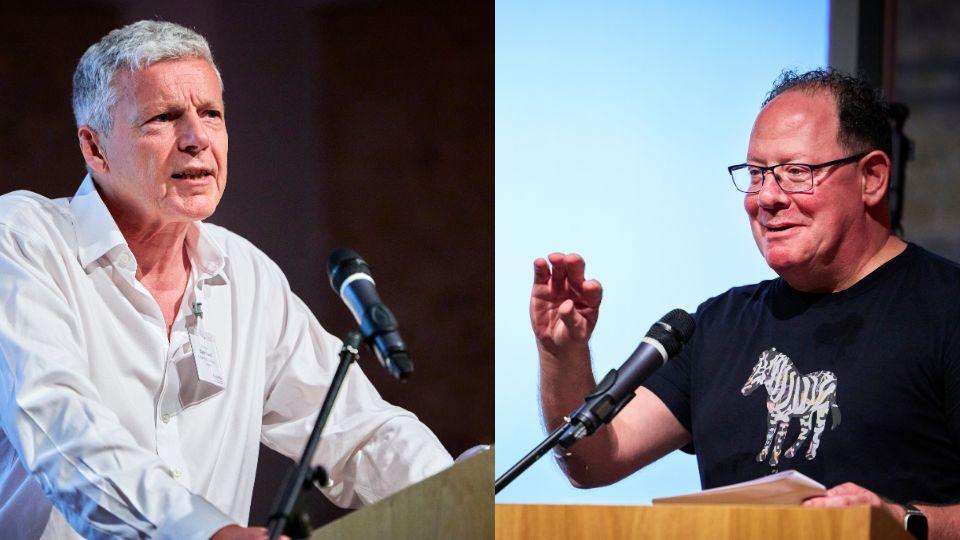
Professor David Oswell, Vice-Chancellor (interim); Professor Jonny Freeman, Director of the Futures of Creativity Institute (FOCI) both speaking at the launch event.
“The atmosphere throughout the evening was remarkable. The films, showcases and discussions invited people to think differently about the future, while the conversations they sparked demonstrated the appetite for new forms of collaboration across research, culture, technology and industry.”
“That spirit of curiosity and exchange sits at the heart of FOCI. Our ambitions are to create the conditions that enable new collaborations, catalyse new ways of thinking about the future, and work with our partners to realise positive futures.”
Professor Jonny Freeman, Director of the Futures of Creativity Institute (FOCI)
Creativity at a crossroads
The launch comes at a moment of profound change for the creative industries.
Artificial intelligence, immersive technologies, shifting audience behaviours and evolving business models are transforming how creative work is produced, distributed and experienced. At the same time, questions of sustainability, skills, inclusion and public value are becoming increasingly urgent.
FOCI has been established to help navigate that complexity by connecting academic research, creative practice, industry expertise and policy development.
Rather than treating creativity as a single sector or discipline, the Institute brings together perspectives from across culture, technology, design, media, performance, computing and the social sciences to explore how creativity intersects with wider social, economic and technological change.
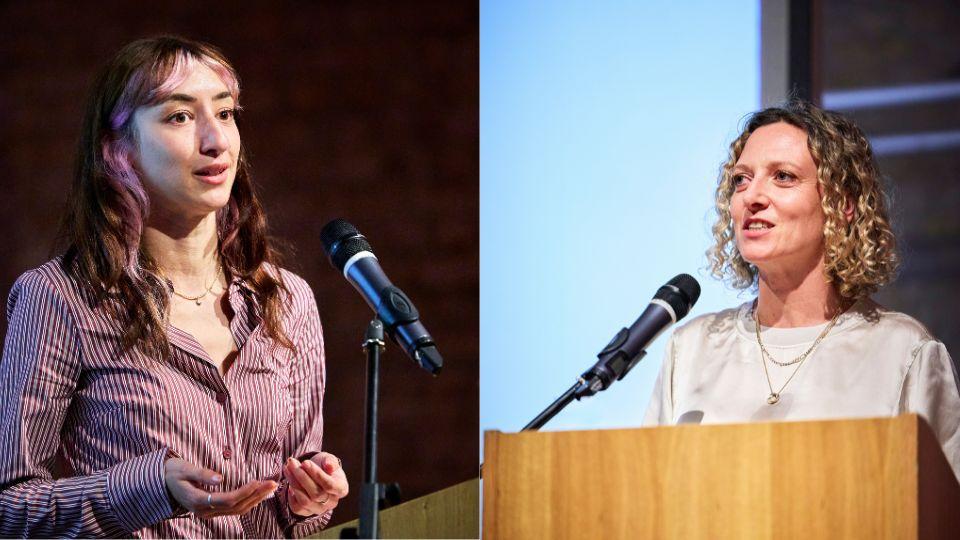
Also speaking were Noemi Ponzoni, Chief Strategy Officer, FOCI; Cathy Kerfoot, Programme Director for Creative Industries at Arts and Humanities Research Council, UK Research and Innovation
At the centre of the evening was a new foresight film exploring the synergies possible in combining creativity and behavioural science. It was developed for FOCI by i2 media research.
The film explored a series of possible futures enabled by direct and indirect impacts of the creative industries, inviting guests to consider how creativity, technology and public life might intersect in the decades ahead. Rather than offering predictions, it was designed to provoke discussion, challenge assumptions and encourage participants to think beyond immediate trends and towards longer-term possibilities.
The film is the second in a series by i2 media research, the first of which – created for the CoSTAR Foresight Lab, headquartered at Goldsmiths, and also part of FOCI - was shown later in the evening.
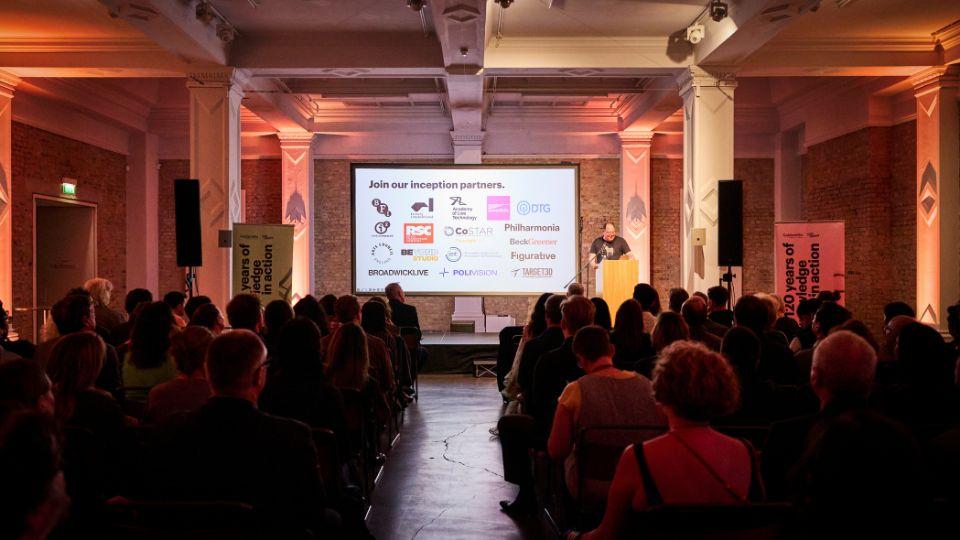
Assembly Room, Whitechapel Gallery
A Goldsmiths approach
Goldsmiths has long occupied a distinctive place within the UK’s creative landscape.
Goldsmiths has rarely been interested in staying in its lane. Many of the university’s most influential contributions have emerged at the intersections between disciplines, where different ways of thinking, making and imagining come together.
FOCI builds on that tradition while looking firmly towards the future.
Throughout the evening, researchers, artists, technologists, policymakers, investors and creative leaders explored how creativity might respond to some of the defining challenges of the coming decades. The programme featured screenings, creative showcases and speculative scenarios highlighting the breadth of innovation emerging from Goldsmiths and its wider network of collaborators.
“The future of creativity will not be shaped by any single organisation, discipline or sector acting alone. Universities have an important role to play in bringing together research, creative practice, industry expertise and policy insight to better understand emerging challenges and identify new opportunities for growth and innovation. The Futures of Creativity Institute reflects Goldsmiths’ belief that creativity is not peripheral to economic and social change. It is central to it.”
“The future of creativity will not be shaped by any single organisation, discipline or sector acting alone."
Universities have an important role to play in bringing together research, creative practice, industry expertise and policy insight to better understand emerging challenges and identify new opportunities for growth and innovation. The Futures of Creativity Institute reflects Goldsmiths’ belief that creativity is not peripheral to economic and social change. It is central to it.”
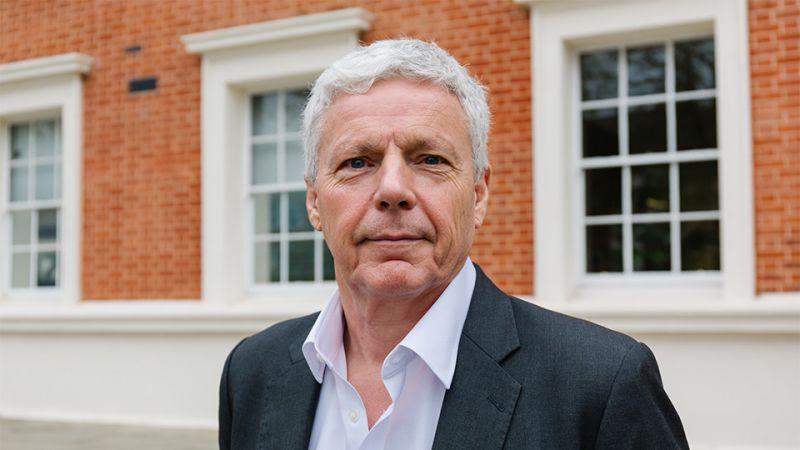
Professor David Oswell, Vice-Chancellor (Interim)
Building a network
The launch also marked an important milestone in the development of a growing network of partners and collaborators helping to shape FOCI’s future.
Inception partners include Digital TV Group (DTG), Broadwick, Beck Greener, Arts Council England, Target3D, PoliVision, Royal Shakespeare Company, Philharmonia Orchestra, ScreenSkills, BEYOND Studio, Academy of Live Technology, Figurative, EIT, i2 media research, UMA, Factory International and the British Film Institute (BFI).
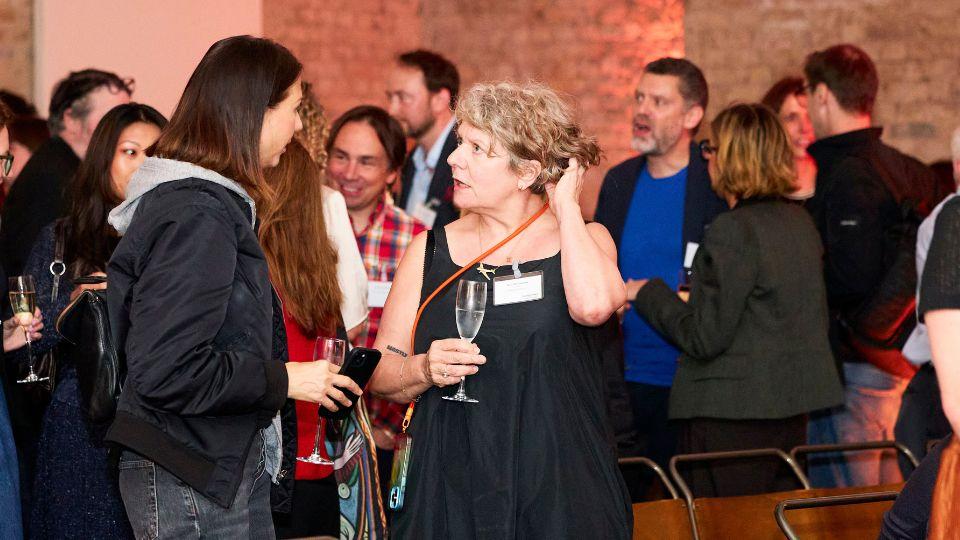
The launch also marked an important milestone in the development of a growing network of partners and collaborators helping to shape FOCI’s future.
Together, these organisations bring expertise spanning culture, technology, education, creative production, skills development and innovation.
Their involvement reflects FOCI’s commitment to enabling collaboration between research, industry and policy, and catalysing new approaches to creativity, innovation and future skills.
Looking ahead
The launch marks the beginning of an ambitious programme of activity that will bring together research, industry and policy through partnerships, public engagement, executive education and professional development.
As debates around artificial intelligence, emerging technologies, creative practice and future skills continue to evolve, FOCI aims to create a space where organisations, practitioners and policymakers can think beyond immediate challenges and engage with longer-term possibilities.
The evening at Whitechapel Gallery marked an important milestone for the Institute, but it also pointed towards something larger: a growing network of people committed to imagining, shaping and creating the future of creativity.
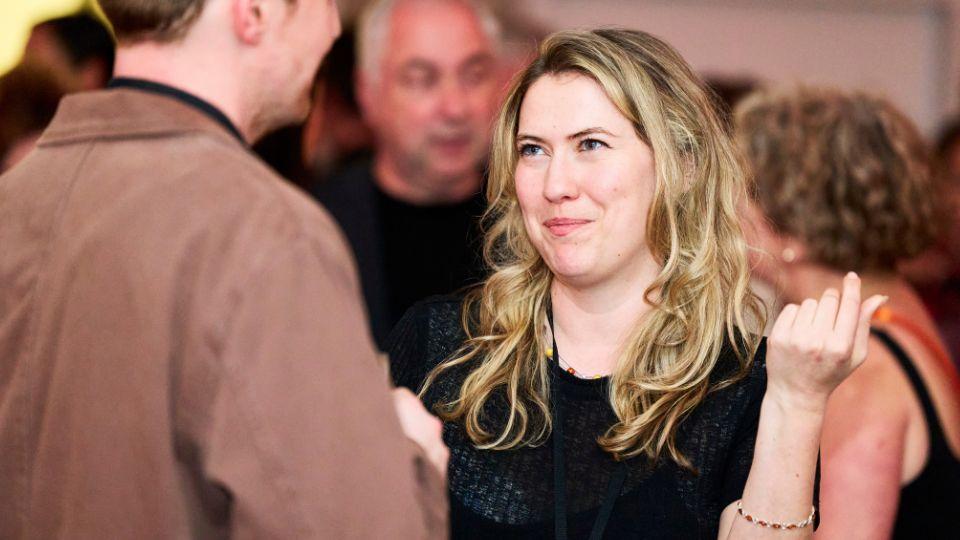
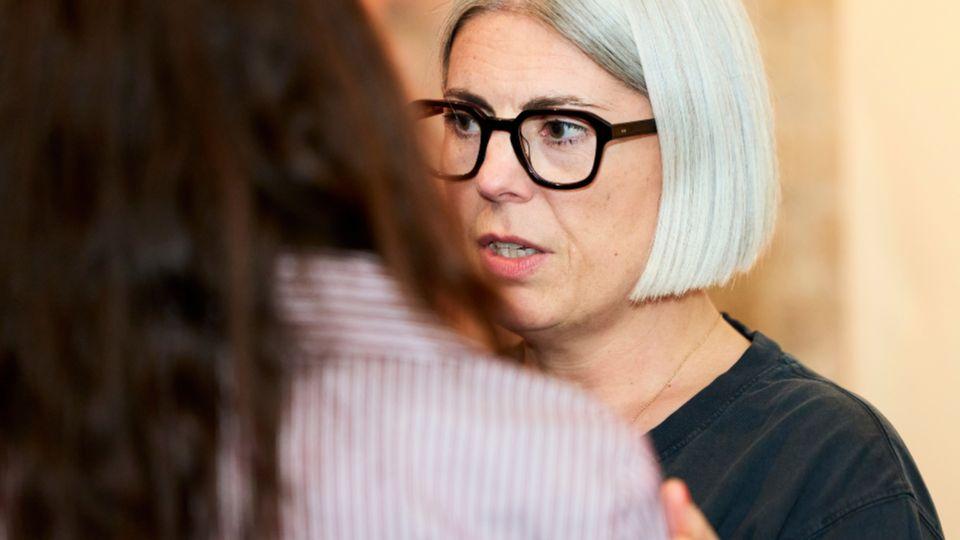
Tianyuan Zhang, who presented her Sensing Nature project at the event, with guests
The future is not something to be predicted.
It is something to be imagined, contested and made.
FOCI exists to create the conditions in which new ideas can emerge, collaborations can be catalysed and different futures can be imagined.
Video highlights
Watch highlights from the launch of the Futures of Creativity Institute and revisit an evening of conversation and new connections.
Watch highlights from the launch of the Futures of Creativity Institute and revisit an evening of conversation and new connections.
Image gallery
The launch also marked an important milestone in the development of a growing network of partners and collaborators helping to shape FOCI’s future.