Timeline - vertical
Goldsmiths 120 year story
-
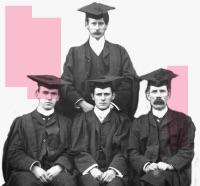
Formerly The Goldsmiths’ Company’s Technical and Recreative Institute, Goldsmiths admits students of higher education for the first time after joining the University of London. It is now known as Goldsmiths College.
-
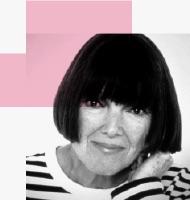
Mary Quant begins studying at Goldsmiths, and in the 1960s becomes an entrepreneurial fashion trailblazer.
-
Goldsmiths experiences a rapid expansion in student numbers and begins to establish its reputation in the arts and social sciences.
-
The Whitehead, Lockwood and Education Buildings are built, alongside Warmington Tower, St James’s Hall, and a new extension to the Richard Hoggart Building.
-
Former student Malcolm McLaren starts managing the Sex Pistols and helps pioneer punk culture.
-
Alex James and Graham Coxon – who later became half of legendary Britpop band Blur – meet on their first day studying at Goldsmiths.
-

The art world is dominated by the famous Young British Artists, including Goldsmiths graduates Damien Hirst, Sarah Lucas and Hamad Butt.
-
The first MOBO Awards take place in London, founded by graduate Kanya King OBE.
-
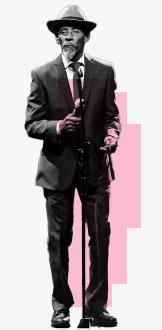
Linton Kwesi Johnson, who studied sociology at Goldsmiths in the 1970s, becomes the first Black poet to appear in the Penguin Modern Classics series.
-
Multidisciplinary research group Forensic Architecture is formed, and goes on to receive accolades for investigating human rights violations.
-
James Blake, who studied BMus Popular Music, is awarded the Mercury Prize.
-
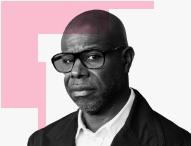
Graduate Steve McQueen wins an Oscar for his film 12 Years a Slave.
-
Goldsmiths Centre for Contemporary Art opens, bringing world-class exhibitions to South London.
-
Graduate Bernardine Evaristo is awarded the Booker Prize for her novel Girl, Woman, Other.
-

BA Drama and Theatre Arts alumna and director Rebecca Frecknall wins the Laurence Olivier Sir Peter Hall Award for Best Director for the West End revival of Cabaret.
-
The Goldsmiths Prize for literature celebrates 10 years of recognising fiction that breaks the mould.
-
Goldsmiths is granted a Supplemental Charter by King Charles III.