BA (Hons) Musical Theatre
Content navigation menu
Why study BA Musical Theatre at Goldsmiths
This degree prepares you to create musical theatre and find work in the performing arts sector. As part of a close-knit community, you'll develop your talents as a performer and in other areas, from director to arts administrator.
- Our programme encourages you to develop your talents not only as a performer, but also in other areas of musical theatre: as a director, choreographer, musical director, stage manager, writer, dramaturg, publicist, designer, or arts administrator.
- You will take small group and one-on-one singing lessons with singing tutors, many of whom have trained West End performers.
- You'll study movement fundamentals, including jazz, and tap, where you will work with specialist tutors with a range of professional experiences.
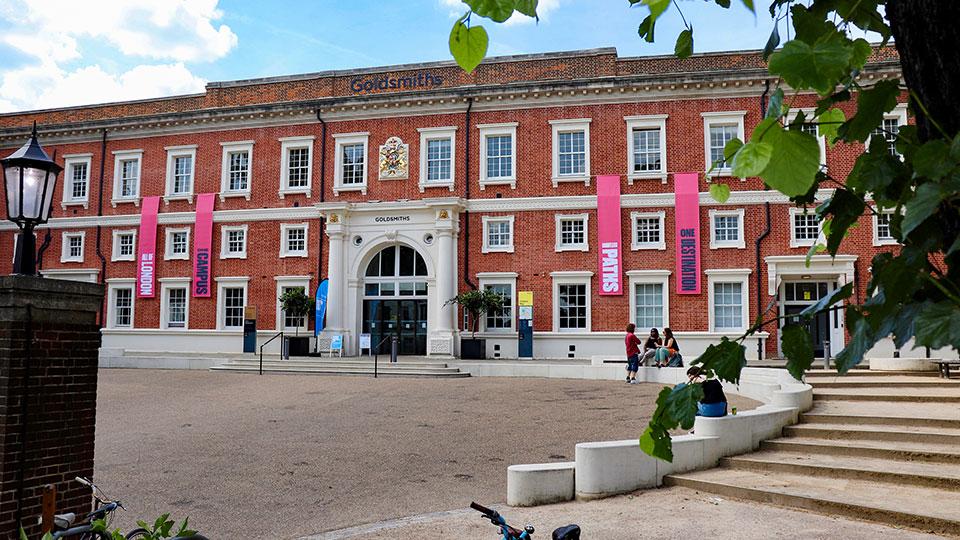
- Goldsmiths has a range of studios, performance spaces and workshops that you will have access to both for your class work and to develop your own performances.
- You will have the opportunity to perform in a range of contexts and settings, including in cabarets, performance showcases, an original musical, and a major production of a licensed show in Year 3 of the programme.
- Modules in musical theatre history and theory will invite you to think critically about performance, representation and ethics: you will learn about where musical theatre has been so you can take it to new places.
- Goldsmiths is a 15-minute journey from the heart of theatre in Britain, not to mention a range of museums, concert halls, cabaret and jazz clubs, and other cultural venues.
Contact
If you have specific questions about the degree, contact Bradley Rogers , Luis Garcia
UCAS code
W312
Entry requirements
A-level: CCC
BTEC: DMM
IB: 27 points overall with three HL subjects at 555
Length
3 years full-time
Fees
Home - full-time: £9790
International - full-time: £23000
School
Subject
Watch videos about this course
What you'll study
In your first year you'll take the following compulsory modules:
| Module title | Credits |
|---|---|
| Core Techniques in Musical Theatre | 30 credits |
| Performance Making Skills | 30 credits |
| Performance Making 1 | 30 credits |
| Critical Writing | 15 credits |
| Contemporary Creative Industries | 15 credits |
Teaching style
Our contact hours include lectures, seminars, workshops, and performances. As part of a rigorous university course, you will be expected to undertake a significant amount of independent study including production and project work, rehearsals and preparation for essays, discussions, and readings.
How you'll be assessed
We incorporate a range of assessments into our curriculum. Performance assessments include a licensed book musical, an excerpt of a new musical in development, a cabaret show, a musical revue, as well as individual scenes and songs. Other courses culminate in a tap routine, a choreographed jazz dance, and written essays. Extensive support is provided in the first year to help students prepare to write essays.
Facilities
We deliver teaching in five theatre studios including the technically-supported George Wood Theatre. Further facilities include a voice recording booth, media editing suite, scenographic workshop areas and a costume design studio.
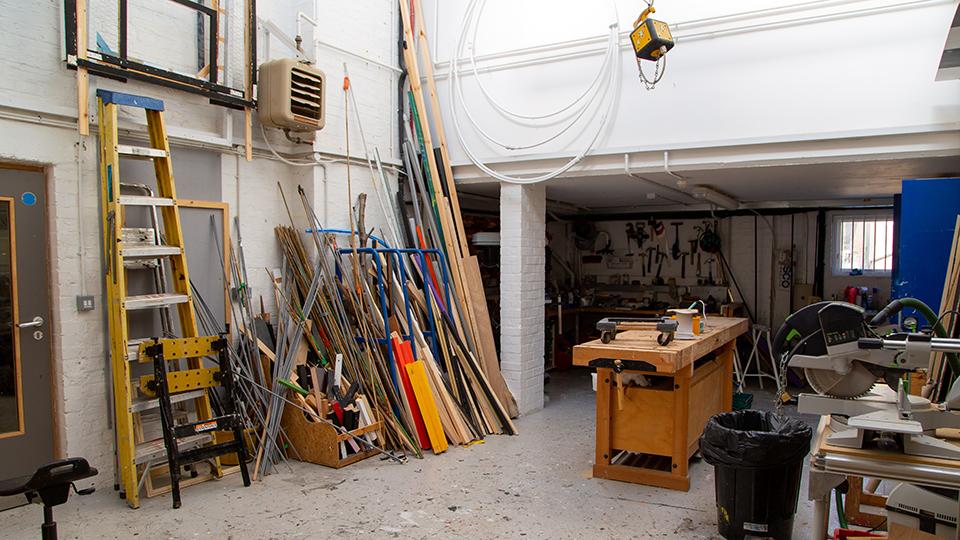
Set construction workshop
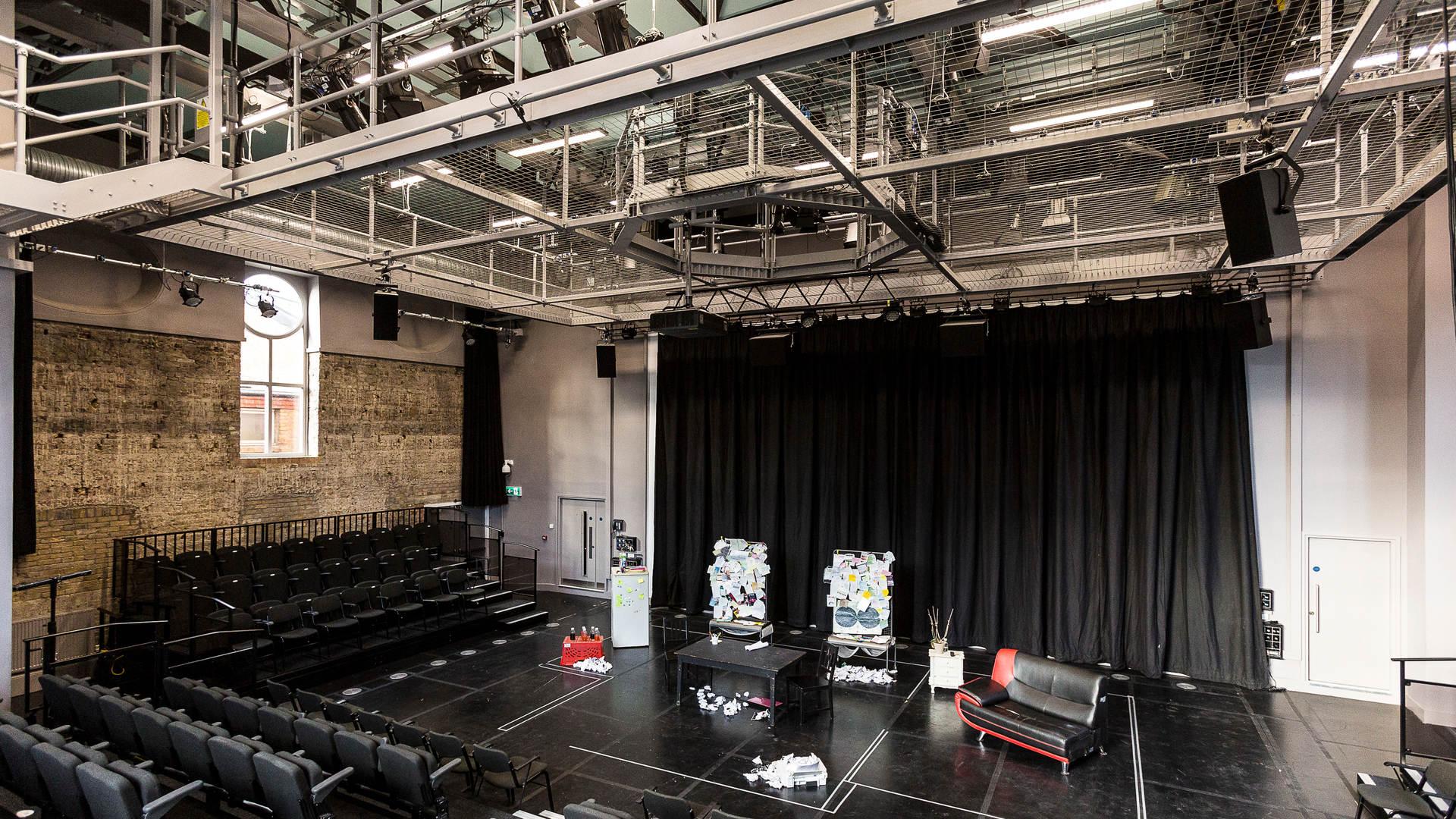
George Wood Theatre
Entry requirements
We accept the following qualifications:
A-level: CCC
BTEC: DMM
International Baccalaureate: 27 points overall with three HL subjects at 555
UAL Extended Diploma: Merit overall
Access: Pass with 45 Level 3 credits including 24 Distinctions and a number of merits/passes in subject-specific modules
Scottish qualifications: CCCCD (Higher) or DDD (Advanced Higher)
European Baccalaureate: 65%
Irish Leaving Certificate: H3 H3 H3 H3
If you can't find your qualification here, then please visit our entry requirements page for a list of alternative qualifications.
Additional requirements
You must be able to express a well-informed interest in theatre and performance theory and practice.
While drama and theatre studies would be an advantage, this is not necessarily essential as we are also interested in those with other subjects or complementary experience. Applicants with A-levels in an arts and humanities subject such as English, history, languages, philosophy and sociology are welcomed.
Selection process
Once we have received your UCAS application, you will be asked to submit a 2–3-minute self-tape of you performing a published piece of vocal music, preferably a musical theatre song of any type.
This should have a piano or guitar accompaniment (either live or recorded). Selected applicants will then be invited to participate in a Workshop Day.
International qualifications
We also accept a wide range of international qualifications. Find out more about the qualifications we accept from around the world.
If English isn’t your first language, you will need an IELTS score (or equivalent English language qualification) of 6.0 with a 6.0 in writing and no element lower than 5.5 to study this programme. If you need assistance with your English language, we offer a range of courses that can help prepare you for degree-level study.
Alternative qualifications
See our full list of undergraduate entry qualifications.
We welcome students with a range of educational experiences. If you believe you may not meet the standard qualification requirements we would still encourage you to apply because we consider all aspects of your application when making a decision.
We’ll pay particularly careful attention to your personal statement, which is your opportunity to demonstrate your interest in the subject you’ve applied for. Your referees are also welcome to include any relevant contextual comments around your academic achievements. We’ll look at all these things when making a decision on your application, as well as your qualifications and grades, and may still be able to offer you a place.
Fees and funding
Annual tuition fees
These are the UG fees for students starting their programme in the 2026/2027 academic year.
- Home - full-time: £9790
- International - full-time: £23000
If your fees are not listed here, please check our undergraduate fees guidance or contact the Fees Office, who can also advise you about how to pay your fees.
It’s not currently possible for international students to study part-time if you require a Student Visa, however this is currently being reviewed and will be confirmed in the new year. Please read our visa guidance in the interim for more information. If you think you might be eligible to study part-time while being on another visa type, please contact our Admissions Team for more information.
If you are looking to pay your fees please see our guide to making a payment.
Funding opportunities
We offer a wide range of scholarships and bursaries, and our Careers Service can also offer advice on finding work during your studies. Find out more about funding your studies with us.
Additional costs
In addition to your tuition fees, you'll be responsible for any additional costs associated with your course, such as buying stationery and paying for photocopying. You can find out more about what you need to budget for on our study costs page.
There may also be specific additional costs associated with your programme. This can include things like paying for field trips or specialist materials for your assignments. Please check the programme specification for more information.
Careers
Your professional development begins in Year 1 with talks, workshops and events with a range of industry professionals and organisations, and culminates in a showcase of performances for industry stakeholders and partners in Summer Term of the final year.
There are built-in links with employers through the following:
- Guest lectures, master classes and workshops by visiting practitioners and industry professionals
- Our long-standing connections with a number of London theatres
- Final year practical writing/devising project will enable students to position themselves in the job market
- The final showcase production includes invitations to creative industries stakeholders, which may comprise agents and producers, commensurate with student preparation and aims
You can find out more about the career options open to you following graduation on our Theatre and Performance careers page.
Skills
The programme aims to prepare you to meet the varied demands of the theatre industry with informed intelligence, flexibility and a wide range of organisational and artistic skills. So you will learn to function independently to generate your own professional work.
Students are encouraged to develop collaborative skills as well as technical, IT and management skills.
Find out more about employability at Goldsmiths.


You will also be taught by:
- Pamela Karantonis
- Annie Guo
- Simonetta Alessandri