Staff in the Department of Psychology
In this section
Staff list

Dr Alexandra Bailey
A.Bailey (@gold.ac.uk)
Alexandra’s research interests are in the areas of online and offline sexual offending, and women who have offended.

Professor Michael Banissy
m.banissy (@gold.ac.uk)
Michael is an expert in social neuroscience, studying how we perceive and interact with each other.

Dr Elaine Beattie
e.beattie (@gold.ac.uk)
Elaine's main research interests are personality and associative learning; neuroticism, trait anxiety, and individual differences in fear and disgust reactivity.
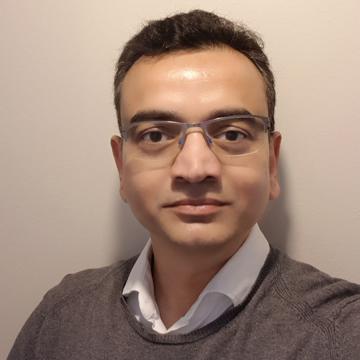
Professor Joydeep Bhattacharya
j.bhattacharya (@gold.ac.uk)
Joy studies complex human behaviour including music, language, aesthetics, decision making, flow and creativity.

Dr Marinella Cappelletti
m.cappelletti (@gold.ac.uk)
Marinella is a cognitive neuroscientist interested in studying how the brain learns and how it ages.
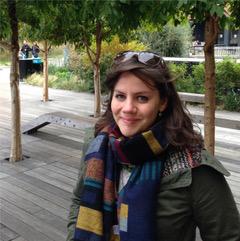
Dr Rebecca Chamberlain
r.chamberlain (@gold.ac.uk)
Rebecca’s research sets out to understand how and why individuals create and respond so powerfully to works of art.
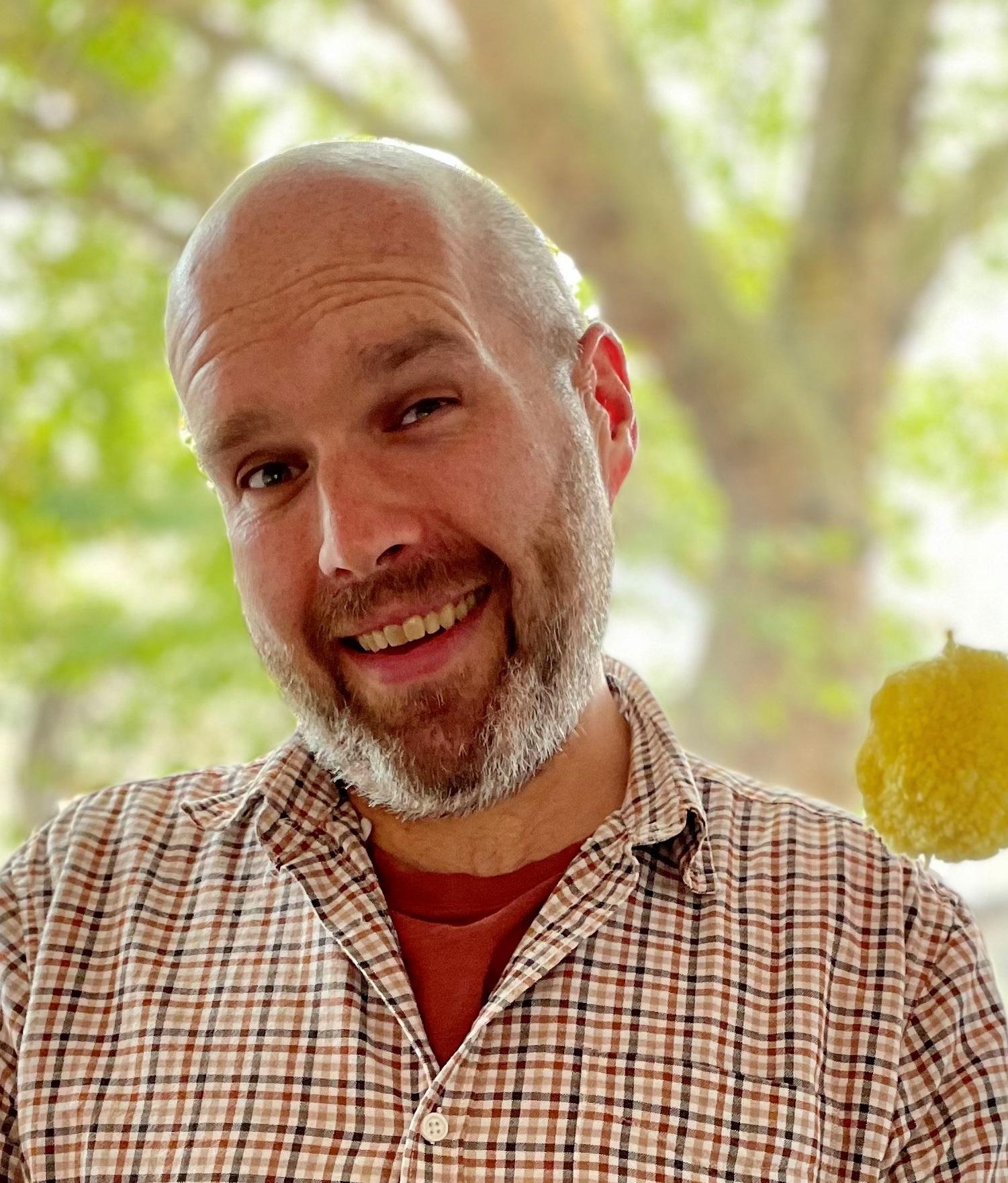
Dr Robert Chapman
Robert.chapman (@gold.ac.uk)
Robert's interests are in the areas of genetics, (non)typical developmental psychology and science communication.
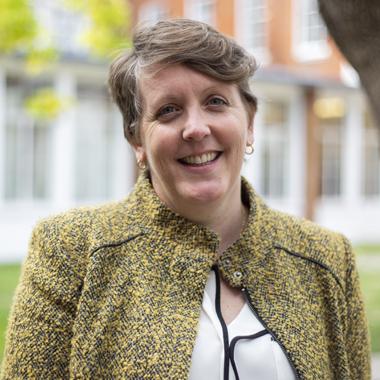
Professor Rebecca Charlton
r.charlton (@gold.ac.uk)
Rebecca is a Professor in Psychology at Goldsmiths.
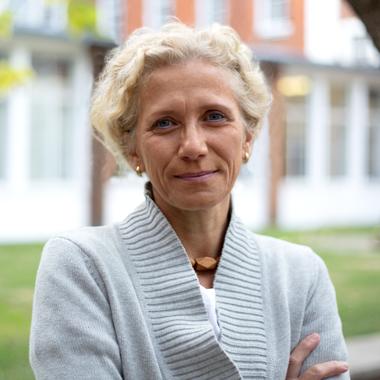
Dr Gianna Cocchini
g.cocchini (@gold.ac.uk)
Gianna is a cognitive neuropsychologist interested in distortions of body representation and awareness.

Dr Andrew Cooper
a.cooper (@gold.ac.uk)
Andrew’s research understands how variations in personality traits is underpinned by emotional and motivational states.
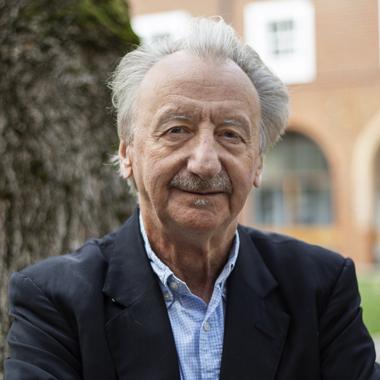
Professor Jules Davidoff
j.davidoff (@gold.ac.uk)
Jules researches the mental representation of objects, the relationship between our memory and recognition of them.

Dr Emma Davies
Emma.Davies (@gold.ac.uk)
Emma’s work focuses on the relationship between research, policy, and practice. She currently leads research and development on trauma-informed practice in Higher Education.
Dr Faize Eryaman
faize.eryaman (@gold.ac.uk)
Faize is interested in adult attachment theory and the stability of partner attachment security in romantic relationship
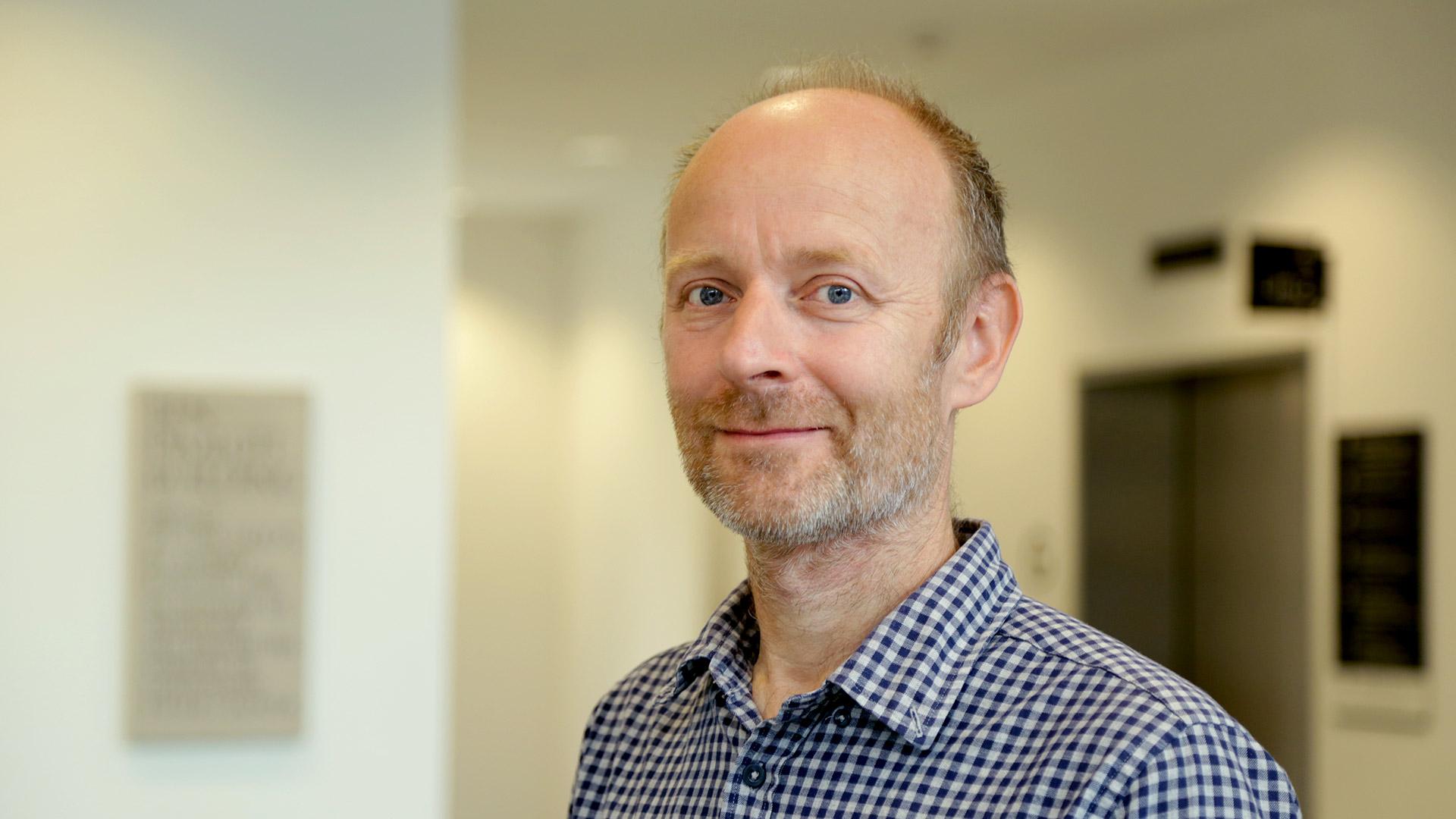
Professor Jan de Fockert
j.de-fockert (@gold.ac.uk)
Jan is an expert in selective attention, studying how we prioritise the processing of relevant information in our environment.
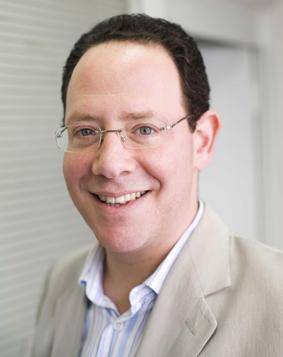
Professor Jonathan Freeman
j.freeman (@gold.ac.uk)
Jonathan is an expert in media psychology and the human factors of digital media services and products.
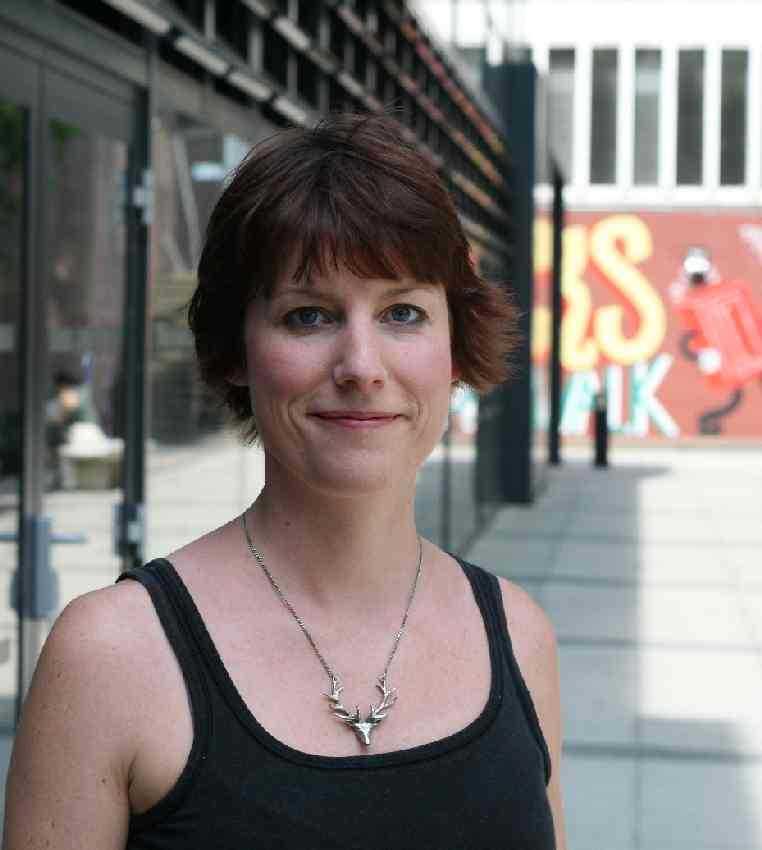
Professor Fiona Gabbert
f.gabbert (@gold.ac.uk)
Fiona is an expert in applied cognitive psychology, studying the reliability of human memory via understanding its strengths and weaknesses.

Dr Lorna Goddard
l.goddard (@gold.ac.uk)
Lorna is an expert in cognition and psychopathology, studying how memory and future thinking interact with emotion and the self-concept.
Dr Agnieszka Golec de Zavala
a.golec (@gold.ac.uk)
Agnieszka proposed the theory of collective narcissism to explain prejudice and intergroup hostility. She investigates s
Professor Alice Gregory
a.gregory (@gold.ac.uk)
Alice is an expert in the science of sleep, studying the links between sleep and psychopathology across the lifecourse
.jpg)
Dr Maria Herrojo Ruiz
M.Herrojo-Ruiz (@gold.ac.uk)
María is interested in computational approaches to motor learning and decision making.

Dr Peter Holland
Peter.Holland (@gold.ac.uk)
My research focusses on virtual reality and understanding the control and learning of actions and sequences of actions.

Dr Stacey Humphries
S.Humphries (@gold.ac.uk)
Stacey studies how we represent conceptual knowledge, what makes us curious, and the cognitive basis of aesthetic experiences.

Dr Ashok Jansari
a.jansari (@gold.ac.uk)
Ashok specializes in the field of neuropsychology, mainly in mental brain function we use every day including memory and face-recognition.
Professor Alice Jones
a.jones (@gold.ac.uk)
Alice is the Director of the Unit of School and Family Studies, studying school behaviour and socio-emotional development.

Professor Yulia Kovas
y.kovas (@gold.ac.uk)
Research in bio-psycho-social factors in development; aetiology of individual differences; accessible genetics.
Dr Manuel Anglada-Tort
m.angladatort (@gold.ac.uk)
I study how human cognition shapes cultural systems, such as music and art

Dr Madoka Kumashiro
m.kumashiro (@gold.ac.uk)
Madoka is a personality and social psychologist whose research interest is in personal growth and well-being.

Dr Karina J Linnell
k.j.linnell (@gold.ac.uk)
Karina studies visual cognition, attention, perception and awareness, as well as cross-cultural and individual differences in these fundamental processes.
Brian Malcolm McKenzie
b.mckenzie (@gold.ac.uk)

Dr Evelyne Mercure
e.mercure (@gold.ac.uk)
Evelyne studies infant neurocognitive development and especially the impact of language and communicative experience

Dr James Moore
j.moore (@gold.ac.uk)
James is an expert in the cognitive neuroscience of voluntary action
Professor Daniel Müllensiefen
d.mullensiefen (@gold.ac.uk)
I'm a music psychologist and Co-Director of the MSc in Music, Mind, and Brain.
Dr Hilary Norman
H.Norman (@gold.ac.uk)
My research to date has focussed on mental health and wellbeing, and specifically on suicide and self-harm.
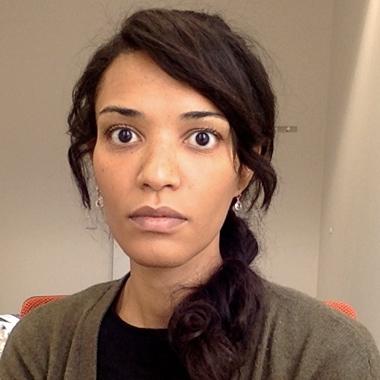
Dr Diana Omigie
Diana.omigie (@gold.ac.uk)
Diana has research interests that revolve around the behaviour, physiology and neurology of music-induced emotions.
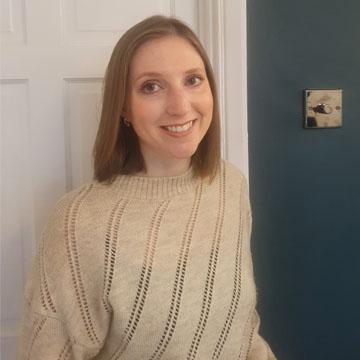
Dr Tegan Penton
Tegan.Penton (@gold.ac.uk)
Tegan is interested in how autistic and non-autistic people perceive and interpret their actions; and in using brain stimulation methods to address this.

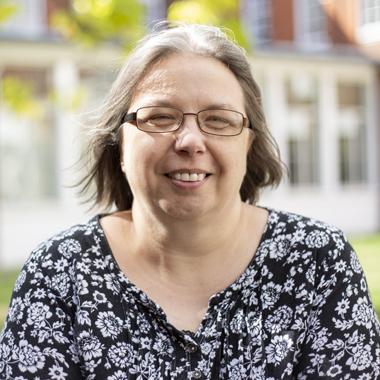
Dr Caroline Rix
c.rix (@gold.ac.uk)
Caroline is a teaching only member of staff, with particular interest in developing approaches to teaching, as well as internet psychology.
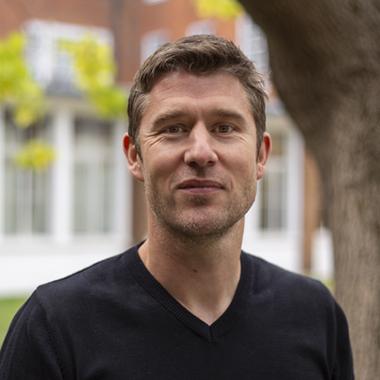
Dr Adrian Scott
a.scott (@gold.ac.uk)
Adrian has interests in forensic psychology, focussing on stalking, investigative interviewing and eyewitness testimony.
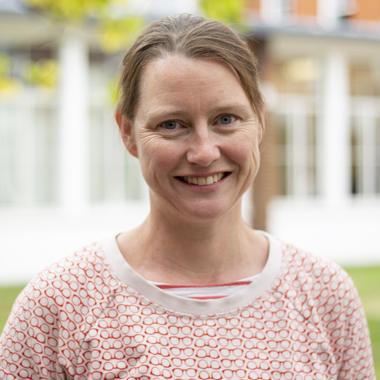
Professor Lauren Stewart
l.stewart (@gold.ac.uk)
Lauren is an expert on how music is represented in the mind and brain.
Dr Teemu Toivainen
t.toivainen (@gold.ac.uk)
Teemu main research interests are individual differences in creative cognition, cognitive abilities and personality.

Professor José van Velzen
j.vanvelzen (@gold.ac.uk)
José’s research focuses on multisensory processing, spatial attention, body representation and sensory processing in the context of motor behaviour.
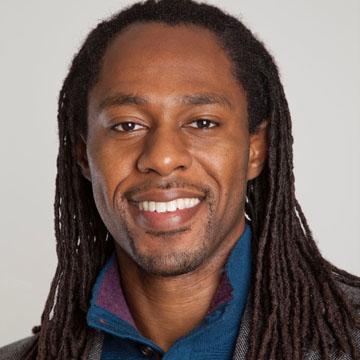
Professor Keon West
keon.west (@gold.ac.uk)
Keon is an expert in intergroup social psychology, investigating how we treat people we see as different from ourselves.
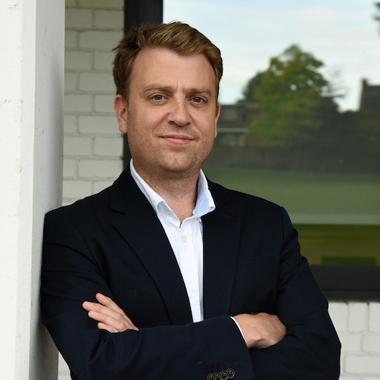
Dr Gordon Wright
g.wright (@gold.ac.uk)
Gordon studies the personality and everyday behaviour of liars, lie detectors and antagonistic individuals
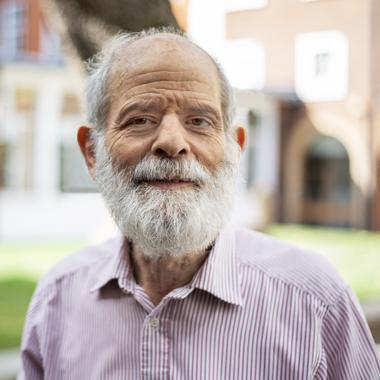
Dr Herb Blumberg
h.blumberg (@gold.ac.uk)
Herb’s main interests are: small groups and social cognition; peace psychology; social issues; social research methods
Professor Clive Fletcher
c.fletcher (@gold.ac.uk)
Clive is concerned with the influence of personality and cognitive factors in self-assessment and self-awareness.
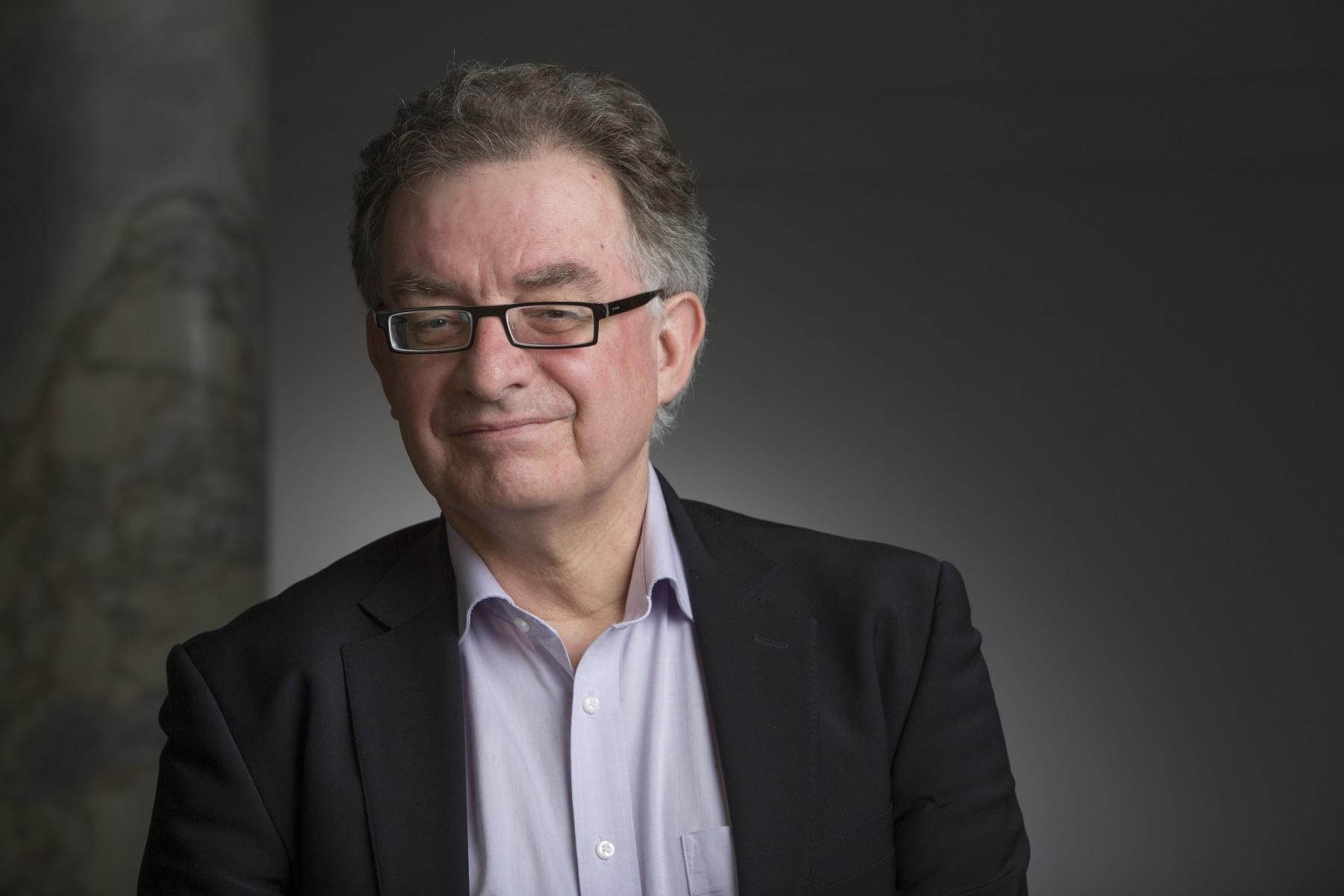
Christopher French
c.french (@gold.ac.uk)
Chris is an expert in the area of anomalistic psychology, focusing upon non- paranormal explanations for ostensibly paranormal experiences.
Professor Pam Heaton
p.heaton (@gold.ac.uk)
Pam’s primary research interest is in developmental disorders, especially autism and its relation to musical cognition.
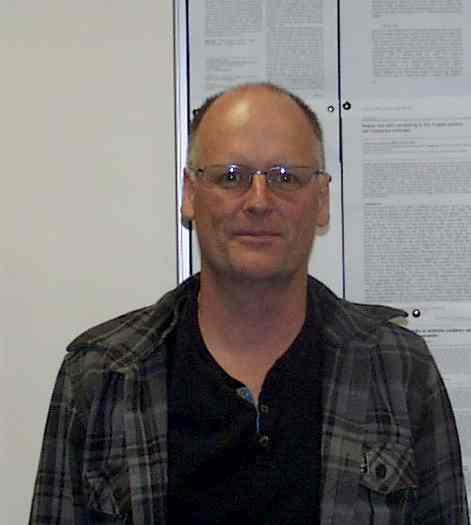
Professor Alan Pickering
a.pickering (@gold.ac.uk)
Alan’s research aims to understand the cognitive functions and behaviours that are affected by rewards.

Professor Linda Pring
l.pring (@gold.ac.uk)
Developmental psychology and neuroscience, including savant syndrome, is central to Linda’s research.
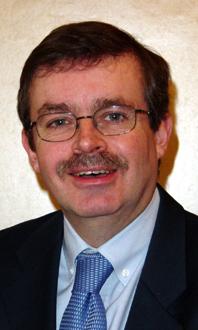
Professor Tim Valentine
t.valentine (@gold.ac.uk)
Tim works to understand our ability to recognise people’s faces, currently focussing on eyewitness identification.
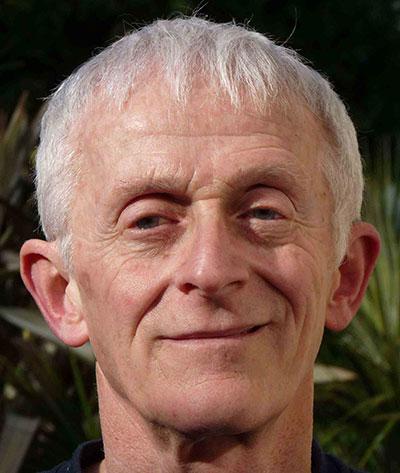
Professor Max Velmans
m.velmans (@gold.ac.uk)
Max’s research is in consciousness studies, particularly integrating philosophy and psychology in clinical practice.

Professor Peter Smith
p.smith (@gold.ac.uk)
Peter is a developmental psychologist, with interests in school bullying, children’s play, and grandparenting.
.jpg)
Hannah Brett
hbret001 (@gold.ac.uk)
Hannah is interested in children's bullying involvement, with a focus on children in foster care, and sibling bullying.
Dr Bence Palfi
b.palfi (@gold.ac.uk)